
If you’re dreaming of hiking the Inca Trail to Machu Picchu, you’re in for a journey filled with jaw-dropping overlooks, ancient ruins, and a deep connection to Peru’s rich history. However, the trek along the Inca Trail is difficult (definitely no walk in the park!), but with the right research and knowledge beforehand, you can be one of 25,000 people that go on this adventure every year.
The Inca Trail is a challenging yet rewarding experience that requires preparation, respect for the altitude, and a bit of grit. Whether you’re a seasoned hiker or a first-timer, this guide will break down what makes the Inca Trail tough, how to prepare, and essential tips to help you conquer it with confidence.
Why Is the Inca Trail So Difficult?
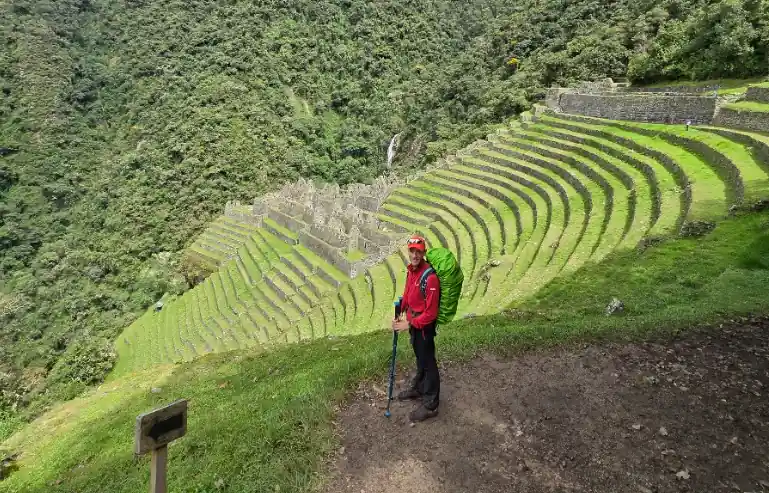
The Inca Trail, one of the best hiking trails in the world, is a 25-mile (40 km) expedition through the Andes Mountains, typically completed over four days and three nights, culminating at the iconic Machu Picchu. It’s not just the distance of the trail that makes it difficult—it’s a combination of rugged terrain, high altitude, and unpredictable weather that tests even the fittest hikers.
Here are a few factors that you’re up against:
Rugged Terrain
The trail begins at Km 82, near the village of Piscacucho. Once you begin the hike, you will move through cloud forests and alpine grasslands, with plenty of steep ascents and descents. You’ll navigate ancient stone steps, narrow paths, and rocky sections, which may be slippery depending on the weather.
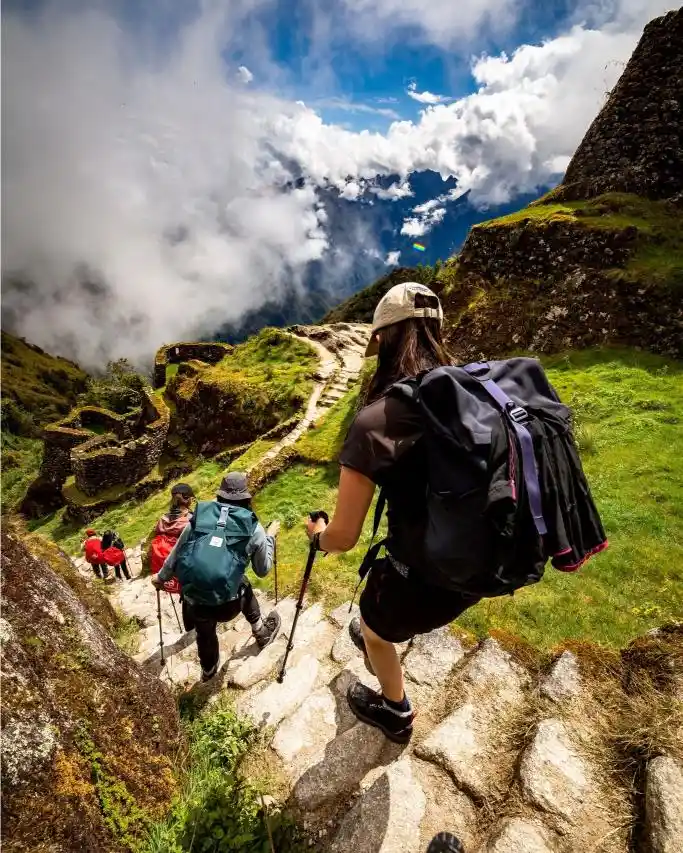
There is also the grueling climb to Dead Woman’s Pass, the highest point at 4,215 meters (13,829 feet). The descent, with 500 meters of elevation drop over just two kilometers, can be brutal on your knees. Trekking poles are a lifesaver here!

High Altitude
The Inca Trail ranges from 2,430 meters (7,970 feet) at Machu Picchu to 4,215 meters at Dead Woman’s Pass. For most travelers, especially those coming from sea level, this altitude is a massive shift. The thinner air means less oxygen, which can leave you feeling breathless, fatigued. Or worse, battling altitude sickness!
Weather Variability
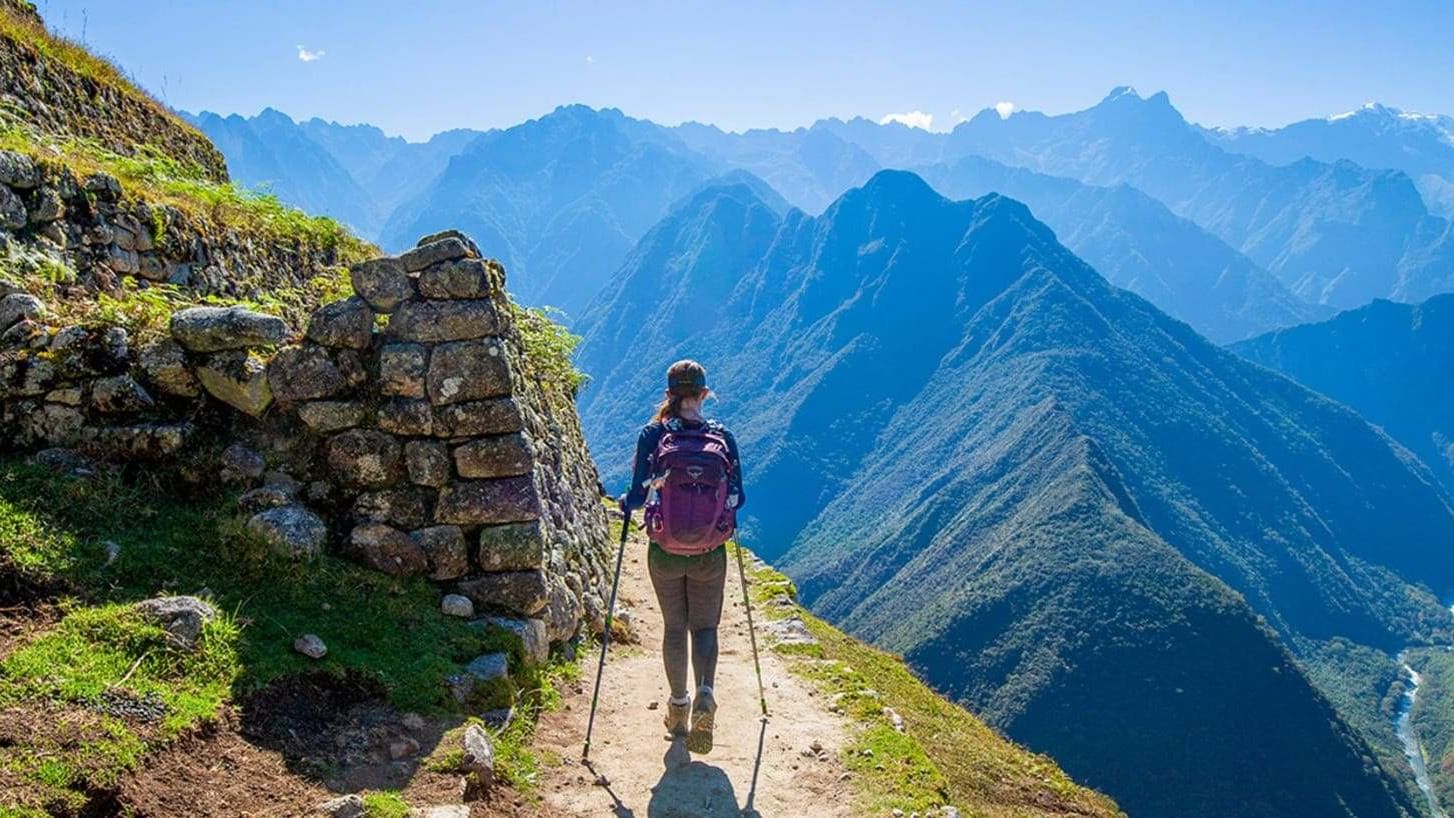
The Andes are known for their unpredictable weather. You might start your day in sunshine, only to face rain, mist, or chilly winds by afternoon. Even in the dry season (May to September), sudden showers can make the trail slippery, so waterproof gear is a must.
Fitness Requirements and Mental Stamina
The journey involves 6–9 hours of hiking daily, with day two being the most demanding due to the steep climb to Dead Woman’s Pass. You’ll need endurance, leg strength, and a positive mindset to push through fatigue and keep going. It’s not a race, but it does demand mental toughness.
Despite these challenges, the Inca Trail is achievable for most moderately fit hikers with proper preparation. The reward? Stunning views, a sense of accomplishment, and arriving at Machu Picchu through the Sun Gate at sunrise—a moment you’ll never forget.
Understanding Altitude and Altitude Sickness
Altitude is the Inca Trail’s biggest wildcard. Cusco, the starting point for most treks, sits at 3,399 meters (11,152 feet), already high enough to cause discomfort for newcomers. The trail itself climbs to 4,215 meters, where oxygen levels are significantly lower, making your heart and lungs work harder.
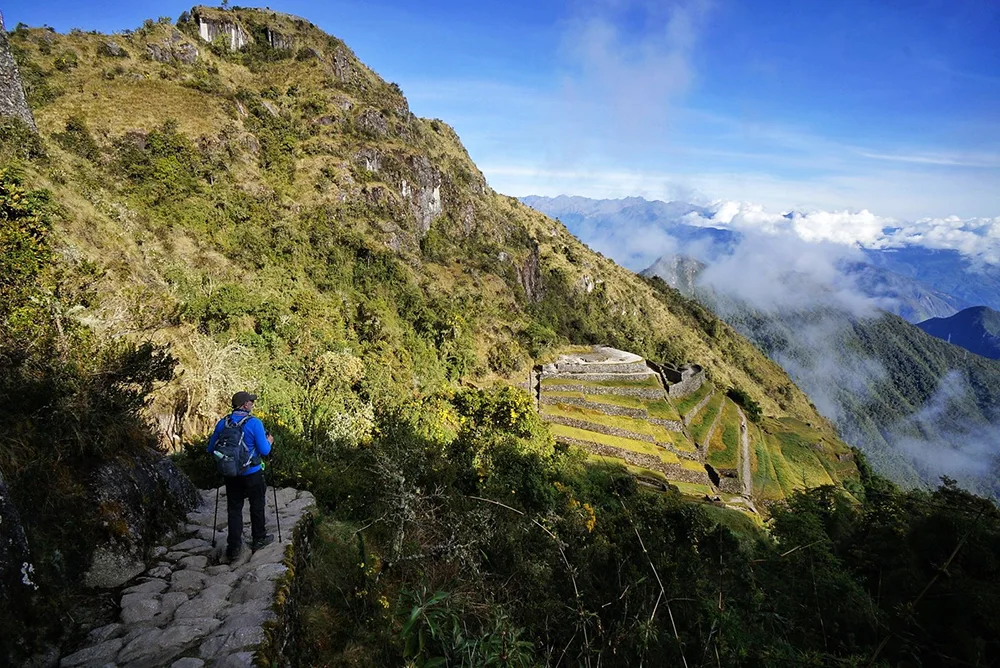
Altitude sickness, or soroche, affects about 25% of people above 2,500 meters and up to 75% above 4,500 meters. Luckily, the Inca Trail’s highest points are briefly visited, reducing severe risks for many hopeful hikers.
Symptoms of Altitude Sickness
- Headache
- Nausea or vomiting
- Dizziness or lightheadedness
- Fatigue, even at rest
- Shortness of breath
- Trouble sleeping
In rare cases, severe altitude sickness can lead to dangerous conditions like High Altitude Cerebral Edema (HACE) or Pulmonary Edema (HAPE), but these are uncommon on the Inca Trail if you take precautions.
How to Prepare for the Inca Trail?
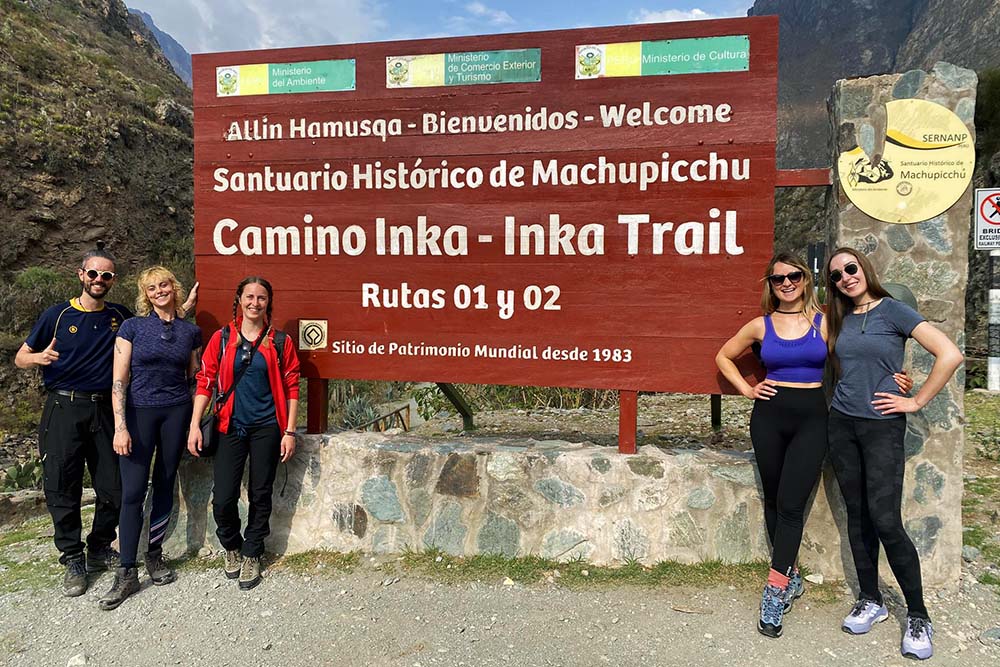
Preparation is key to enjoying the Inca Trail and minimizing risks like altitude sickness. Here’s how to get ready:
Physical Training
Start training at least 2–3 months before your journey. Focus on cardiovascular endurance with activities like hiking, running, or cycling. If you can, you should incorporate incline walks or stair climbing to mimic the trail’s steep ascents and descents. Aim for 1–2 hour daily walks, ideally with a loaded backpack to build strength. If possible, try to train at elevation or use an altitude chamber to simulate conditions.
Acclimatization
Spend at least 2–3 days in Cusco or the Sacred Valley (around 2,871–3,400 meters) before starting the trek. This gives your body time to adjust to the altitude. It’s recommended that you stay in the Sacred Valley, which is lower than Cusco, for a gentler introduction. Take it easy during this time. You should avoid strenuous activity, alcohol, and smoking.
Nutrition and Hydration
Eat a balanced diet rich in carbohydrates (pasta, rice, potatoes) and vegetables in the days leading up to your hike for energy and lightness. On the trail, stay hydrated by drinking 3–4 liters of water daily, even if you’re not thirsty. Dehydration worsens altitude sickness, so keep that water bottle handy!
Gear Up

Packing the smart way is going to help you have a successful hike through the mountains. Be sure to check out our comprehensive Inca Trail packing list, which covers all the must-haves like sturdy hiking boots, weather-appropriate clothing, and a reliable backpack. In a nutshell, here are the most important things you will need:
- You should invest in comfortable, broken-in hiking shoes with a good grip.
- Pack lightweight, moisture-wicking clothing, a rain jacket, and warm layers for chilly nights.
- Trekking poles are helpful for stability and reducing knee strain.
- A small daypack for your necessities is ideal, as porters can carry heavier loads if you book with a reputable operator.
Mental Preparation
The Inca Trail is as much a mental challenge as a physical one. Take your time, and embrace the slow pace, enjoy the scenery, and trust that you’ll get through tough moments. A positive attitude goes a long way.
Dealing with Altitude Sickness
If altitude sickness strikes, don’t panic—it’s usually temporary and manageable. Here’s how to handle it:
- Rest and Hydrate: If you feel symptoms, stop, rest, and drink water. Avoid pushing through, as this can worsen your condition.
- Descend if Necessary: The best remedy is to descend to a lower altitude. Most itineraries are designed to “trek high, sleep low,” which helps.
- Medications: Consult your doctor about medications like Diamox (acetazolamide), which can help prevent or alleviate symptoms. Start taking it 24–48 hours before ascending and continue for a few days. Carry ginger chews, peppermint, or vitamin B6 for nausea relief.
- Coca Leaves: Locals swear by coca tea or chewing coca leaves to ease fatigue and improve breathing. While not scientifically proven to prevent altitude sickness, many find it helpful. Just don’t expect a coffee-like buzz—it’s milder
- Oxygen Support: Reputable tour operators often carry oxygen tanks for emergencies.
Tips and Things Travelers Should Know
- Book Early: The Inca Trail is limited to 500 permits daily, including porters, and spots fill up fast. Book 6–12 months in advance to secure your place.
- Choose a Reputable Operator: A good tour operator provides safety with trained guides, proper equipment, and well-planned itineraries. Check their credentials and reviews for peace of mind.
- Pack Light: Porters can carry up to 7–8 kg of your gear, but keep your daypack light with just water, snacks, and other essentials.
- Pace Yourself: The trail isn’t a race. Walk slowly, take breaks, and listen to your body. Your guide will set a manageable pace.
- Respect the Trail: Stick to the path, follow your guide’s instructions, and leave no trace. The Inca Trail is a UNESCO World Heritage site, so treat it with care.
- Learn Basic Spanish: A few phrases can make your experience better, especially when interacting with porters or locals.
- Expect Basic Facilities: Campsites have basic toilets, and there’s no Wi-Fi. Be ready to be completed disconnected from the rest of the world.
Final Thoughts
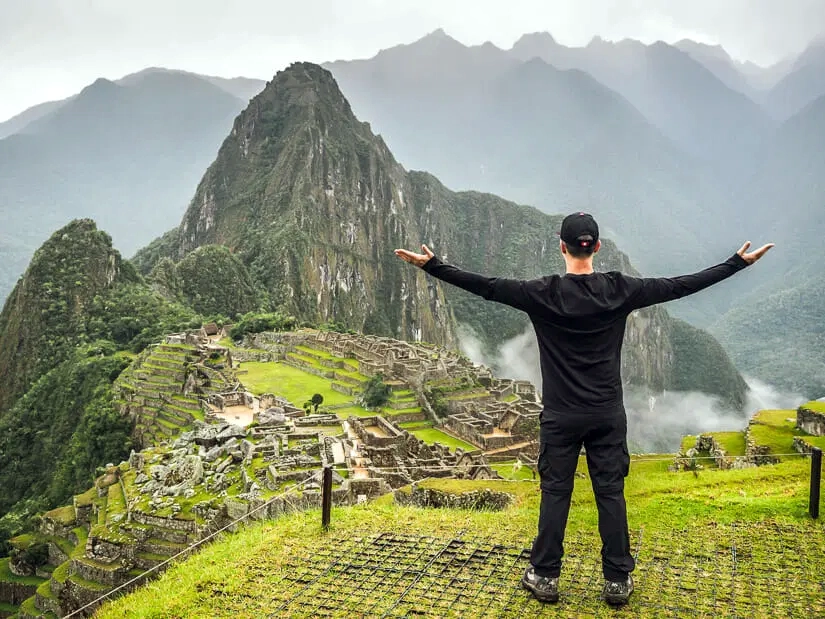
Coursing through the Inca Trail is difficult but a bucket-list adventure nonetheless. This trip combines a physical challenge with an incredible opportunity to see archaeological sites that are thousands of years old, as well as being off-grid in the mountains. But yes, it’s tough—the altitude, steep climbs, and unpredictable weather demand respect.
With proper preparation, acclimatization, and a good tour operator, it’s within reach for most adventurers. At GoTreks Peru, we’re passionate about making your Inca Trail experience in Peru unforgettable, with expert guides, tailored itineraries, and top-notch support.
So, lace up your boots, take it one step at a time, and get ready to stand at the Sun Gate, gazing at Machu Picchu. We look forward to hiking with you!


