
Hiking in Cusco (11,155 ft / 3,400 m) means stepping into a place where history and epic landscapes collide but let’s cut to the chase; the Andean altitude can hit visitors hard with altitude sickness an unwelcome sidekick for many travelers. But there’s something quietly humbling about standing on a ridge above the clouds, your lungs chasing oxygen, your heart thumping like a drum echoing through ancient valleys. High altitude trekking is not just a physical test—it’s a journey of patience, presence, and profound connection with nature.
Discover everything you need to know about how to prepare for high altitude trekking—from training tips and acclimatization to essential gear and nutrition strategies for the Andes and beyond, in this travel guide we’ll break down how to tackle this challenge head-on so you’re ready to explore the imperial city and Machu Picchu without missing a beat.
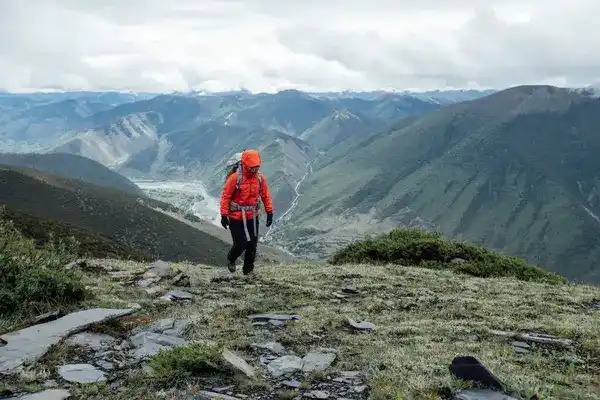
How to handle altitude sickness in Cusco?
Altitude sickness—also known as Acute Mountain Sickness (AMS)—is your body’s way of saying, “Hey, slow down, I’m adjusting.” It can happen to anyone, even if you’re in great shape. In fact, fitness has very little to do with it. It all comes down to how your individual system reacts to the altitude.
Don’t sweat it! With these tips and proper prep your trip to the “Ombligo del Mundo” will be smooth sailing letting you soak up the culture and history around you. Let’s dive in!
Altitude of Cusco and Machu Picchu
Cusco and Machu Picchu are places that test your altitude adaptability. Cusco, at 3,400 m (11,155 ft), is one of the highest permanently inhabited cities on the planet. And Machu Picchu, at 2,430 m (7,972 ft), is at a lower altitude, but it’s still no walk in the park. The altitude here is less intense, so preparing for hikes like the short inca trail 2 days is essential. These routes require good physical condition and proper acclimatization.
What does “High altitude” Really mean?
When people talk about high altitude, they’re referring to elevations typically above 2,500 meters (8,200 feet). At this height, the air is thinner—meaning there’s less oxygen in every breath. Your body has to work harder to do everything it normally does. Even walking up a short flight of stairs can feel like a workout. The higher you go, the more noticeable the effects.
In Cusco, for example, you’re stepping right into the high-altitude zone the moment you land. The city sits at 3,400 meters (11,155 feet) above sea level, which is higher than most mountain towns in Europe or North America. To put that into perspective, that’s nearly twice the elevation of Denver, Colorado.
At this level, many people begin to feel what’s commonly known as altitude sickness—a condition your body experiences when it struggles to adapt to lower oxygen levels. But don’t worry, it’s common and manageable. Understanding it is the first step to dealing with it like a pro.
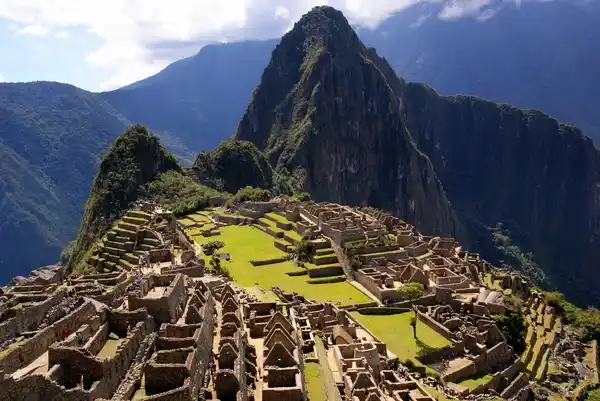
Symptoms to watch for altitude sickness
Most people start noticing symptoms within the first 6 to 24 hours of arrival in Cusco. These can include:
- A persistent headache that doesn’t go away with water or rest
- Nausea, sometimes accompanied by a loss of appetite
- Shortness of breath, even with mild activity
- Fatigue or a sense of extreme tiredness
- Dizziness or light-headedness
- Insomnia or disturbed sleep
It’s worth noting that these symptoms range from mild to moderate and often go away on their own after a day or two. However, ignoring them or trying to push through too fast can make things worse.
What you can do about altitude sickness
- Take It Easy the First 48 Hours
The biggest mistake many travelers make is trying to explore Cusco like they’re at sea level. Don’t. Use your first day or two to relax, walk slowly, and let your body do the hard work of acclimatizing. - Stay Well Hydrated
Drink more water than usual. At altitude, the air is drier and you lose fluids more quickly—often without realizing it. Proper hydration helps your blood flow more efficiently and supports oxygen delivery to your muscles and brain. Avoid alcohol and caffeine in the first 24–48 hours, as they can dehydrate you or disrupt your sleep, both of which make symptoms worse. - Eat Light, Easy-to-Digest Foods
Heavy meals take longer to digest and can leave you feeling sluggish or bloated at altitude. Go for simple, carbohydrate-rich foods like soups, rice, bread, and fruits. These are easier on your stomach and give your body fuel to adjust. - Consider Coca Tea or Leaves
Locals in the Andes have used coca leaves for generations. You can drink it as tea (often served in hotels) or chew a few leaves during the day. It can help reduce headaches and nausea—but take it in moderation, and always be respectful of its cultural roots. - Use Medication if needed
Some travelers find relief using acetazolamide (commonly known as Diamox), a medication that helps your body adjust to high elevations. You’ll need a prescription, so talk to your doctor before your trip. Over-the-counter options like ibuprofen or acetaminophen can help ease headaches, but won’t treat the root cause—so pair them with rest and hydration. - Know When to Seek Help
If your symptoms get worse, or if you experience confusion, vomiting, or difficulty walking, don’t wait it out. These are signs of severe altitude sickness, and the safest move is to descend to a lower elevation immediately. Cusco has clinics that specialize in treating altitude-related issues—don’t hesitate to use them. - Oxygen support
Some hotels in Cusco offer oxygen tanks or even oxygen-enriched rooms. If you’re struggling, a few minutes of oxygen therapy can provide temporary relief. This shouldn’t replace proper acclimatization, but it can help ease symptoms.
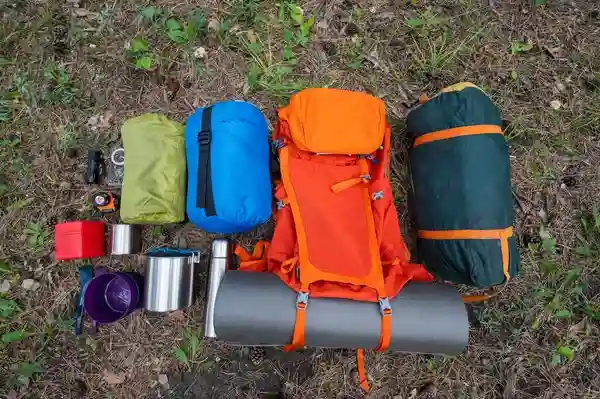
Complete guide about how to prepare for high altitude trekking
How to prepare for high altitude hikking
Forget everything you know about hiking at sea level. The rules change the moment you step above 2,500 meters. Thin air doesn’t just affect your breathing—it affects your pace, digestion, sleep, and even your mood. And if you’re taking on the Inca Trail to Machu Picchu 4 days, you’ll be pushing your limits across a range of altitudes that demand preparation, patience, and respect for the mountain.
Start your training at least 6 to 8 weeks before your trip. The goal isn’t to become an athlete—it’s to help your body handle physical effort with less oxygen.
- Focus on long hikes with elevation gain, ideally carrying the backpack you’ll use on your trip.
- Add in stair climbing, lunges, and hill intervals to mimic the demands of steep trails.
- Cross-train with cycling, swimming, or running, but make it consistent. The mountains reward discipline, not last-minute effort.
If you live at low elevation, simulate trail conditions with incline treadmills and resistance training. Altitude can’t be faked—but stamina can be built.
Best tip: Break in your gear
Brand new boots and blistered heels are a terrible match at 4,000 meters. Wear your hiking shoes on local trails, around the house, anywhere really—until they feel like an extension of your body.
16 Tips to physically prepare for high altitude Cusco trekking
If you’re looking for the best trekking tours in Cusco, you should be prepared for the altitude changes, especially if it’s your first time. Don’t worry! We’ve prepared a complete list of all the tips you should take into account before your trip to Cusco. So, if you’re wondering how to prepare for high-altitude trekking, here we’ll tell you the best information for your incredible trip.
1. Stay Hydrated
Chugging water is key—it helps your body adjust and fights off altitude symptoms. Skip booze and coffee though; they’ll dry you out faster than a desert wind.
2. Rest Up
Take it easy during your first few days. Yeah, you’ll wanna hit the ground running, but giving your body time to chill is a game-changer for acclimatization.
3. Eat Light
Stick to simple carb-heavy meals. Heavy grub can mess with your stomach while your body’s adapting to the thin air.
4. Medication Check
Chat with your doc before the trip about altitude sickness meds like acetazolamide. Better safe than sorry.
Pace Yourself
Don’t go all out on day one. Listen to your body and ramp up activity slowly—no heroics needed.
5. Supplemental Oxygen
Many Cusco hotels have oxygen tanks on hand. If you’re feeling rough, don’t hesitate to use ’em. If symptoms get bad or stick around, seek a clinic ASAP. Cusco has spots specializing in soroche (altitude sickness). Some travelers ease into high-altitude adventures by first exploring lower regions. A trip like the Manu National Park 8 days is a great way to experience Peru’s natural beauty while giving your body more time to adjust before heading into the mountains.
7. Try Coca Leaves
Locals swear by coca leaves for altitude relief. Chew them or sip coca tea—just keep it moderate and respect local customs.
8. Physical Training Strategies for Inca Trail Preparation
Key tips to get your body ready for the Inca Trail (13,828 ft / 4,215 m). Being physically prepared is non-negotiable for tackling the Inca Trail. The route is no walk in the park with steep ascents and carrying your gear. Below is a detailed training plan to help you hit the trail confidently.
9. Short-distance hiking
Start training at least two months before your trip. Gradually ramp up mileage and elevation as your departure date nears. Include hill workouts since the trail has relentless uphill sections. If you live near mountains scope out routes with slopes to mimic trail conditions. No hills nearby? Go for longer flat walks to build stamina. By week 6 aim for regular 3–4 hour hikes to get your legs trail-ready.
10. Aerobic Fitness Development
Aerobic capacity is make-or-break for completing the 26-mile Inca Trail spread over four days. Activities like running cycling or swimming that keep your heart pumping for 30+ minutes are gold. Mix these into your routine 3–4 times weekly. Consistency here ensures you won’t gas out halfway through those high-altitude stretches.
11. Muscle Strength Building
Leg day matters. Focus on squats lunges and resistance bands to target key muscles used on uneven terrain. Upper body work like push-ups or pull-ups helps manage backpack weight. Don’t skip core exercises either—they’re clutch for balance on rocky paths. Stick to a routine and you’ll be crushing those inclines in no time.
12. Cardiovascular Endurance Training
Thin air at altitude hits different. Boost your heart’s efficiency with cardio sessions that mimic trail demands. Start with moderate runs or bike rides then crank up intensity and duration weekly. Pro tip: If training at low elevation add stair-climbing or treadmill inclines to simulate the trail’s lung-busting sections.
13. Resistance and Weight Training
Resistance workouts prep your body for sustained uphill efforts. Bodyweight exercises like step-ups or weighted lunges build functional strength. For weights focus on deadlifts and leg presses. This combo not only helps on the trail but also makes daily tasks a breeze—talk about a win-win.
14. CrossFit for Functional Fitness
CrossFit’s high-intensity intervals are killer for building trail-specific endurance and power. Think burpees box jumps and rowing sprints followed by short recovery periods. This style torches fat boosts stamina and gets you mentally tough for the trail’s unpredictable challenges.
15. Selecting Proper Hiking Gear
Gear choices can make or break your hike. For day trips opt for moisture-wicking layers and broken-in boots with ankle support. Multi day treks demand a lightweight backpack (under 50L) a weatherproof tent and a sleeping bag rated for freezing temps. Always check trail conditions—pack smart with essentials like a headlamp blister kits and a portable water filter.
16. Key Considerations
Altitude affects everyone differently so factor in rest days during your hike. Test gear thoroughly before departure to avoid surprises. Remember fitness levels vary—tailor your training to your baseline and progress steadily. The trail’s mix of stone steps and uneven paths requires both physical grit and mental resilience. Plan wisely and you’ll handle whatever the Andes throw your way.
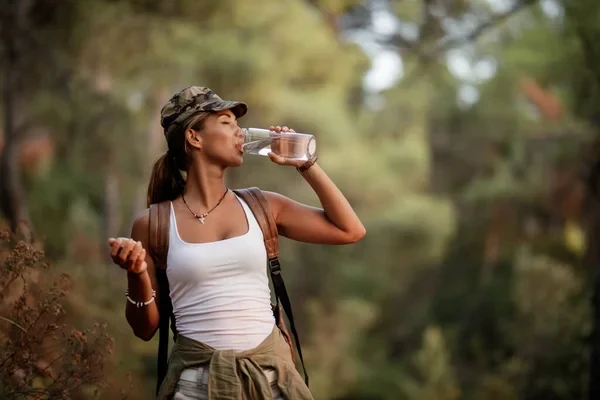
How to prepare for high altitude trekking: Food for high altitude trekking
You should know that at altitude, your body works hard, even when you’re standing still. That means eating right is as important as the trail you’re treading. But you still have time to consider our recommendations. If you’re thinking about traveling and hiking the best Inca Trail of your life, this is where you should start.
- Eat to climb, Not just to fill: Prioritize complex carbs: rice, quinoa, oats, pasta, potatoes. These are your slow-burning fuels.
- Include light proteins: boiled eggs, cheese, lentils, tuna.
- Snack frequently: dried fruit, nuts, granola bars, or even good old peanut butter on crackers.
- Stay away from heavy, greasy meals. Your digestion slows down at altitude—and the last thing you want is stomach issues on the trail.
The power of local wisdom in Cusco
Coca leaves are more than tradition—they’re trusted by generations. Sip coca tea or chew a few leaves in the morning. It’s not a miracle cure, but it can help ease headaches, fatigue, and that dull mental fog.
Bring electrolyte tablets to mix into your water. They keep your salts balanced and your energy steady when you’re too tired to chew.
Factors to consider when selecting hiking gear
- Terrain type (add altitude in feet/meters only if locations were specified). For rough uneven trails prioritize footwear with solid grip and ankle support. In hot weather opt for lightweight breathable fabrics that don’t trap heat.
- Hiking distance. Day hikes require less food and water compared to multi-day backpacking trips where you’ll need to pack enough grub and hydration to last.
- Weather conditions. Always check the forecast before heading out. If rain or cold temps are expected throw in waterproof layers and extra insulation. Don’t get caught off guard by sudden weather shifts—pack gear that covers the basics.
Breaking in hiking boots
New Trekking Shoes can be a pain if you don’t break them in properly.
This list is how to avoid blisters and discomfort:
- Wear them indoors. Start by lounging around the house for a few days to get a feel for the fit. This helps spot pressure points before hitting the trails.
- Take short walks. Once comfy at home test them on local paths or sidewalks. Pay attention to how they handle different surfaces—rocks gravel or pavement.
- Tackle easy trails. After a week of wear try short low-intensity hikes. See how the boots perform on inclines declines and uneven ground.
- Give it time. Breaking in stiff boots isn’t a walk in the park but sticking with it pays off. A well-fitted pair reduces fatigue and keeps your feet happy during long treks.
Using trekking poles effectively
- Trekking poles can really boost your stability, especially when you’re navigating slippery or rocky paths. To get the most out of them, here’s what you should do:
- Grip the poles with the tips facing downwards. As you walk, plant them ahead of you, making sure the tip hits the ground first.
- Engage your arms and shoulders—not just your wrists—to give yourself a good push-off. Keep your elbows tucked in close to your body for better control.
- When you’re tackling steep climbs, shorten your stride and plant the poles more frequently to gain leverage. And when you’re heading downhill, relax your grip and let gravity do its thing—just be careful not to lean back too much.
- It might take a bit of practice to master these techniques, but once you do, those poles can really transform your balance and help reduce strain on your knees.
Altitude acclimatization tips
- Getting used to high altitudes is crucial for treks like Salkantay treks, where the highest point reaches 4,215 m (13,828 ft).
- If you rush this process, you could increase your chances of altitude sickness. Here’s how to acclimatize safely:
- Give yourself enough time. Most people need about 2-3 days at moderate elevations (2,500-3,000 m or 8,200-9,800 ft) before heading higher. If you push too hard, you might find yourself feeling unwell before the real adventure even starts.
- Climb high, sleep low. Spend your days hiking to higher elevations, but make sure to return to lower ground to sleep.
- Stay hydrated. Drinking plenty of fluids helps thin your blood, which improves oxygen flow at high altitudes.
- Remember, altitude affects everyone differently—there’s no universal timeline. Pay attention to your body and be ready to adjust your plans if you start feeling dizzy or nauseous. It might seem like a hassle to prepare properly, but it’s totally worth it to soak in those stunning views without feeling exhausted.

Why you should arrive early in Cusco?
Cusco the starting point for the Inca Trail sits at 3,400 m (11,152 ft) nearly double Denver’s elevation. Arriving 2-3 days early isn’t just a suggestion—it’s a must for your body to start producing extra red blood cells. Altitude sickness doesn’t discriminate.
Symptoms like headaches insomnia or loss of appetite can hit even fit travelers. If you feel off take it easy—no heroics. Hydrate like it’s your job and consider delaying your trek by a day if needed. Local remedies like coca tea might help but they’re no magic bullet.
Weather here throws curveballs. Mornings can be chilly (around 5°C/41°F) while midday sun feels intense due to thinner air. Pack layers you can shed or add quickly. Acclimatization isn’t a perfect science—some folks adjust fast others need extra time. Don’t compare your pace to others; focus on what your body tells you before you hit the trail.
Now you know how to prepare for high altitude trekking
Now that you know how to protect yourself at high altitudes and prevent altitude sickness, you’re no longer just planning a hike, but preparing for a unique adventure in Peru that begins long before you even lace up your boots. Let your breathing find its natural rhythm, let your steps resonate with the tranquility of the peaks, and have faith that you’re more prepared than you think. With this preparation, we’re sure the altitude change won’t affect you, and you’ll be able to enjoy a wonderful trekking tour in Cusco.


