
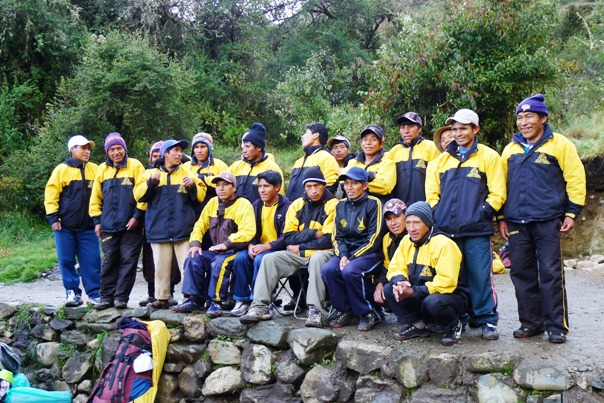
Our porters stand for the Peruvian people. Both men and women. They form the core of our company. Without their hard work, we couldn’t offer the experience we do. The team includes men and women of various ages. They leave their homes, sometimes hours away, for days at a time. Most work as farmers too.
Being a porter means tough labor. Sadly, other companies have porters in sandals falling apart.
Many sleep right on the ground without blankets. Eat without utensils. To us, treating our Peruvians this way isn’t right at all! So we push to lead in how we handle all our porters.
We work hard to show them respect. Give fair pay and proper gear. Care about their health, and their families’ too. Commit to social projects that improve their lives. Most of our staff began as porters, you know.
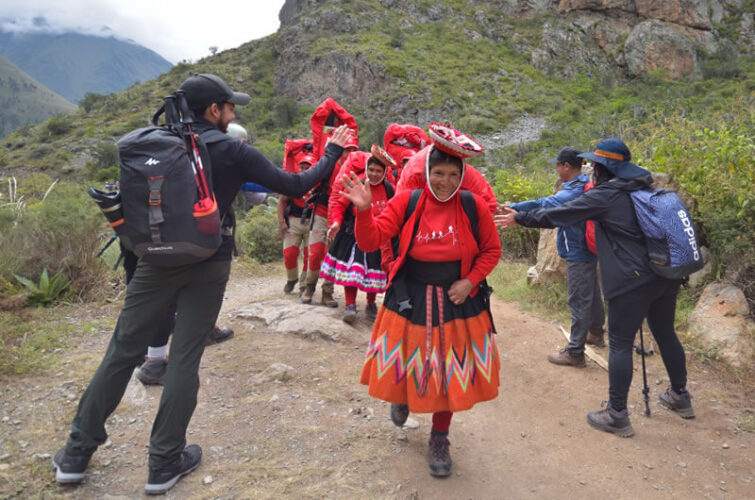
We’ve welcomed Cusco women. Lucky to have female porters now. They bring even bigger smiles and more lively spirits.
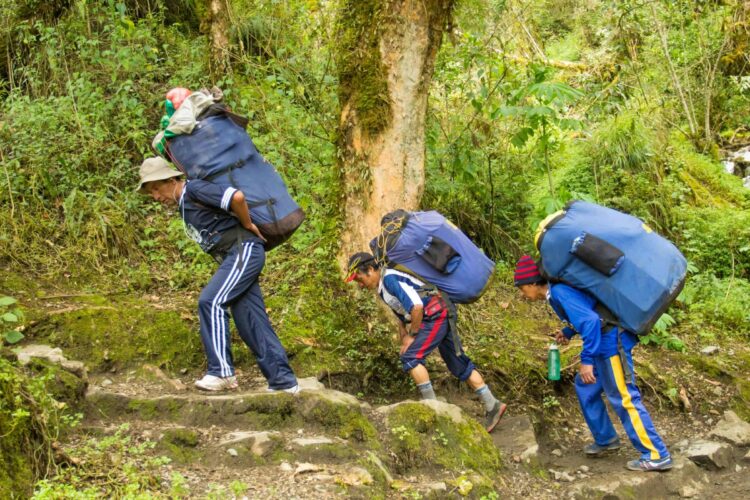
Before doing the Classic Inca Trail to Machu Picchu, you might have heard about porters. These workers play a vital role in your trip. They carry heavy items on their backs for your journey. That covers tents, cooking tools, food supplies, tables, benches, dishes, and gas cylinders. And dining tents, kitchen tents, and sleeping tents. All needed so you can fully enjoy your Machu Picchu trip.
The Art of Cooking on the Inca Trail
Among porters, one stands out with enough energy to make great meals midway. Using basic tools in rough conditions. This cook makes sure you keep high energy throughout the whole expedition. I wonder sometimes how they manage it all without more help.
Who Are the Porters of the Inca Trail?
Porters are people who use their own physical strength to carry heavy gear for tourists and tour agencies, like camping tents, kitchen utensils, supplies, backpacks, and more. They also handle all the setup for camps so everyone can use them.
They come from high areas near the Inca sites. Speak Quechua and Spanish. Know a lot about the place and its past. Their job is the most demanding on the Inca Trail. It draws admiration from tourists. Compared to what the chasquis did—Inca messengers running long distances to deliver messages or items. Moving fast along the Inca road network.
It’s essential to understand how important their work is. And their situation, which needs legal protection. No doubt about that—exploitation happens too often!
Responsible Hiking
Compared to many tourism workers worldwide, Inca Trail porters have it fairly good. But that doesn’t mean they’re safe from being taken advantage of.
Some companies cut costs by making porters pay for lost jackets or damaged tents. Even if it’s just normal wear, they end up earning less than the legal minimum! Our porters always get 20 to 30 percent above the minimum. Their gear gets supplied and replaced free when needed.
There are checkpoints to weigh bags along the trail. Check permits, too. Rules are strict. The head porter weighs each bag every morning before the group leaves. To make sure no one carries too much.
Porters shouldn’t load more than 20-25 kg. So little room for extras. Besides tents, inflatable mattresses, and sleeping bags. They carry separate tents for cooking and eating. Plus all food, plates, and kitchen tools for four days. Hot meals with two courses are common for lunch and dinner.
Since no facilities along the Inca Trail. And environmental protection matters. One porter handles the chemical toilet. It gets heavier each day. “All our groups tip the porters at the end.”
Empowering Female Porters
It’s not usual to see women porters on the Inca Trail. Mostly because of cultural traditions in Peru. But we think everyone should get work chances, no matter their gender. Proud to have men and women in our team. Female porters, cooks, and tour guides. Actually, about 70% of our office staff are women. Makes a real difference, I think. Or does it? Well, it seems to help communities.
Responsible Hiking
Compared to lots of workers in the global tourism field. Porters on the Inca Trail are doing okay. But that doesn’t mean they’re safe from being taken advantage of.
Some companies try to cut expenses by making their porters pay for stuff like lost jackets or even damaged tents. Those could just come from regular use. So they end up earning less than the legal minimum. Our porters always get paid 20 to 30 percent more than the minimum. And their gear gets provided and replaced when needed, no charge.
There are checkpoints to weigh the bags along the trail and check permits. The rules are strict. So the main porter will carefully weigh each bag every morning before the group leaves. To make sure no one carries more than allowed.
Porters aren’t supposed to load more than 20-25 kg. So there’s not much room for extras. Besides tents, inflatable mattresses, and sleeping bags. They carry separate tents for cooking and eating. Plus all the food, plates, and kitchen tools needed for four days on the route. Hot meals with two courses are usual for lunch and dinner.
Also, since there’s no setup along the Inca Trail. And protecting the environment matters a lot. One porter handles the chemical toilet. Which gets heavier each day. All our groups tip the porters at the end.
Empowering Female Porters
It’s not usual to see women porters on the Inca Trail. Mostly because of the cultural ways in Peru. But we think everyone should get a chance to work. No matter the gender. We’re proud to have both men and women on our team. Porters, cooks, and tour guides. Actually, about 70% of our office staff are women.
I wonder if that’s enough, though. Sometimes it feels like more could be done. But hey, it’s a start. And the impact? Huge on families. Wait, is that accurate? Yeah, from what I’ve heard.
Where Do the Porters Come From?
Our porters come from high Andean areas near Cusco city. They speak Quechua and Spanish. With a real understanding of the spot and its past. Their job is the toughest and most demanding on the Inca Trail. It draws respect from people who go there. Their role is like the old chasquis. Those Inca messengers who covered long paths in the road system to carry news or items.
Load Limit for Porters
We make sure each of our porters carries at most 15 kilos of company stuff and 5 kilos of their own things. This keeps our workers from getting overloaded. And let’s them do their tasks safely.
Caring for Our Porters
We care a lot about how our porters are doing. That’s why we give them health insurance at no cost. Polar jackets and waterproof ones. Trekking boots, t-shirts, sun hats, warm caps, water bottles, sleeping bags, floor mats that insulate, backpacks right for carrying gear. And comfortable back supports to guard their backs. We always put their health and safety first in every trip.
Our Commitment to Law No. 31624 on Porter Workers
We’re fully committed to following Law No. 31624 strictly. It sets rules for porters’ work conditions in the Inca Roads Network. Here’s how our company matches this law.
Formal Work Relationship: All our porters are hired formally under the private work system. This gives them full protection and rights that the law recognizes.
Meeting Minimum Age and Load Limits: We follow the rule that sets the minimum age at 18 years for porters. Plus, we stick closely to the allowed load limits. 20 kg for men and 15 kg for women. This way, we ensure safety and health at work.
When to Decide on a Personal Porter?
As said before, porters count in the max limit of 500 people per day for the trek. Since spots fill up fast. We suggest picking porters when you make your online booking. If you want to add a personal porter later, after booking. There has to be space left.
But, if you’re lucky, sometimes you can take over a group porter from another hiker who canceled their trip. Because our agency would free up the porter assigned to that person.
Finally, remember that since porters get booked, assigned, and paid right after your reservation. You can’t cancel them afterward.
Work Days and Proper Rest: We ensure our porters’ work week doesn’t go over 48 hours. Following the set rest periods of 5 days between work times. This approach guards the physical and mental well-being of our team members.
Supervised Work Conditions: We supply our porters with everything needed for safe performance. Including nutritious food, the right clothing, and lumbar supports. And full gear for overnight stays in safe and comfortable setups.
Proper Gear for Our Porters
Each porter gets the right gear. This covers long and short sleeve shirts that wick moisture, and comfortable pants. A waterproof and warm jacket, mountain boots, a warm hat, a sun hat, weight belts, and a headlamp. Our female porters get skirts and dresses. To make sure they feel at ease while walking without breaking their cultural ways. We provide this free to all our porters.
Even though the government lets each porter carry up to 25 kg. We keep our limit at 20 kg. Each porter will take up to 15 kg from the company and 5 kg of their belongings.
That’s why it’s so crucial to keep your backpack light and not go over our allowed limit of 7 kg. You’ll see other companies carrying more than permitted. We won’t let our porters handle that load! No way, it’s unfair.
Nutritious Meals for Our Porters
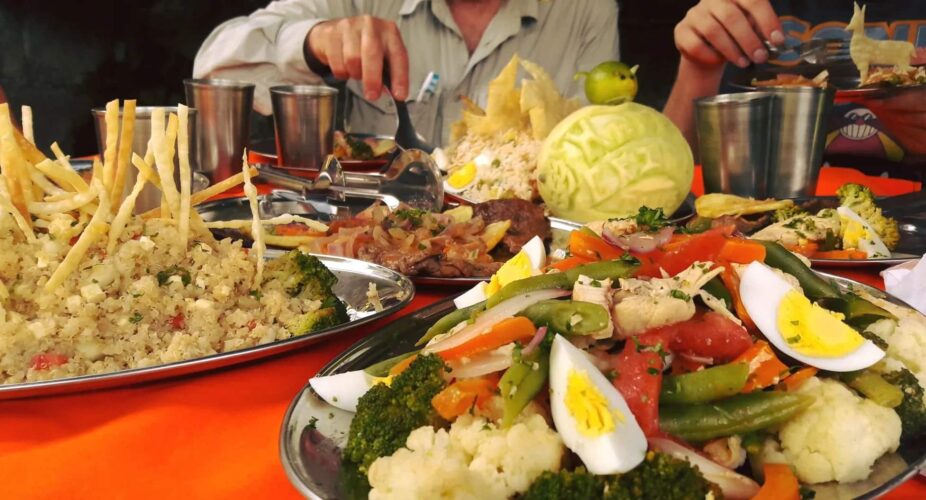
A common remark from hikers on our tours is that we serve too much food. Well, our porters eat the same as our clients. They can have it however they like. In the dining tent or apart. Enjoying some quiet and a moment of break moment. Each one gets a water bottle to stay hydrated. And plenty of coca mate, their top choice.
I mean, think about it. Carrying all that day after day. It hits hard sometimes. But the food helps, right? Or does it? From stories I’ve heard, yeah, it does. Keeps energy up.
Transparent Pay to our Porters
We make sure all our porters get paid fairly. And it matches Law No. 31624.
Male Porters: Each male porter gets at least S/138 per day of work. For a 4-day trip. A male porter earns a total of S/552 soles. Male porters carry up to 20 kg of gear.
Female Porters: Female porters get the same minimum of S/138 per daily shift. In a 4-day trip. A female porter makes S/552 soles overall. Female porters carry a max of 15 kg of equipment. To follow the load rules for their protection.
Cooks: Porters who act as cooks get 30% extra on top of the base pay. So a cook earns S/179.40 per day. That’s S/138 plus S/41.40. Over 4 days on a trip. The cook takes home S/717.60 soles.
This pay setup isn’t just numbers. It hits hard when you think about the effort. Soft at first, but then. Boom, the reality of their daily grind sinks in. Is it enough? Sometimes I doubt it, with costs rising.
Protection of Basic Rights
We promise to offer equal chances. Respect core rights. And ban any kind of unfair treatment in what we do. Hiring anyone under 18 is totally forbidden. No exceptions.
That rule on age? It’s crucial. Imagine the risks otherwise. Calm explanation here, but wait. The anger builds if you ignore it! Kids shouldn’t face that.
Safety and Health at Work
We’ve put in place all the steps needed for a secure and healthy workspace. Our porters have extra insurance for risky jobs. As the law requires. And we keep checking the work conditions ongoing.
Insurance covers accidents, sure. But health checks? We do them regularly. From what I’ve seen, it prevents issues. Or does it always? A bit of uncertainty there.
Formal Registration and Free Access to the Inca Roads Network
All our porters are properly listed in the National Registry for Porter Workers. This ensures they’re recognized and official. Plus, they get free entry to the Inca Roads Network while working. As set by the Ministry of Culture.
Registration helps with tracking. Free access means no extra fees eating into pay. Simple benefit, yet vital. Suddenly, the frustration if it’s missing – unfair barriers everywhere. Yeah, we’ve avoided that mess.


