
Peru Independence Day is not just a date on the calendar—it is a nationwide expression of identity, pride, and cultural richness. Celebrated every year on July 28 and 29, this holiday marks the birth of modern Peru and serves as a powerful reminder of its people’s resilience, diversity, and spirit. For anyone considering a trip to South America in 2025, aligning your visit with Peru’s Independence Day is an extraordinary way to experience the soul of the country. You’ll witness not only historical tributes but also parades, music, food, and heartfelt traditions that stretch from the capital city of Lima to the far reaches of the Andes and the Amazon jungle. Whether you’re planning to hike the Inca trail tours, explore ancient ruins, or simply immerse yourself in vibrant street festivals, this is the best moment to truly connect with Peru’s living culture.
When is Peru independence day celebrated?
Peru Independence Day is celebrated annually over two days: July 28, which commemorates the declaration of independence from Spain, and July 29, which honors the armed forces and national police. These two dates are among the most important holidays in the Peruvian calendar. The celebrations begin days before and often continue into early August, particularly in popular tourist destinations like Cusco, Arequipa, and Puno. Most institutions close during this period, and the streets transform into stages for colorful parades, traditional dances, and concerts. Locals prepare special meals, wave their red-and-white flags, and adorn their homes and plazas in patriotic decor. It’s not just a public holiday—it’s a powerful cultural statement that unites millions of Peruvians across generations and geographies.
Historical origins of Peru’s independence
The road to independence was neither quick nor easy. For nearly three centuries, Peru served as the centerpiece of Spanish colonial rule in South America, home to the powerful Viceroyalty of Peru. Yet underneath the layers of colonial control, indigenous traditions and resistance simmered. The turning point came in the early 19th century, as revolutionary ideas spread from North America and Europe to Latin America. The decisive moment occurred in 1821 when General José de San Martín, after securing victories in Argentina and Chile, entered Lima with his troops. On July 28, from the Plaza Mayor of Lima, he proclaimed Peru’s independence, raising the first Peruvian flag and igniting a national movement that would continue for years. This moment was the culmination of both indigenous resistance and broader anti-colonial efforts, marking the official beginning of the Peruvian Republic.
You might be interested in reading: Best countries to visit 2025
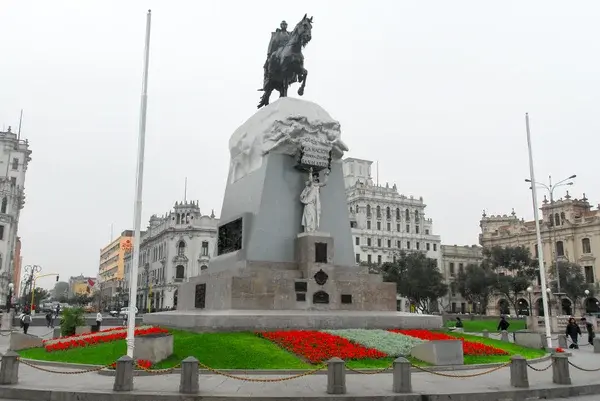
How Peru celebrates its independence today
During Peru’s Independence Day celebrations, especially in larger cities like Lima or Cusco, logistical coordination is key to ensuring smooth events and well-stocked street fairs, markets, and parades. Local vendors and organizers often rely on proper planning and equipos para inventarios to keep track of supplies, traditional food ingredients, and artisanal goods that see a spike in demand during the national holiday.
• Civic ceremonies and national pride
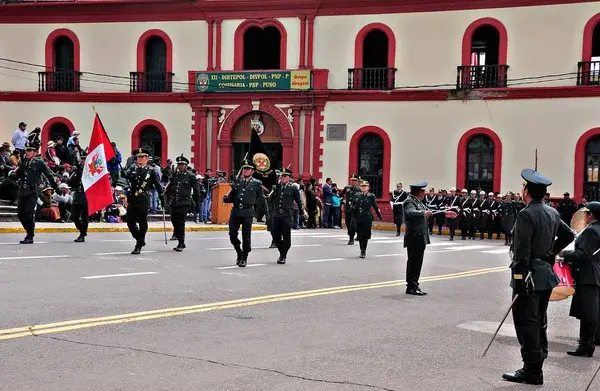
Modern celebrations begin with formal civic acts. On the morning of July 28, the Peruvian President delivers a speech to the nation from the Congress in Lima, summarizing the state of the republic and outlining future goals. Immediately after, the Te Deum mass—a religious tradition dating back to colonial times—is celebrated in the Cathedral of Lima. In towns and cities across the country, similar patriotic ceremonies are held at the local level. On July 29, a military parade is held in Lima, with impressive displays from all branches of the Peruvian Armed Forces and National Police.
• Street celebrations and community events
While the official acts are solemn, the streets come alive with joy and celebration. In neighborhoods across Peru, residents organize communal meals, parades, and folk music performances. Families gather for barbecues, street vendors sell traditional dishes, and parks fill with games and activities for children. Visitors in Peru during this time can participate in local festivities, which offer a rare and beautiful window into daily life and community values.
Regional celebrations across Peru
1.Cusco and the Andes: Sacred traditions and festive atmosphere
The Andean highlands celebrate Peru Independence Day with a unique blend of Inca, Catholic, and modern traditions. In Cusco, the former capital of the Inca Empire, streets fill with processions, Andean music, and festivals that honor both the republic and the pre-Hispanic heritage. Many travelers take this opportunity to explore ancient paths through trekking in Peru, combining cultural experiences with breathtaking natural landscapes. If you’re in the area, joining Cusco tours during this time is a fantastic way to discover both the city’s colonial and Inca roots.
2.Lima and the Coast: Parades, music, and culinary excellence
In Lima, the celebration reaches its most official and elaborate form. Streets are lined with flags, and thousands gather for the parades and concerts held in Plaza de Armas and surrounding districts. Street vendors serve up Peru’s most iconic foods, while stages across the city host performances of marinera, festejo, and criolla music. It’s also a great time to enjoy Peru’s food capital status with iconic dishes like ceviche and anticuchos. If you’re traveling with a Peru tour operator, ask about special culinary experiences during this time of year.
3.Amazon rainforest: A colorful mix of indigenous and national celebration
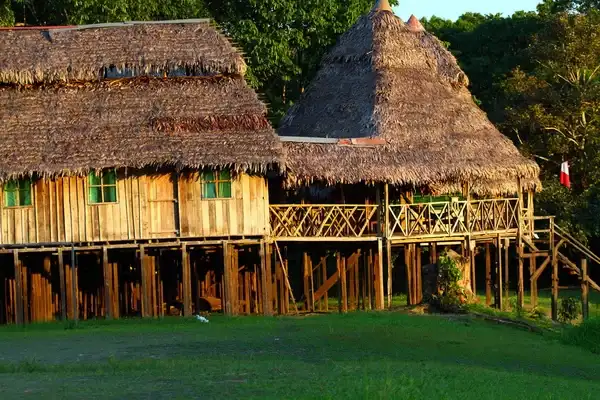
The jungle regions, including Iquitos and Puerto Maldonado, celebrate Peru Independence Day with a tropical twist. Communities blend national pride with indigenous rituals, music, and dance. These regions are perfect for travelers seeking immersive and eco-conscious travel. Opt for Manu tours Peru to discover pristine Amazon landscapes while participating in community-led celebrations that highlight environmental conservation and ancestral knowledge.
You might be interested in reading: Inti Raymi 2025: Celebrate the inca festival of the sun | Cusco
What to eat during Peru independence day
-Coastal flavors and national dishes
No celebration in Peru is complete without food. During Peru Independence Day, the focus shifts to dishes that represent the country’s culinary diversity. In coastal cities, ceviche made with fresh fish, lime, and chili is a must. You’ll also find anticuchos (grilled beef heart skewers), ají de gallina (a creamy chicken stew), and lomo saltado (stir-fried beef with vegetables and fries), served with a side of pride and storytelling.
-Andean comfort and ancestral flavors
In the Andes, meals tend to include potatoes, quinoa, corn, and lamb, often prepared in traditional earth ovens called huatias. Travelers on the Ausangate trek or similar adventures are often treated to these traditional meals along the route, enhancing their trekking experience with deep cultural insights.
-Traditional sweets and national toasts
Sweet lovers will enjoy mazamorra morada, arroz con leche, and picarones—delicious sweet potato and squash doughnuts drizzled with syrup. And of course, no Independence Day is complete without a Pisco Sour toast or a glass of chicha morada. For a more immersive food experience, check out specialty Machu Picchu tours that include local culinary stops along the Sacred Valley.
Best places to visit in Peru during independence day
While celebrations occur nationwide, certain locations offer particularly memorable experiences during the holiday.
- Lima: Home to the country’s largest military parade and most iconic food scene.
- Cusco: Combine culture, history, and adventure through Salkantay treks experiences or sacred sites tours.
- Arequipa: Known for its white architecture, festive ambiance, and proximity to the Colca Canyon.
- Puno: Lakeside parades, Andean music, and cultural showcases by Lake Titicaca.
- Huaraz: Ideal for those looking to combine patriotic celebrations with alpine trekking.
Travel tips for Peru independence day 2025
1.Book early
Hotels and transport fill quickly in July, especially in top destinations like Cusco, Arequipa, and Lima. If you’re planning to do the Inca trail or explore the Sacred Valley, secure permits and accommodations well in advance.
2.Travel with local experts
Choosing the right Peru tour operator can make all the difference. Responsible, locally run companies provide not only smoother logistics but also insider access to authentic experiences that enrich your understanding of the country.
3.Respect cultural traditions
Always be mindful and respectful when photographing people or participating in traditional events. Learn a few words in Spanish or Quechua, and listen to the stories locals are proud to share. In areas along the Ausangate treks, respectful interaction with communities makes the journey even more meaningful.
You might be interested in reading: What to do in Peru: 12 Unforgettable experiences here
Celebrate Peru, celebrate connection
Peru Independence Day is more than a historical anniversary—it is a celebration of a nation’s heart. It’s about honoring past struggles, celebrating cultural fusion, and embracing what it means to be Peruvian today. For travelers, it offers an unparalleled opportunity to dive deep into a world of ancient traditions, colonial legacies, and modern joys.
Whether you’re wandering cobblestone streets in Cusco, discovering cloud forests during a Salkantay trek, or marveling at ruins through Machu Picchu tours, July 2025 is your chance to witness Peru in full bloom. Plan your trip around this powerful celebration, and you’ll leave with more than memories—you’ll carry with you a piece of Peru’s enduring spirit.


