
The Quechua language is much more than a way of communicating. It is one of the oldest living languages in the Americas, with deep roots that stretch back long before the rise of the Inca Empire. Today, it remains one of the most spoken Indigenous languages across South America, with millions of speakers living in Peru, Bolivia, Ecuador, Colombia, and Argentina. In Peru alone, millions of people use Quechua in their daily lives, not only in remote Andean villages but also in major cities such as Cusco, Arequipa, and Lima. This enduring presence shows the resilience of Indigenous traditions and highlights how Quechua continues to play an important role in shaping Peru’s national identity.
For travelers visiting Peru, understanding the importance of Quechua means more than just learning a few words. It opens the door to a richer cultural experience, as many traditions, legends, and ways of life are still preserved in this ancient tongue. Whether you are exploring remote trekking routes like the Ausangate trek 4 days or walking through bustling markets in Cusco, you will often hear Quechua phrases and expressions. This connection between the past and the present makes the language not only a form of communication but also a living testimony of Andean heritage.
The origins of the Quechua language
Quechua predates the Inca Empire, which is a common misconception among visitors. While the Incas did adopt and spread the language across their vast territory in the fifteenth century, its origins are much older. Linguistic studies suggest that Quechua was spoken in central Peru as early as 2,000 years ago. The Incas recognized its potential as a unifying tool and promoted it as the administrative and cultural language of their empire. This is why it became the lingua franca of the Andes, allowing communication between diverse groups of people spread across thousands of kilometers.
Even after the Spanish conquest, Quechua retained an important role. Although Spanish eventually became the official language of colonial administration, Quechua continued to be spoken by Indigenous communities, missionaries, and even in some artistic expressions such as theater and literature. Despite centuries of suppression, it survived and adapted, becoming an enduring symbol of cultural resistance.
You might be interested in reading: The Peruvian Highlands: Complete travel guide
Quechua in modern Peru
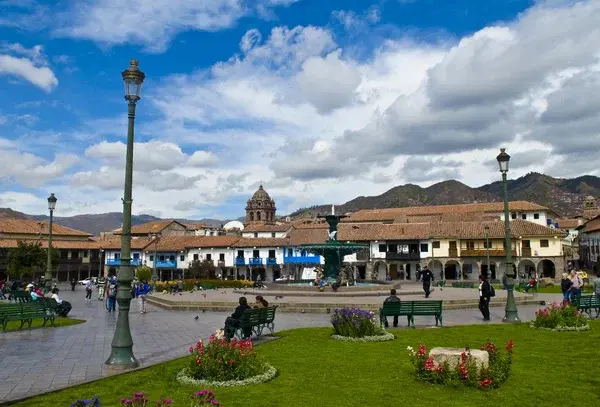
Today, Quechua is recognized as an official language of Peru, alongside Spanish and Aymara. This recognition, established in the Constitution, highlights the government’s effort to preserve Indigenous cultures. In practical terms, this means that in regions where Quechua is widely spoken, public services must be available in the language, and schools are encouraged to incorporate it into their curriculum.
Still, challenges remain. While millions of Peruvians speak Quechua, the younger generations in urban areas are shifting toward Spanish due to social pressures and limited opportunities for using their ancestral tongue. Fortunately, cultural revitalization projects, community-led initiatives, and even universities are now taking steps to promote Quechua education and media. Travelers may even find courses offered in Cusco where they can learn basic phrases, allowing them to connect more meaningfully with locals during their journeys.
Why learning Quechua matters for travelers
For international visitors, especially those who come for trekking and cultural experiences, learning a few Quechua words can make a profound difference. When you say “Allinllachu” (hello, how are you?) or “Sulpayki” (thank you), locals appreciate the effort and often open up to share stories, traditions, and knowledge that they might not reveal otherwise. This is particularly meaningful in destinations like Go Treks Peru where guides often highlight not only the natural beauty of the Andes but also the Indigenous culture that has shaped the region for centuries.
By speaking even a little Quechua, travelers demonstrate respect for the communities that keep these traditions alive. This small gesture strengthens cultural exchange and enriches the travel experience beyond typical sightseeing.
Quechua in andean music, stories, and rituals
Quechua is not only a spoken language—it is a vessel of oral traditions, songs, and spiritual practices. Ancient myths about mountain spirits, Pachamama (Mother Earth), and sacred lakes are still told in Quechua. These narratives shape local customs, agricultural cycles, and religious rituals. Many traditional songs, known as “huaynos,” are performed in Quechua, carrying themes of love, nature, and community life.
Participating in festivals such as Inti Raymi in Cusco or smaller community celebrations often means hearing Quechua chants and prayers. For travelers, this immersion offers a unique chance to witness living traditions that have been passed down for centuries, reinforcing the importance of preserving the language.
Quechua and trekking in the Peruvian highlands
Exploring the Peruvian Andes often means stepping into regions where Quechua is the primary language. Treks like the Moonstone trek to Machu Picchu 5 days take visitors through remote villages where Quechua is more commonly spoken than Spanish. Similarly, journeys across the sacred mountains during the Ausangate trek introduce trekkers to communities that maintain their traditions largely untouched by urban modernity.
Understanding even a few words of Quechua can transform these adventures, allowing trekkers to connect with local families, farmers, and artisans in a more authentic way. In this sense, Quechua is not only a linguistic tool but also a bridge to cultural immersion during trekking experiences.
The connection between Quechua and nature
Quechua vocabulary is deeply tied to the natural world. Many words reflect the Andean people’s intimate relationship with the environment. For instance, there are multiple words for snow, mountains, and types of rain, each describing different nuances of the highland climate. The language reveals a worldview in which humans are not separate from nature but part of a larger, interconnected system.
For travelers who venture into protected areas such as Manu National Park 4 days, understanding this worldview provides greater insight into how Indigenous communities perceive and care for their environment. This perspective is invaluable for those who want to appreciate Peru beyond its landscapes and delve into the philosophies that guide its ancestral traditions.
You might be interested in reading: Where to stay in Cusco 2026
Quechua across the Andes
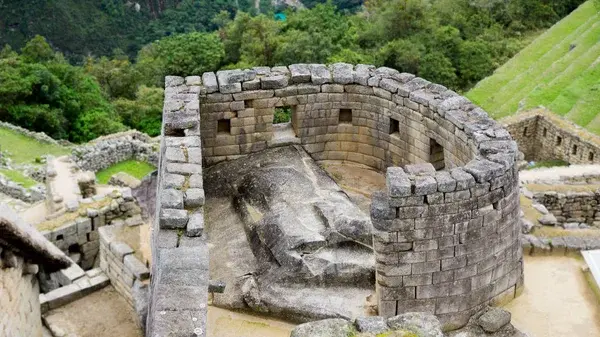
Although Peru is often seen as the heartland of Quechua, the language extends across several South American countries. Variations of Quechua are spoken in Bolivia, Ecuador, Argentina, and Colombia. Each region has developed its own dialects, influenced by local cultures and contact with Spanish.
In Peru alone, there are more than a dozen Quechua dialects, some of which are mutually unintelligible. Despite these differences, all forms of Quechua share common linguistic roots, creating a sense of cultural unity across the Andes. Trekkers who embark on the Ausangate trek to Rainbow mountain 4 days or visit remote places like Pallay Punchu will quickly notice how language and identity remain closely tied in each community.
The role of Quechua in tourism
Tourism has become a powerful force for revitalizing Quechua. As more travelers show interest in cultural experiences, local communities have embraced the opportunity to share their language and traditions. Many tour operators, such as Peru tours, now highlight Quechua culture as part of their packages. Guides often incorporate Quechua phrases into their tours, teaching visitors expressions that they can use with local people.
For visitors interested in deep cultural immersion, journeys such as the Ancascocha trek and Inca trail 7 days combine natural beauty with opportunities to engage with Quechua-speaking communities. These encounters help support cultural preservation while offering travelers meaningful experiences that go far beyond typical sightseeing.
FAQs about the Quechua Language
1.What is the Quechua language?
Quechua is an Indigenous language family spoken by millions of people across South America, especially in the Andes of Peru. It was spread by the Inca Empire and continues to be used today as both a daily communication tool and a cultural symbol.
2.Is Quechua still spoken in Peru?
Yes, Quechua is widely spoken, particularly in rural Andean communities. In some regions, it remains the first language for many families, while in cities it is often used alongside Spanish.
3.How difficult is it to learn Quechua?
Quechua can be challenging for beginners because it has unique sounds and grammar compared to English or Spanish. However, many travelers enjoy learning basic phrases that help them connect with locals.
4.Why is Quechua important?
Quechua is a vital part of Andean identity and heritage. It carries centuries of history, traditions, and knowledge about nature, agriculture, and spirituality. Preserving it ensures that this cultural wealth is not lost.
You might be interested in reading: Feast of Saint Rose of Lima, Peru
A Language That Bridges Past and Future
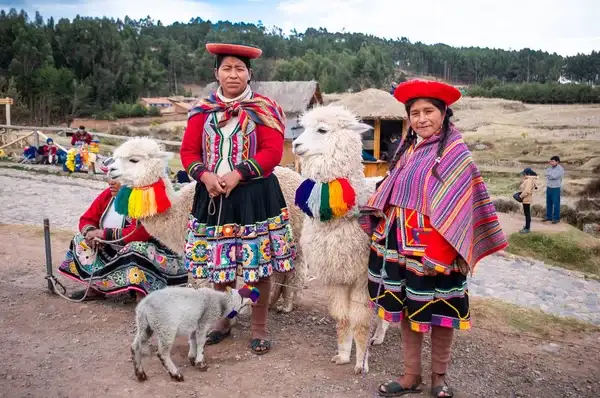
The Quechua language is far more than a remnant of the past—it is a vibrant, evolving tradition that continues to shape the lives of millions. For visitors exploring the Andes, whether through Manu tours Peru or cultural Peru Treks, understanding the value of Quechua enriches every moment of the journey. From sacred festivals to remote villages, Quechua acts as a bridge between history and the present, offering insights into one of the world’s most resilient cultures.
By engaging with Quechua, travelers not only gain a deeper appreciation of Peru’s highlands but also contribute to the preservation of a language that embodies the wisdom of the Andes.


