Your adventurous soul is looking for an unforgettable experience trekking in the Peruvian highlands, but should you go for the Salkantay Trek or the Inca Trail? Which is the best hike?
We know that the Inca Trail and the Salkantay trek are very popular hikes in South America. They both offer majestic views through different ecosystems ending in a visit to the majestic Machu Picchu, but the experience is totally different in each.
In this article, you will find all you need to know to make your choice easier!
The Inca Trail
This trail is part of the Qhapaq Ñan, a much larger road system built by the Incas over the course of centuries. It has an amazing cultural and historical value, and UNESCO also recognized it as a World Heritage Site in 2014.
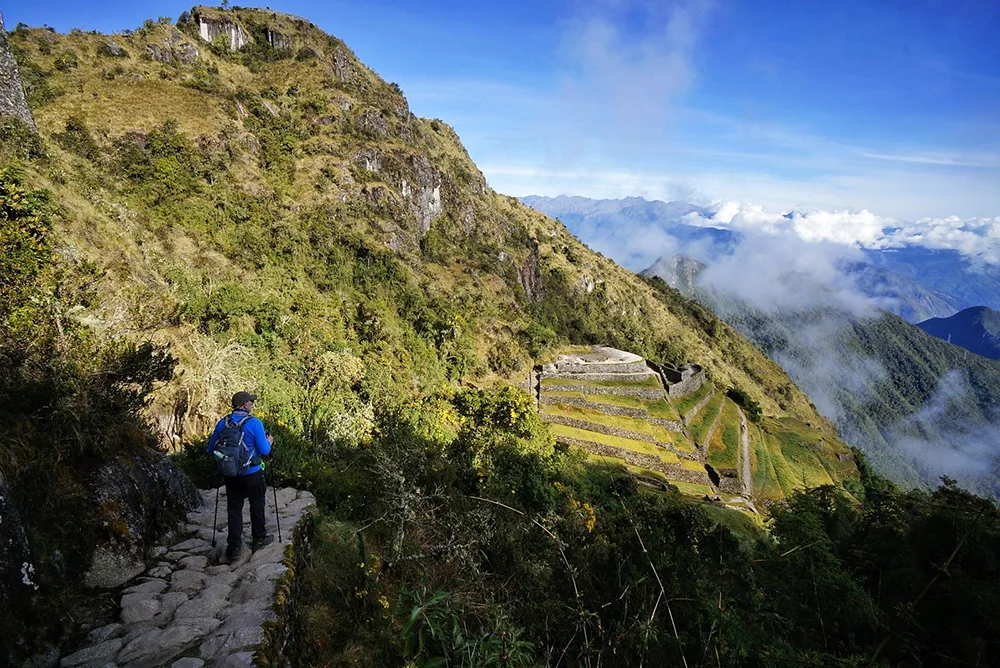
That being said, the Inca Trail is one of the most popular hikes in the world. Its major highlight is the famous Sun Gate, from where you will access Machu Picchu right after your trek! This is definitely an extraordinary experience and exclusive for this tour, since you won’t find it in any alternative route.
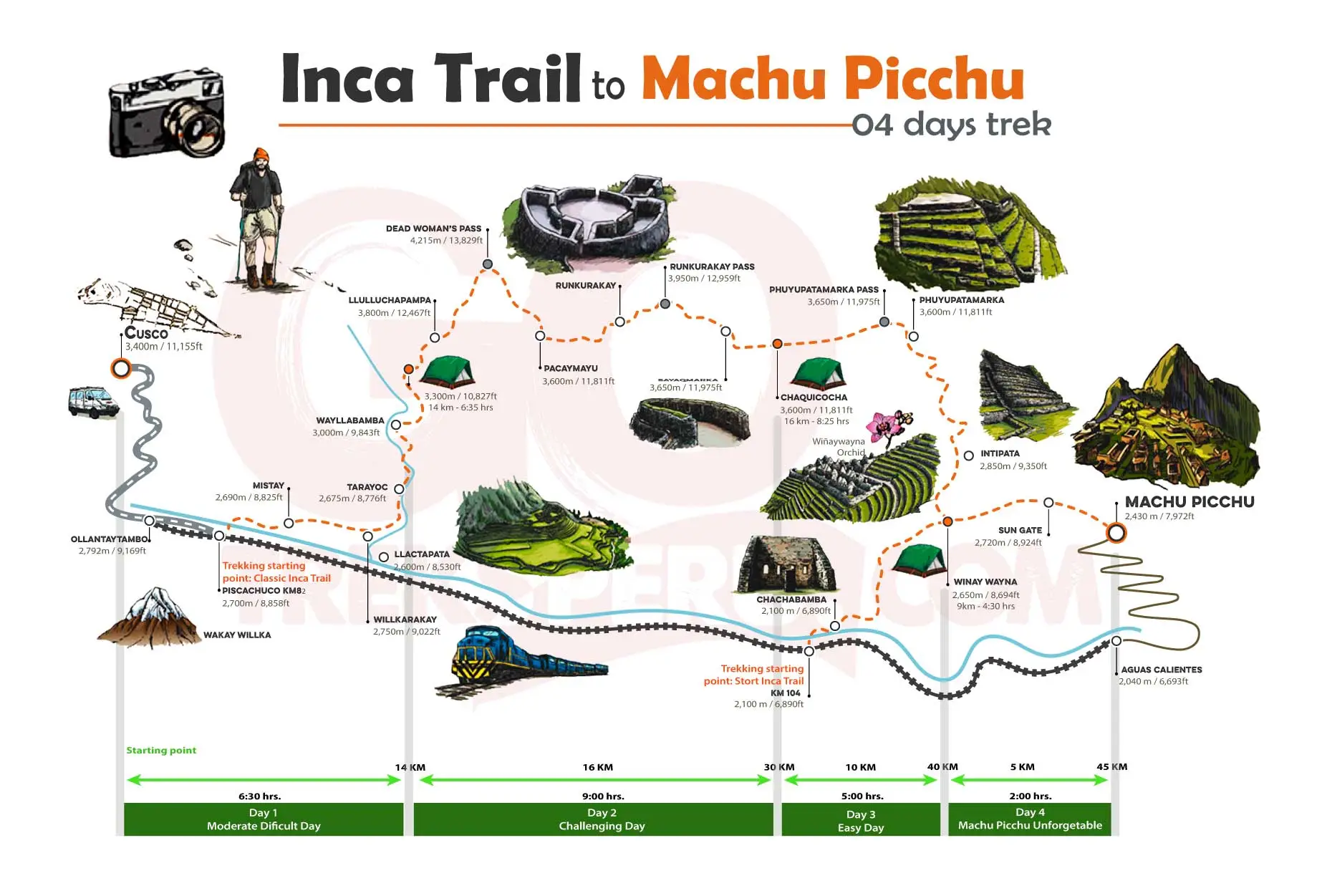
This trail is regularly made in 4 days, and it passes through different Andean environments and archaeological sites:
- Runcuracay. Served as a watchtower for the trail during the time of the Inca Empire.
- Sayacmarca. It is believed to have been a religious or ceremonial complex.
- Phuyupatamarca. Also known as the “Town above the clouds”, this site is perched on a mountainside and offers stunning panoramic views.
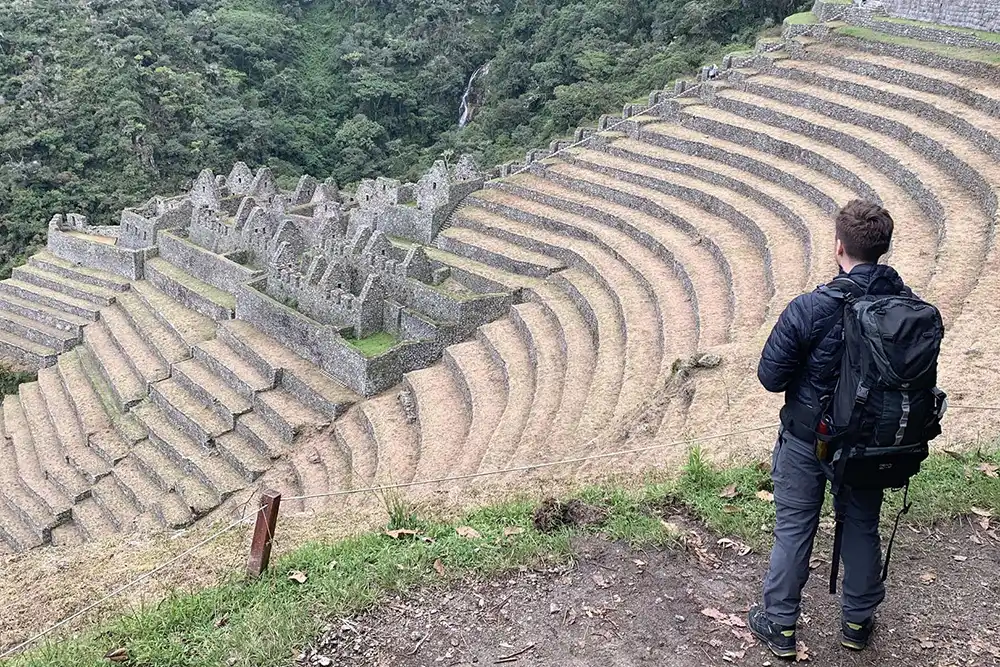
- Wiñay Wayna. It is an impressive complex featuring agricultural terraces, residential areas, and ceremonial structures. It’s one of the most impressive ruins on the trail.
The Inca Trail is considered a moderate hike, but still demanding. You will hike from 6 to 9 hours a day, and the hardest part is the climb up to Warmiwañusqa or Dead Woman’s Pass at an elevation of 4,215m (13,828ft).
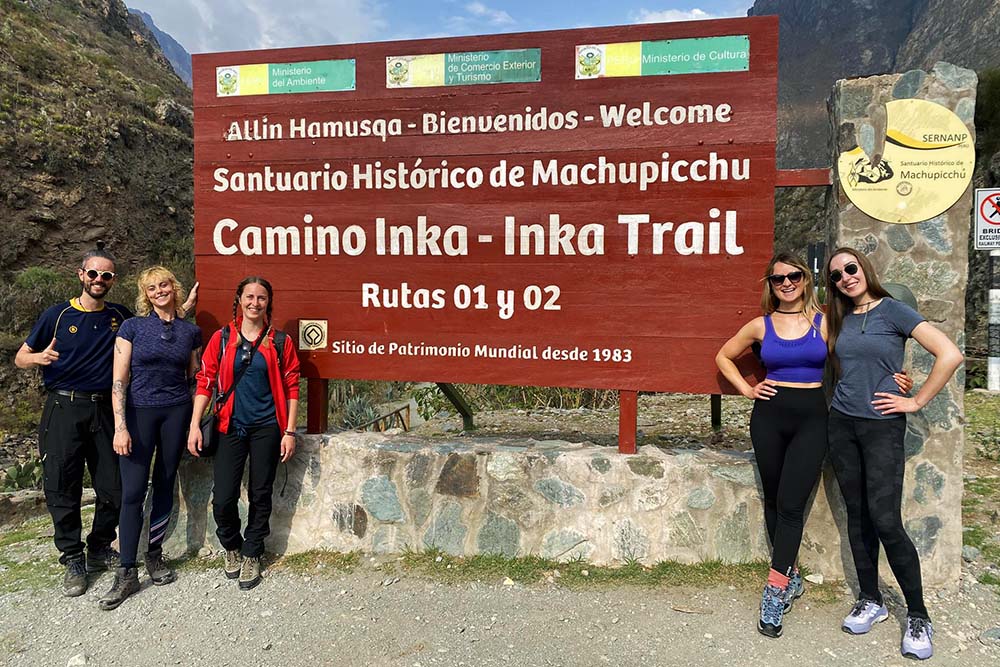
Hiker Tip! The Inca Trail is a protected area and only 500 people are permitted to trek there everyday. Tickets must be booked in advance with an authorized tour company, and are in high demand. Because of this, it is also more expensive than alternative treks. Also note that Inca Trail permits are non-refundable and non-transferable.
Why choose the Inca Trail?
The Inca Trail offers interesting resemblances of history for those enthusiastic about the Inca culture and commonly includes the tickets to visit Machu Picchu in all the tours. Although it is more of a cultural experience, you will be able to see some of the wildlife, such as llamas and alpaca,s along the way.
In contrast to the Salkantay Trek, in the Inca Trail, you will see more Archaeological sites such as Phuyupatamarca, Runkurakay, Sayacmarca, Wiñaywayna, etc.
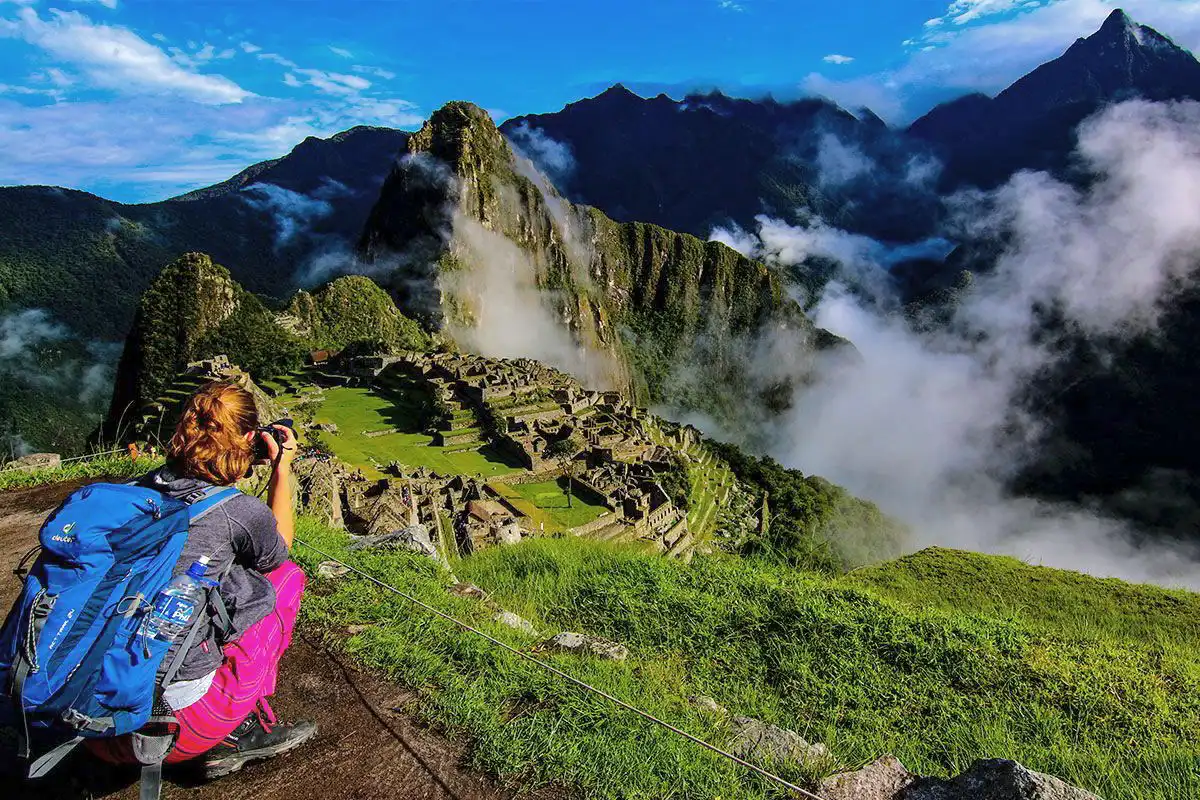
On the last day of the trek, after leaving the last campsite, you will start trekking uphill until you reach the Sun Gate, one of the most coveted entrances of Machu Picchu, from where you will see the citadel for the first time in a unique way.
In Summary – Inca Trail:
- Time: From a 2-day short route to the classic 4-day hike (depending on your tour operator and personal physical capacities)
- Distance: 43 kilometres (26 miles)
- Best season: Dry season (May to October)
- Elevation: Starting at 2,200 metres, the elevation ascends to 3,300 metres and reaches 4,215 metres (13,828ft) at the highest point.
- Accommodation: Camping
- Difficulty: Moderate
- Permits: Required with anticipation.
The Salkantay Trek
Salkantay is the highest peak in the Vilcabamba Mountain Range. It is considered the best alternative trek compared to the Inca Trail.
The Salkantay Trek was named as one of the Best 25 hikes in the World by National Geographic. The hike takes from 3 to 5 days to complete. It also includes a visit to Machu Picchu on the last day, depending on your itinerary.
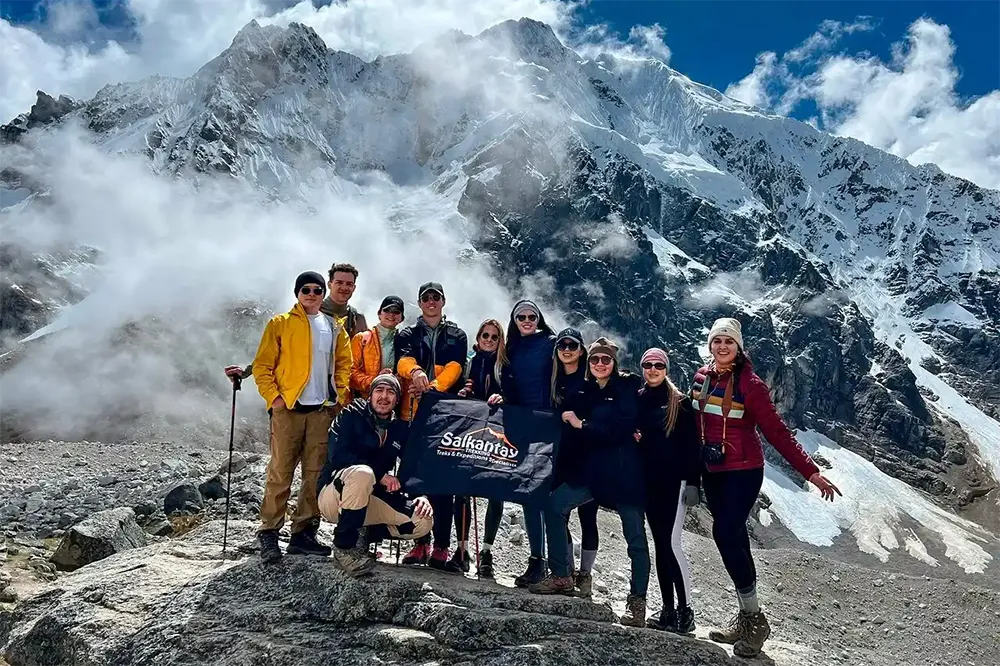
The route starts in Mollepata, two hours from Cusco. It is more challenging, and physically demanding as the highest point reaches 4,630m (15,190ft). At the end of the trek, you will arrive at Aguas Calientes to spend the final night. On the fifth day, you will leave the town to hike or take a bus ride to Machu Picchu and visit the site.
In general, Salkantay offers a greater diversity of nature and scenery through the Andean Highlands of Peru. Moreover, the varied climate zones and vegetation will allow you to enjoy more of the wildlife and flowers. In contrast to the Inca Trail, in this trip you will also visit the Humantay lake and enjoy the view of beautiful glaciers and cross-mountains passers.
Hiker tip! While the Inca Trail is the most demanded and has a limited number of permits a day, the Salkantay Trek is the best less crowded alternative route with around 50 hikers per day. Also, you don’t need permits, but it is highly recommended to book with a travel agency.
Why choose the Salkantay Trek?
According to many travelers, the Salkantay Trek is considered more beautiful; as you will pass through the snow capped mountains, cloud forests, and see coffee plantations until you reach Aguas Calientes.
Some of the villages you will visit are Mollepata, Soraypampa and Santa Teresa. This tour is perfect for those interested in the local communities, and enjoy outstanding views.
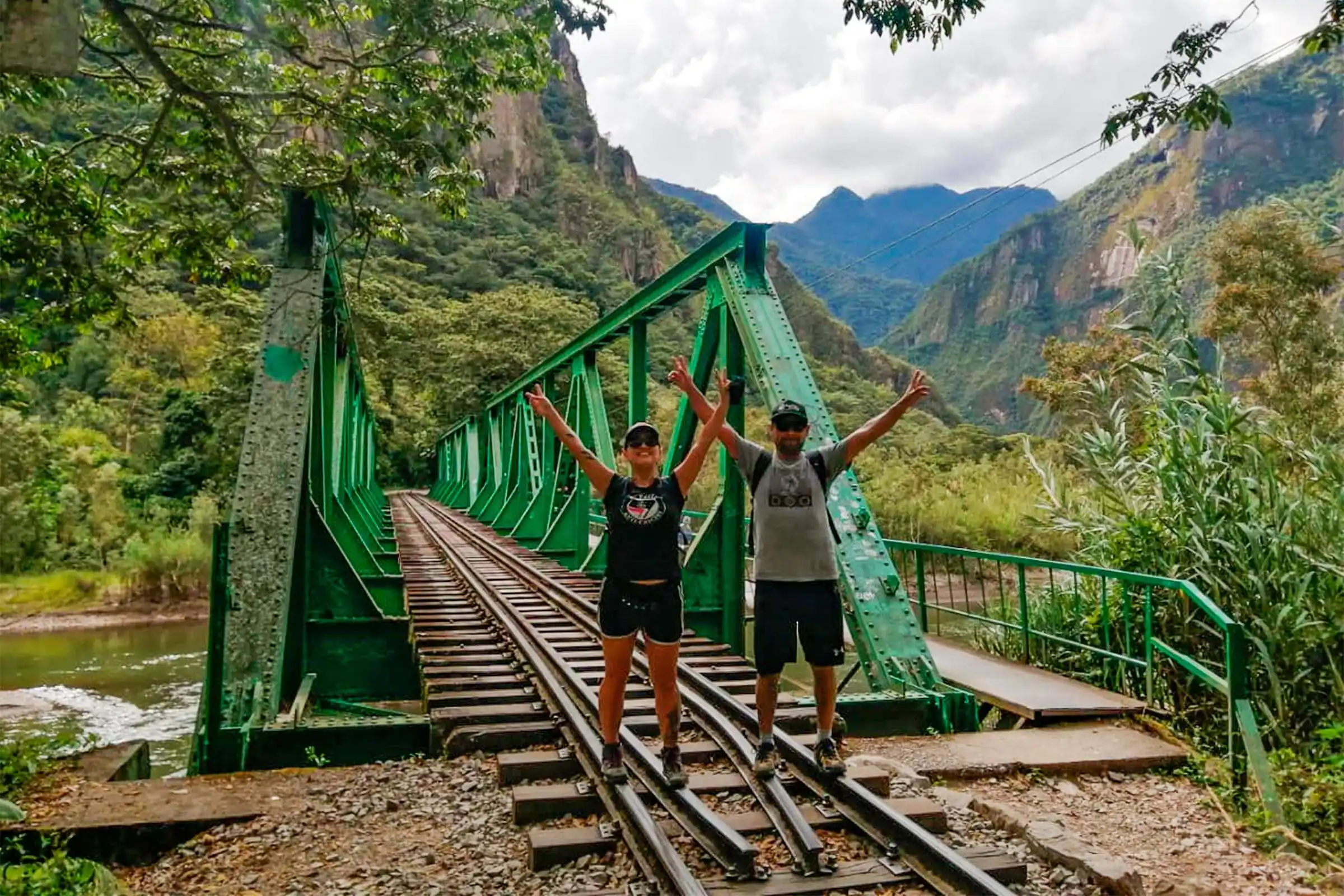
If you are not keen on camping, the Salkantay trek offers different options for accommodation, from basic campsites to glamping and stargazing domes! These options depend on your tour operator and budget.
The Salkantay Trek is considered a difficult hike because it’s not only twice the distance of the Inca Trail, but also has a higher altitude reaching almost 5,000 metres (16,400 feet). If you have trekking experience and would like to test yourself, the Salkantay trek is perfect for you.
The Salkantay Trek is not as expensive as the Inca Trail, and it is easier to book. If you are already coming to Cusco but you haven’t booked the Inca Trail yet, it will be almost impossible to get spots in Cusco. On the other hand, the Salkantay Trek is cheaper and better for last minute planning.
In Summary – Salkantay Trek:
- Time: From 3 to 5 days. The visit to Machu Picchu is on the final day.
- Distance: 74 kilometres (46 miles)
- Best season: Dry season (May to October)
- Elevation: The elevation reaches its highest at 4,600 metres (15,090ft)
- Accommodation: Camping, cabins, hostels, glamping, etc.
- Difficulty: Challenging
- Permits: None
The Inca Trail vs The Salkantay Trek: Quick Stats
| Inca Trail | Salkantay Trek | |
| Highlights | A hike with great historic value, perfect for first-time visitors and travelers interested in the Inca culture. | A beautiful hike, perfect for adventurers and travelers looking for nature, landscapes, and flexibility. |
| Scenery | More archaeological sites such as Phuyupatamarca, Runkurakay, Sayacmarca, Wiñaywayna, and more. | Humantay lake, alpine glaciers and cross-mountains passers. |
| Distance and duration | 43 kilometres (26 miles) The hike takes from 2 to 4 days. | 74 kilometres (46 miles) The hike takes from 3 to 5 days. |
| Elevation | Highest point: Warmiwañusqa or Dead Woman’s Pass at 4,215 metres (13,828ft) | Highest point: Salkantay Pass at 4,600 metres (15,090ft) |
| Difficulty | Moderate-hard | Challenging |
| Accommodation | Camping only | Mix of camping, mountain lodges, or rustic hotels |
| Price | Expensive (including permits and tickets for Machu Picchu) | Cheap (the tickets for Machu Picchu are usually not included) |
| Permits | Yes (Sold months in advance) | No permits needed |
| Availability | All year, except for February (closed for maintenance) | All year |
Our recommendation
Both the Salkantay and Inca Trail are great for hiking to Machu Picchu. Consider this final tips on both treks:
- Remember to book early for the Inca Trail (at least 5 months in advance)
- Acclimatize in Cusco for a few days before attempting any of the treks.
- Check out our complete guide on what to pack for the Inca Trail.
- Consider your travel style, physical abilities and budget before making the choice between the two.
Other travelers ask (FAQs)
Which is better, Salkantay Trek or Inca Trail?
Both are completely worthy treks, but offer a different experience. While the Inca Trail is perfect to know more about the Incas, the Salkantay Trek offers more adventure in the Mountains of Peru. Both treks usually offer a high standard of guiding, food and accommodation.
Which trek is harder: Salkantay or Inca Trail?
The Salkantay Trek is considered harder because of its higher altitude and longer distance to hike.
Do I need a permit for the Salkantay Trek?
No. You don’t need any special permit, but it is recommended to book the trek with a travel agency.
How far in advance should I book the Inca Trail?
The Inca Trail permits and spots sell out far in advance. It is recommended to book them 4 to 6 months before.
Can I do both the Inca Trail and Salkantay Trek?
Yes! Some tour companies combine both hikes in a 7-day trek to Machu Picchu.
Is the Salkantay Trek cheaper than the Inca Trail?
The Salkantay Trek is generally cheaper, but it will also depend on the travelers accommodation, tour, etc.
Can I hike either trek without a guide?
It’s not possible to hike the Inca Trail on your own, you will need an authorized travel agency and an organized tour. However, you can hike the Salkantay trek alone without any permit, but it is strongly recommended to go with a tour operator for your safety and logistics.
Do both treks end at Machu Picchu?
The Inca Trail ends in the Sun Gate, from where the travelers enjoy the first glimpse of the site, and start the visit on the site. The Salkantay Trek ends in the town of Aguas Calientes, a visit to Machu Picchu is usually made the next day and not all the tours include it.
Is the Inca Trail closed at certain times of year?
Yes. The Inca Trail is closed in February due to maintenance.
Which trek is better for avoiding crowds?
The Salkantay Trek is the best option. Although it doesn’t have a daily limit, around 50 hikers do this trek everyday, in comparison to the 500 hikers of the Inca Trail instead.
After this complete guide of the Salkantay Trek vs the Inca Trail, remember that both are completely worthy, but they offer a different experience.
Choose the Inca Trail if you are coming to Cusco for the first time, or if you are a traveler deeply interested in the Inca Culture and architecture.
On the other hand, choose the Salkantay Trek if you are prepared for a challenging trek and you are interested in the local culture with fewer ruins views but an amazing landscape and nature scenery.
You won’t regret either trek because both are unforgettable!