
If you’re someone who finds joy in nature, challenge in mountains, and meaning in every step taken on a trail, then this guide is for you. The best hikes in the world are not just about distance or elevation — they’re about the unforgettable moments that connect you to the land, its people, and your own resilience.
Across continents and cultures, some trails rise above the rest for their beauty, history, and the transformative experiences they offer. In this post, we’ll explore 12 of the most iconic hikes worldwide that deserve a spot on your bucket list. Whether you dream of tracing Inca footsteps in Peru, circling glaciers in Europe, or trekking through the remote wilderness of Patagonia, this list will take you there.
Why long-distance hikes matter today
Hiking is more than just a way to get from point A to point B. For many, it has become a form of therapy, a challenge, a cultural immersion, and a way to reconnect with the natural world. In an era where convenience and digital life dominate our routines, long-distance hikes offer a rare opportunity to unplug and live more intentionally. They push our physical limits while sharpening our mental clarity. They help us understand the landscape, people, and history that shape the places we visit.
Some trails pass through sacred mountains revered for centuries, while others take you through glacial valleys, deserts, or rainforests. Each step on these trails helps us become more present, more humble, and more inspired by the world we live in. Long-distance hiking has also become a platform for promoting sustainable travel—reducing carbon footprints, supporting local economies, and encouraging a deeper appreciation for Earth’s fragile ecosystems.
What to consider before choosing your next hike
Planning a major trek requires more than choosing a pretty destination. Each trail comes with its own set of challenges, regulations, and environmental considerations. Altitude is a major factor on high-mountain treks like the Salkantay Trek 5 Days or the Everest Base Camp, and preparing your body for such elevations requires time and care.
You’ll also want to factor in the time of year, as weather can drastically impact trail safety and visibility. The best seasons to hike vary by region—Peru’s dry season is May to September, while Iceland’s Laugavegur Trail is only accessible during the short summer months.
Equally important is your personal travel style. Are you looking for solitude or camaraderie? Do you want to camp under the stars or sleep in mountain lodges? Will you hike independently or rely on a trusted Peru tour operator or local guide? These decisions shape your entire journey and the type of experience you walk away with.
You might be interested in reading: Peru independence day 2025 | The Ultimate Guide
The 12 best hikes in the world
1. Inca Trail, Peru
The Inca Trail is legendary for good reason. This ancient network of stone-paved paths winds through the Peruvian Andes, connecting Inca ruins, lush cloud forests, and high-altitude passes before culminating at the breathtaking Sun Gate overlooking Machu Picchu. The 4-day trek is a fusion of adventure, history, and natural beauty that is truly unparalleled.
Spots are limited and often sell out months in advance, so early planning is essential. The trail is also deeply regulated to ensure sustainability, making it a gold standard for trekking in Peru.
2. Tour du Mont Blanc, Europe
This iconic alpine route circles the massive Mont Blanc massif, cutting through France, Italy, and Switzerland. With roughly 170 kilometers of dramatic alpine landscapes, this hike is a celebration of European culture, cuisine, and scenery. Trekkers pass through remote mountain passes, charming villages, and verdant valleys dotted with wildflowers and cows.
Accommodation in rustic mountain huts makes this journey more comfortable, while still offering physical challenge and immense natural beauty.
3. Salkantay Trek, Peru
The Salkantay Trek 4 Days is a jaw-dropping journey that rivals the Inca Trail in natural beauty but offers a more remote and immersive experience. The trail circles around the majestic Salkantay Mountain, rising over 6,200 meters, and descends into tropical cloud forests as it approaches Machu Picchu.
It’s a great alternative for those who want flexibility, fewer crowds, and a more varied ecosystem. The trail reveals a side of the Andes that feels raw and unspoiled, and every curve in the path brings new vistas of snow-capped peaks, turquoise lagoons, and ancient pathways.
4. Torres del Paine W Trek, Chile
Torres del Paine National Park offers a wilderness experience on a scale few other destinations can match. The W Trek, named for its zigzagging shape, covers roughly 80 kilometers and showcases towering granite peaks, ice fields, deep blue lakes, and wind-sculpted trees.
Expect strong winds, sudden weather changes, and mind-blowing views. The trek is supported by a system of refugios (mountain huts), making it accessible to adventurers with varied experience levels. Patagonia’s untamed spirit lives in every step of this remarkable journey.
5. Ausangate Circuit, Peru
The Ausangate Trek 5 Days is one of the most stunning high-altitude hikes in the world. Circling the sacred Ausangate Mountain, this trail takes you past remote Andean villages, colorful glacial lakes, and the surreal hues of Rainbow Mountain.
Unlike other Peruvian treks, this trail isn’t about archaeological sites—it’s about nature in its most powerful and pristine form. The experience is deeply spiritual, especially when done with respect and care, and allows you to witness a side of Peru untouched by mass tourism. If you’re short on time, the Ausangate Trek 4 Days still delivers a profound connection to the mountains.
6. Kalalau Trail, Hawaii
This 22-mile round-trip trail along Kauai’s Nā Pali Coast is a tropical dream. The Kalalau Trail weaves above towering sea cliffs, through bamboo forests, and across rivers that lead to remote beaches and waterfalls. It’s one of the most demanding trails in the U.S., with narrow paths and unpredictable weather, but the natural beauty is truly cinematic.
This trail requires permits and caution, but it rewards the adventurous with solitude, turquoise waters, and unparalleled views.
7. Choquequirao Trek, Peru
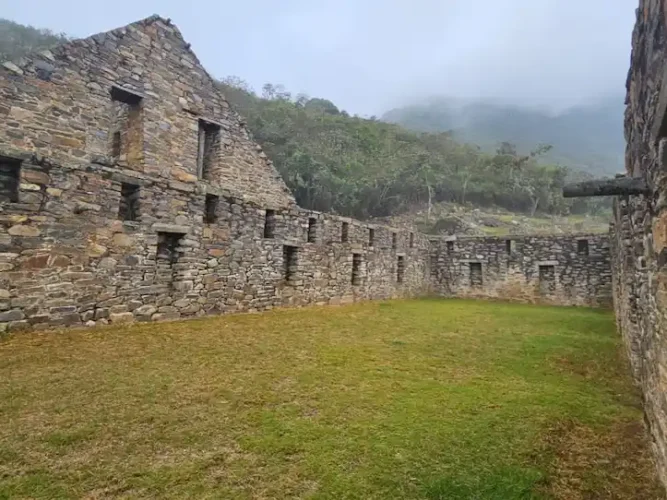
The Choquequirao Trek 5 Days is ideal for hikers who crave cultural immersion and solitude. This challenging trek takes you to the ruins of Choquequirao, an Inca city often compared to Machu Picchu, yet far less visited. The hike itself involves steep ascents and descents into the Apurímac Canyon and requires resilience—but it pays off in sweeping views and quiet connection to history.
For a shorter version, the Choquequirao Trek 4 Days offers an intense but manageable route through this sacred landscape.
You might be interested in reading: Best countries to visit 2025
8. Everest Base Camp, Nepal
A pilgrimage for trekkers and mountain lovers alike, the journey to Everest Base Camp offers a glimpse into the world of Himalayan giants. Along the route, you’ll pass ancient monasteries, Sherpa villages, and viewpoints that frame Mount Everest in all its glory.
The physical challenge is immense, and altitude sickness is a serious risk, but with proper preparation, it’s one of the most iconic treks on Earth.
9. Laugavegur Trail, Iceland
The Laugavegur Trail is like stepping onto another planet. In just 4 to 6 days, hikers traverse rhyolite mountains, steaming vents, black sand deserts, and glacier-fed rivers. The surreal contrasts and vibrant colors are unmatched, making this one of Europe’s most unique hiking experiences.
The trail is open only in summer and well-serviced by mountain huts, allowing trekkers to travel light while still enjoying comfort.
10. The Overland Track, Australia
Tasmania’s Overland Track leads hikers through the heart of the island’s World Heritage wilderness. Over six days, you’ll explore diverse terrains—from dense forests and moorlands to alpine plateaus and glacial lakes. Wildlife like wombats and wallabies add charm to the trail, and optional side trips offer access to waterfalls and summits.
This hike is ideal for those who value solitude, natural diversity, and a well-maintained trail system.
11. The Dolomites Alta Via 1, Italy
Italy’s Alta Via 1 stretches over 120 kilometers through the dramatic peaks of the Dolomites. The trail passes through serene valleys, jagged ridgelines, and alpine meadows. Rifugios along the route serve pasta, wine, and espresso—making it the only hike where you’ll probably gain weight.
The scenery is unforgettable, especially at sunrise and sunset, when the pale rock formations light up with fiery color.
12. The Drakensberg Traverse, South Africa
Last on this list but certainly not least, the Drakensberg Traverse in South Africa is one of the most challenging hikes in Africa. With no marked trail and few facilities, it’s a true expedition. Hikers must navigate using maps and compasses, often relying on local knowledge. The payoff is immense: endless skies, rolling highlands, and a connection to pure wilderness that’s becoming harder to find.
Tips for planning the perfect hiking experience
- Train properly: Give yourself time to build strength and endurance.
- Research your destination: Understand the geography, climate, and permit requirements.
- Pack smart: Quality gear matters. Lightweight, durable equipment will save your back.
- Go with reputable operators: In regions like the Andes, booking through local experts—like those offering Manu tours Peru or Cusco tours—ensures safety, cultural insight, and sustainable practices.
- Respect the land: Follow Leave No Trace principles and engage responsibly with local communities.
What gear makes a difference on global trails
Your hiking gear should be light, functional, and versatile. A sturdy pair of waterproof boots, moisture-wicking clothes, trekking poles, a good-quality sleeping bag, and a compact stove system are essential. On cold or wet trails like the Ausangate trek 5 days, layering becomes especially important.
Don’t forget navigation tools—especially on off-grid hikes like the Drakensberg—and eco-friendly supplies like reusable water bottles and biodegradable soaps. Whether you’re preparing for Machu Picchu tours or icy European trails, your equipment can make or break your trek.
You might be interested in reading: Inti Raymi 2025: Celebrate the inca festival of the sun | Cusco
Final thoughts before you hit the trail
These hikes are more than routes on a map—they’re invitations to see the world through your own effort and presence. They teach patience, resilience, and awe. They build friendships, ignite passions, and often change how we see the world.
If you’re planning a major adventure in 2025, these 12 hikes represent the best of what global trekking has to offer. Whether you’re drawn to ancient paths in Peru, wild tundras in Iceland, or alpine panoramas in the Dolomites, there’s a trail waiting to challenge and inspire you. Choose the one that calls to you most—and answer that call with open eyes, a full heart, and the will to walk far.
Frequently Asked Questions about best hikes in the world
1. What is the best time of year to do these hikes?
The ideal time varies by location. For example, treks in Peru like the Salkantay Trek 5 Days or Choquequirao Trek 5 Days are best during the dry season (May–September). In Iceland, the Laugavegur Trail is only accessible during summer (June–August), while the Everest Base Camp trek in Nepal is most popular in spring and fall.
2. Are these hikes suitable for beginners?
Some hikes like the Tour du Mont Blanc or Kalalau Trail can be attempted by well-prepared beginners. However, high-altitude or remote treks such as the Ausangate Trek 4 Days or Drakensberg Traverse require solid experience, fitness, and acclimatization.
3. Do I need permits for these hikes?
Yes, several of these hikes require permits. The Inca Trail has limited spots that must be booked months in advance. Others like the Kalalau Trail in Hawaii and the Overland Track in Australia also require reservations. Always research specific requirements before booking your trip.
4. Can I hike without a guide?
It depends on the destination. In some places like Torres del Paine or the Dolomites, self-guided hikes are common and well supported. In remote or high-altitude treks such as the Choquequirao Trek 4 Days or Manu tours Peru, it’s highly recommended to go with a knowledgeable local guide or a certified operator for safety and cultural insight.


