
The Peruvian Highlands represent one of the most fascinating regions in South America, a place where geography, history, and living culture meet in extraordinary harmony. Stretching across the backbone of the Andes, this area is defined by breathtaking mountain ranges, snowcapped peaks, high-altitude valleys, and remote communities that preserve ancestral traditions passed down through centuries. For travelers looking to immerse themselves in the authentic essence of Peru, the highlands offer experiences unlike anywhere else in the world. Whether you are drawn by adventure, culture, or natural beauty, this region has something to capture your imagination and heart.
When people think of Peru, Machu Picchu often takes the spotlight, but beyond the famous Inca citadel lies a vast world of landscapes and traditions that are equally mesmerizing. The highlands are not only home to archaeological wonders but also to vibrant towns, colorful festivals, diverse wildlife, and stunning trekking routes that bring you closer to the untouched wilderness of the Andes. The combination of altitude, culture, and sheer diversity makes this region essential for any traveler who truly wants to understand Peru.
Exploring the Peruvian Highlands is not just about sightseeing; it is about engaging with a unique lifestyle shaped by mountains, rivers, and traditions that have remained intact for centuries. Travelers can expect encounters with local communities, opportunities to hike remote trails, and the chance to witness a culture where the past is deeply interwoven with the present.
Why visit the Peruvian highlands?
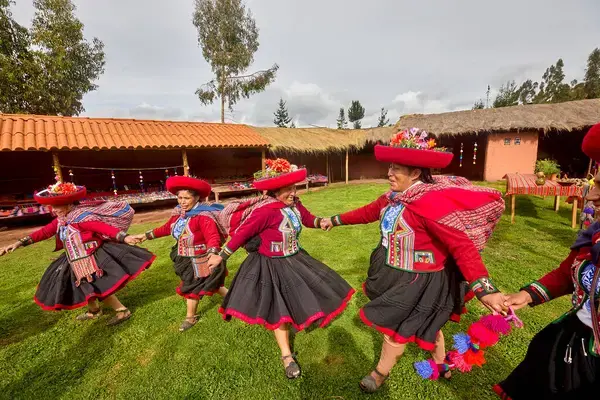
Visiting the Peruvian Highlands is an invitation to experience Peru beyond the surface. Here, you encounter landscapes that shift dramatically, from lush green valleys to barren high-altitude plains where llamas and alpacas roam freely. These contrasts make every journey different, with surprises waiting at every turn. The highlands are also home to countless cultural expressions, from traditional Andean weaving techniques to music played on ancient instruments, and festivals that transform small towns into lively celebrations filled with color and dance.
For adventure seekers, this is one of the best places in the world to hike. Some of the most legendary trekking routes are found here, offering a blend of physical challenge and cultural immersion. From remote paths leading to lesser-known ruins to multi-day expeditions that end at iconic destinations, the options are endless. Moreover, the highlands allow you to combine trekking with authentic cultural experiences, such as staying in local villages, trying regional cuisine, and observing traditional farming practices that remain unchanged for generations.
The highlands also serve as a living museum of history. Many areas still contain Inca and pre-Inca ruins that are less visited than Machu Picchu but equally impressive in scale and significance. Walking through these ancient sites often feels like stepping back in time, with fewer crowds and more space to connect with the past. Combined with the warm hospitality of Andean communities, this makes the highlands a destination where history and living traditions coexist seamlessly.
You might be interested in reading: Where to stay in Cusco 2026
Geography and climate of the Peruvian highlands
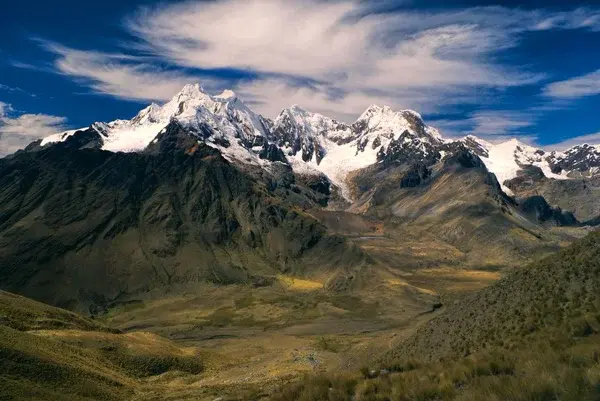
The geography of the Peruvian Highlands is as diverse as it is awe-inspiring. Dominated by the Andes mountain range, the region includes high-altitude plateaus, steep valleys, and glacial peaks that rise above 6,000 meters. The terrain is rugged and dramatic, with landscapes that constantly change depending on altitude and season.
The climate is equally varied. In general, the highlands experience two main seasons: the dry season, which runs from May to October, and the wet season, from November to April. The dry season is the best time for trekking, as clear skies reveal sweeping views of the mountains and trails are easier to navigate. During the wet season, rainfall transforms the landscape into lush greenery, but trails can become muddy and more challenging. Temperatures fluctuate dramatically, with warm days under the sun and cold nights that remind you of the altitude.
Travelers must always be prepared for these changes, as weather can shift quickly in the highlands. Packing layers, rain gear, and sun protection is essential, regardless of the season. Understanding the geography and climate also helps in planning treks and cultural visits, ensuring that you can fully enjoy all that the region has to offer.
Best experiences in the Peruvian highlands
The highlands are not defined by one single attraction but by a collection of extraordinary experiences that allow travelers to engage with nature, history, and culture. Below are some of the most remarkable activities and destinations that showcase the richness of this region.
1.Exploring Cusco and the Sacred Valley
Cusco, once the capital of the Inca Empire, is the gateway to the Peruvian Highlands. The city itself is a masterpiece of history, blending Inca stone foundations with colonial architecture. Walking through Cusco feels like entering an open-air museum, where every street and plaza tells a story. Beyond the city, the Sacred Valley unfolds with picturesque villages, fertile farmland, and ancient ruins such as Ollantaytambo and Pisac. This region serves as the perfect introduction to the highlands, offering a balance of cultural exploration and natural beauty.
Travelers can also embark on Cusco tours that highlight the diversity of the Sacred Valley, including visits to traditional markets, weaving workshops, and local farms where Andean crops like potatoes and quinoa have been cultivated for centuries. This mix of history, culture, and scenery makes Cusco and its surroundings one of the most essential destinations in the highlands.
2.Trekking routes in the highlands
The Peruvian Highlands are a paradise for trekkers, with trails that lead through some of the most breathtaking landscapes in the Andes. Each trek offers a unique combination of natural beauty and cultural immersion.
One of the most remarkable options is the Moonstone trek to Machu Picchu 5 days, a route that takes travelers along ancient Inca pathways while avoiding the crowds of the classic trail. This trek passes through remote villages and archaeological sites, offering a more intimate connection with the history and environment of the region.
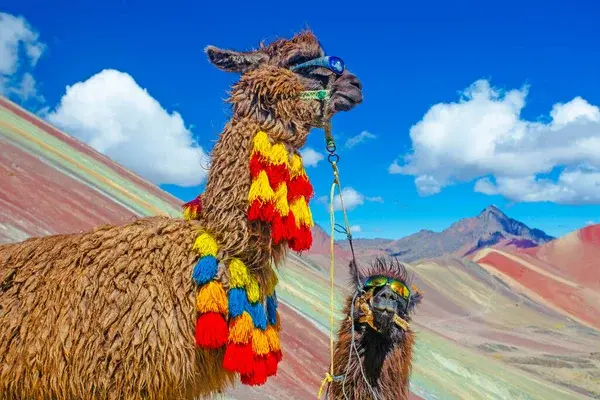
Equally captivating is the Ausangate trek to Rainbow Mountain 4 days, which showcases stunning glacial peaks and leads to the famous Vinicunca, also known as Rainbow Mountain. This trek is particularly appealing for those who want to experience high-altitude landscapes and the sacred mountains revered by Andean communities.
Other treks, such as the Ancascocha trek and Inca trail 7 days, combine breathtaking scenery with iconic destinations, providing travelers with the opportunity to explore both hidden gems and world-famous landmarks. These treks demonstrate the diversity of the highlands, where each route reveals a different side of the Andes.
You might be interested in reading: Feast of Saint Rose of Lima, Peru
Notable highlands in Peru
The Peruvian Highlands encompass many remarkable regions, each with its own unique character and attractions.
Huaraz and the Cordillera Blanca
Huaraz, located in northern Peru, is the base for exploring the Cordillera Blanca, the highest tropical mountain range in the world. Known for its jagged peaks, turquoise lakes, and challenging trails, this area is a paradise for climbers and trekkers. Huascarán, the highest mountain in Peru, dominates the skyline, while routes like Laguna 69 attract adventurers eager to witness stunning alpine scenery.
Puno and Lake Titicaca
Puno lies on the shores of Lake Titicaca, the highest navigable lake in the world. This region is renowned for its cultural significance, with floating islands made of reeds and communities that continue to live in harmony with the lake. Travelers can explore the islands, learn about traditional lifestyles, and experience a side of the highlands that is deeply connected to water and mythology.
Ayacucho
Ayacucho is less visited than other parts of the highlands, but it is rich in history and culture. Known for its colonial architecture and religious festivals, Ayacucho also holds archaeological sites that reveal its pre-Inca past. This city offers travelers a more off-the-beaten-path experience while still showcasing the traditions and landscapes of the highlands.
The Apurímac region and Pallay Punchu
The Apurímac region is home to Pallay Punchu, a striking mountain with multicolored formations similar to Rainbow Mountain but with fewer visitors. This destination has become increasingly popular among adventurous travelers who want to experience natural wonders away from the crowds. The region also offers opportunities to interact with local communities and explore landscapes shaped by centuries of tradition.
Wildlife of the Peruvian highlands
The biodiversity of the Peruvian Highlands is extraordinary, with ecosystems that vary depending on altitude and climate. At higher elevations, you can spot animals adapted to the cold and thin air, such as vicuñas, llamas, and alpacas. These animals are not only iconic symbols of the Andes but also vital to local economies, providing wool and serving as pack animals for trekking routes.
Birdwatchers will find the highlands equally rewarding, as the region is home to species like the Andean condor, one of the largest flying birds in the world. Wetlands and lakes also support diverse birdlife, making the highlands a great destination for those interested in nature and wildlife photography.
Exploring the highlands gives travelers the chance to witness how humans and animals coexist in these challenging environments. Traditional pastoralism, farming, and sustainable tourism ensure that the natural balance of the region is maintained while allowing communities to thrive.
Travel tips for the Peruvian highlands
To fully enjoy the Peruvian Highlands, preparation is key. The altitude is one of the most significant challenges, as many destinations are located above 3,000 meters. Travelers should take time to acclimatize, stay hydrated, and avoid overexertion in the first few days.
Packing essentials include warm clothing, rain gear, sunscreen, and sturdy hiking boots. While major cities like Cusco and Huaraz have good infrastructure, more remote areas require planning for limited services. Traveling with an experienced operator such as Peru Treks can make the journey smoother, ensuring that logistics, safety, and cultural interactions are handled with expertise.
Another essential tip is to remain respectful of local communities and traditions. The highlands are home to indigenous groups with unique customs and languages, and engaging respectfully with them enhances the authenticity of the experience.
Day trips and short adventures in Peru
Not all experiences in the highlands require multi-day treks. There are also excellent options for shorter adventures. For instance, a Machu Picchu Day Trip is perfect for travelers with limited time who still want to witness one of the wonders of the world. Similarly, day trips to nearby ruins, markets, or natural attractions allow visitors to sample the richness of the highlands without committing to longer itineraries.
These shorter excursions are ideal for those who prefer a balance between exploration and comfort, as they allow travelers to return to a comfortable base in Cusco or other cities at the end of the day.
You might be interested in reading: 12 Incredible typical Peruvian drinks | alcoholic
Why the Peruvian highlands should be on your list
The Peruvian Highlands are not just a destination; they are an experience that encompasses history, culture, and natural wonder. From the bustling streets of Cusco to the remote beauty of Pallay Punchu, this region reveals the essence of Peru in its most authentic form. The combination of awe-inspiring landscapes, deep-rooted traditions, and opportunities for adventure makes it one of the most rewarding places to explore.
Whether you embark on a multi-day trek like the Moonstone trek to Machu Picchu 5 days or immerse yourself in the cultural richness of Lake Titicaca, every moment in the highlands leaves a lasting impression. With proper preparation and an open heart, travelers will find that this region offers not only stunning scenery but also a chance to connect with the spirit of the Andes.
For anyone seeking a journey that goes beyond ordinary tourism, the Peruvian Highlands provide an unforgettable path filled with stories, landscapes, and traditions that will stay with you long after your trip ends.


