
Peruvian drinks are far more than beverages — they’re a reflection of Peru’s identity, heritage, and diversity. From the highlands of Cusco to the coastal streets of Lima and deep into the Amazon jungle, each region offers a distinctive flavor and tradition tied to its unique environment. Whether you’re toasting at a local festival, dining in a gourmet restaurant, or celebrating after a long trekking in Peru, understanding these drinks will help you connect more deeply with Peruvian culture. In this guide, we’ll explore 12 of the most typical alcoholic drinks in Peru, shedding light on their history, how they’re enjoyed today, and why each one matters.
What makes Peruvian drinks unique?
The diversity of climates and cultures in Peru results in a wide variety of ingredients used in local beverages. From sugarcane and native fruits on the coast to corn and herbs in the Andes, each drink carries a story of people, land, and tradition. Many drinks, like chicha or Pisco, date back to pre-Columbian and colonial times, yet they remain relevant in modern celebrations, rituals, and tourism experiences. This strong cultural connection is what makes Peruvian drinks more than just refreshments — they are storytellers in a glass.
The 12 most popular Peruvian drinks (Alcoholic)
Each of the following drinks is deeply rooted in the Peruvian experience. Whether you’re embarking on Cusco tours, dining after a hike, or relaxing in the Amazon, these drinks offer a taste of Peru’s complexity.
1. Pisco Sour
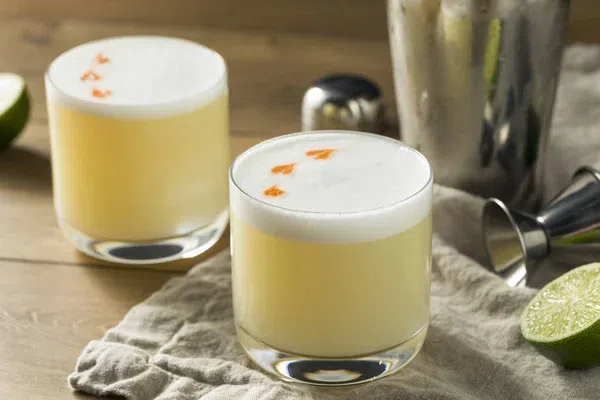
No list of Peruvian drinks is complete without the national cocktail: the Pisco Sour. Made with pisco (a grape-based brandy), lime juice, simple syrup, egg white, and a dash of bitters, this cocktail is beloved for its balance of sweet, sour, and smooth. Pisco has been produced in Peru since the 16th century and is fiercely protected as a national symbol. Pisco Sour is celebrated every year on the first Saturday of February, marking its significance in Peruvian identity. After completing the Inca trail tours, many visitors enjoy their first Pisco Sour while watching the sunset over the Andes, making it part of a truly unforgettable moment.
2. Chilcano
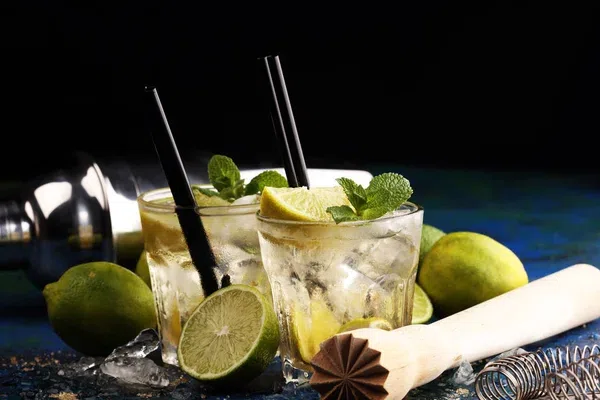
Another pisco-based favorite, the Chilcano is a refreshing mix of pisco, ginger ale, lime, and a touch of bitters. It’s lighter and less intense than the Pisco Sour, which makes it a popular daytime option. This drink has grown in popularity thanks to the “Chilcano Week” celebrations held each January in Peru. It’s ideal for hot days along the coast or to cool off after a hike like the Salkantay treks, offering a burst of energy and taste without the weight of a heavy cocktail.
3. Chicha de Jora (Fermented Corn Beer)
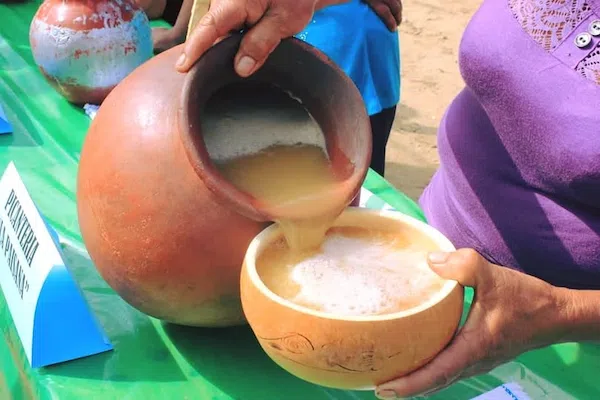
Dating back to Inca times, Chicha de Jora is a traditional fermented corn beer with deep cultural importance. Made from yellow corn, this drink is still widely produced and consumed in the Andes. It’s often offered during festivals and community celebrations, and it plays a role in many ceremonial rites. It’s common to find it being shared in clay pots among locals during events or even as a prelude to Manu tours Peru, where connection to nature and community is sacred.
4. Frutillada
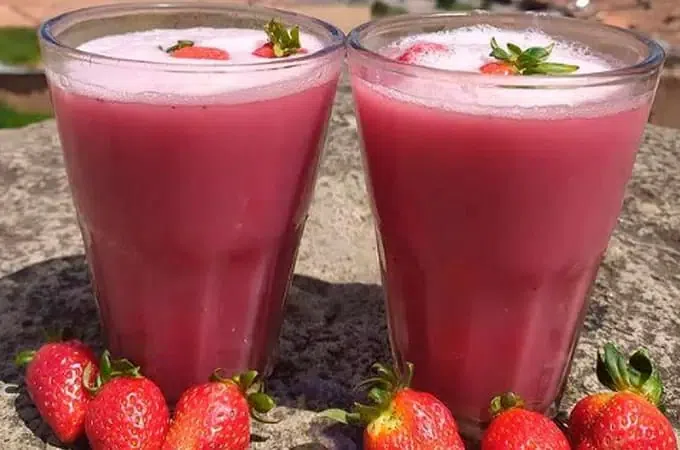
A sweeter, red-pink variation of chicha, Frutillada is made by adding strawberries and sugar to Chicha de Jora. This drink is particularly popular in Cusco and is associated with festivals and regional dances. Its low alcohol content and fruity flavor make it ideal for social drinking, often served in large glasses. Travelers exploring Cusco tours are often surprised to find that Frutillada tastes more like a fruity wine than a beer, making it a local favorite for those looking for a gentle introduction to Andean spirits.
5. Anís Najar
Anís Najar is a clear, sweet anise-flavored liquor from Arequipa, crafted since the 19th century. It’s traditionally consumed after meals as a digestive and often served with coffee or desserts. The production method involves distilling anise seeds with sugarcane alcohol. While not as famous as pisco, Anís Najar is a regional gem, showcasing Peru’s capacity for producing refined liquors beyond global exports. It pairs perfectly with a rich dessert after an Ausangate treks, giving the body and soul a warm closing to a high-altitude adventure.
6. Vino Peruano (Peruvian Wine)
Peruvian wine is experiencing a revival. With vineyards established in the Ica Valley since the Spanish colonial period, today’s Peruvian wines are becoming increasingly competitive. You’ll find dry reds, crisp whites, and some fantastic rosés. While overshadowed by Chilean and Argentine varieties in international markets, Peruvian wine is gaining prestige in local culinary circuits. After long days in the sun — perhaps exploring the Sacred Valley or finishing a multi-day adventure like the Choquequirao Trek 4 Days — a glass of local wine feels richly earned.
7. Beer (Cerveza Peruana)
While not uniquely Peruvian, local beers like Cusqueña, Arequipeña, and Pilsen Callao are integral to everyday life and celebrations. Cusqueña, brewed in the Andes, is especially popular among travelers and locals alike due to its rich flavor and branding that ties closely to Inca heritage. Beer is the go-to drink for casual get-togethers, sporting events, and traditional dishes like ceviche or anticuchos. After finishing the Ausangate treks, nothing beats an ice-cold beer under Andean skies.
8. Acholado Pisco
This specific blend of pisco uses multiple grape varieties, resulting in a complex and aromatic spirit. Acholado Pisco is often used in cocktails but can also be sipped neat. Its balanced character makes it ideal for those who want a smoother entry into the pisco world. While standard pisco is usually made from one grape, the acholado mix creates layers of aroma and flavor that express the richness of the Peruvian terroir — making it a favorite among connoisseurs and curious explorers alike.
9. Jungle Spirits: Masato and Caña
In the Amazon rainforest, the drinking traditions differ greatly. Masato is a fermented cassava drink made by indigenous communities, sometimes consumed as part of ritual events. On the stronger side, “caña” is a sugarcane spirit distilled and consumed locally. These drinks are rarely found in urban areas but are crucial to jungle hospitality and celebration. Travelers who choose Manu tours Peru may encounter these drinks during community visits, experiencing firsthand the powerful connection between land, people, and ancestral knowledge.
10. Leche de Monja (Nun’s Milk)
A rare but delicious liqueur, Leche de Monja is a creamy and sweet cocktail made from condensed milk, pisco or brandy, and egg yolk. It’s similar to eggnog but with a distinct Andean twist. Often made at home for special occasions, it symbolizes a blend of colonial European influence and Peruvian tradition. This is a hidden gem that adventurous foodies and spirit lovers might discover while exploring culinary routes in southern Peru or on private tours with a reliable Peru tour operator.
11. Canelazo
Canelazo is a warm Andean cocktail made with cinnamon, sugar, and aguardiente (sugarcane liquor). It’s typically enjoyed in colder highland regions, especially during the evenings or at festivals. The drink is comforting and aromatic, making it perfect for nights in Cusco or in mountain villages. It’s often enjoyed during festivals or as part of traditional highland meals, particularly after long days on routes like the Salkantay trek 5 Days, when warmth and comfort are essential.
12. Algarrobina Cocktail
This sweet and creamy drink is made from algarrobina (a syrup derived from the black carob tree), pisco, evaporated milk, egg yolk, and cinnamon. It’s often compared to a Peruvian-style white Russian or eggnog. While not as commonly found in bars, it’s a nostalgic and deeply local drink enjoyed especially in family settings or cultural celebrations. Its unique taste and rich consistency make it a favorite among those looking to explore lesser-known corners of Machu Picchu tours and beyond.
When and where to try Peruvian drinks
Many Peruvian drinks are seasonal or regional. For example, chicha de jora is more common during harvest festivals, while pisco-based cocktails are found year-round in urban centers. Visiting Peru during national celebrations or local festivals increases your chances of trying these drinks in their most authentic contexts. Signing up with a reliable Peru tour operator helps ensure that you gain deeper access to these experiences, often through curated cultural experiences or community-based tourism.
The connection between drinks and adventure in Peru
Experiencing Peruvian drinks goes hand in hand with exploring the country’s landscapes. Whether you’re hiking through the Andes or discovering archaeological sites, local beverages provide a sensory gateway into the culture. Many treks, such as the Inca Trail or Choquequirao trek 4 days, pass through small communities where these drinks are part of daily life. Sharing a cup of chicha or a sip of caña is not only refreshing but also builds bonds with the people who keep these traditions alive.
Drink to the spirit of Peru
Peruvian drinks are a celebration of identity, environment, and ancestral wisdom. Every ingredient tells a story, and every glass holds a piece of Peruvian soul. Whether you’re sipping a Pisco Sour after conquering the Inca trail or tasting Masato during a jungle expedition, these drinks invite you to slow down, share, and connect. So next time you’re in Peru — or dreaming about it — raise a glass to tradition, to flavor, and to the incredible journey that awaits.
Got Questions?
What is the origin of the Pisco Sour?
The Pisco Sour originated in Lima, Peru at Morris’ Bar. Victor V. Morris, an American bartender, started it in the early 20th century, and later Mario Bruiget refined the recipe—adding egg white and Angostura bitters—for the classic version known today.
When is National Pisco Sour Day celebrated in Peru?
National Pisco Sour Day is celebrated on the first Saturday of February each year. It was officially recognized in 2004 and includes nationwide tastings, competitions, and special restaurant promotions.
What is the traditional recipe for a Peruvian Pisco Sour?
A traditional Peruvian Pisco Sour includes:
- Pisco
- Fresh lime (or lemon) juice
- Simple syrup or jarabe de goma
- Egg white
- Angostura bitters (for garnish)
Prepare with a “dry shake” (without ice), then add ice and shake again. Strain into a chilled glass and finish with bitters.
What is Chicha de Jora and how is it traditionally prepared?
Chicha de Jora is an ancestral Peruvian corn beer, made by germinating maize (jora), mashing, boiling, and fermenting it—traditionally in clay vessels—for several days. It was commonly used in Inca ceremonies.
How is the Chilcano cocktail made?
The Chilcano is a refreshing Peruvian cocktail made by mixing pisco, fresh lime juice, and ginger ale over ice in a tall glass, often garnished with a lime slice (and optionally bitters).
What are some regional variations of the Pisco Sour within Peru?
Peru offers creative twists on the Pisco Sour, such as:
- Maracuyá Sour (passion fruit)
- Camu Camu Sour
- Coca Sour (infused with coca leaves)
These variations highlight Peru’s rich diversity and local ingredient traditions.
What is the difference between Peruvian and Chilean Pisco Sours?
The Peruvian Pisco Sour includes egg white, Angostura bitters, and fresh lime juice for a frothy, balanced flavor. The Chilean version typically skips the egg and bitters, often uses powdered sugar, and results in a simpler, sweeter cocktail.
How do locals typically enjoy Pisco besides the Pisco Sour?
Peruvians enjoy pisco in various ways—most popularly in a Pisco Sour or a Chilcano, and sometimes neat. It’s a versatile spirit celebrated across different regional cocktails.


