
Altitude is one of the most essential aspects to be taken into consideration when visiting the landscapes of Peru. Quite a few of the most popular places in the country, such as mountain areas and cities in the highlands, are situated at high altitudes, which can have a great impact on the human body. Altitude sickness in Peru is a phenomenon that a visitor should learn about before visiting these amazing places.
AMS is a type of altitude sickness when the body is unable to properly adjust to the shortage of oxygen in the atmosphere at high altitudes. Most of the natural marvels of Peru are elevated above 2,500 meters (8,200 feet), and travelers might suffer the effects if they elevate without adequately adapting to the atmosphere.
Why altitude sickness is common in Peru
The geography of the country is one of the primary causes of the prevalence of altitude sickness in Peru. The Andes Range passes through Peru, creating many highland areas where towns reside, cities are situated, and tourist sites are found.
A lot of tourists come directly to high altitude regions, without spending time to be able to acclimate to the regions. Such acute exposure enhances the risk of manifesting the symptoms within some hours. Secondly, busy travel plans tend to consist of long-term traveling that is a bit fast-paced, and as such, it adds to the issue.
Another significant cause of the problem is a lack of awareness. The virgin visitors fail to adhere to the rules of high altitude travel, and this aspect and its results are complicated by the underestimation of altitude effects, which cause discomfort that can be avoided.
At high altitude, how the human body reacts
You start feeling the effects of low oxygen levels on your body when you go to a place with high altitudes in Peru. This is referred to as acclimatization. Your body tries to take in more oxygen when your breathing rate increases. With time, your body increases the number of red blood cells to enhance the carrying of oxygen.
This process, however, is time-consuming. When you climb up too fast, your body is unable to cope in the proper way, and this leads to altitude sickness in Peru. This is one of the most crucial high altitude travel tips and the understanding of the process.
Types of altitude sickness
In Peru, altitude sickness is generally classified into 3 main categories:
Acute Mountain Sickness (AMS)
Acute mountain sickness is the least severe and the most common type of sickness. The symptoms of this type of sickness include fatigue, headache, nausea and dizziness.
High Altitude Pulmonary Edema (HAPE)
In High Altitude Pulmonary Edema (HAPE), the lungs fill with fluid, causing chest tightness and shortness of breath.
High Altitude Cerebral Edema (HACE ).
The worst-case scenario is where the brain swells up, resulting in confusion, inability to coordinate any movement, and unconsciousness.
It is necessary to identify these kinds to use relevant tips for high-altitude travel and be safe.

Causes and symptoms of altitude sickness in Peru
In Peru, altitude sickness is mainly caused by less amount of oxygen at high altitudes, where less dense air makes it difficult for the body to acquire enough oxygen. If the oxygen is not properly provided to the body, they severe so many health problems and not stay fit. Headache, dizziness, nausea, fatigue, shortness of breath, loss of appetite, and trouble sleeping, and it typically presents symptoms from 6 to 24 hours after arrival.
These symptoms are not usually severe, and they are temporary, but they might be severe when neglected, so early identification and action, including rest, descending, and getting medical care, is a necessity to travel safely.
Who is at the most risk?
In Peru, everyone can suffer from high altitude sickness, although some people are more prone to it. The absence of acclimatization and the history of altitude sickness in the past are the main risk factors, including a rapid ascent. People who have heart or lung diseases. Nevertheless, the symptoms are usually experienced even by physically fit persons who fail to observe the right high altitude travel tips.
The Significance of Acclimatization.
Acclimatization is the best practice in Peru to prevent high-altitude sickness. The body gradually adapts to them when Slow ascending reduces the oxygen levels. A few days of moderate altitude exercise before proceeding to greater altitudes will considerably decrease the risk. Essential is rest, hydration, and not a lot of activity during this period.
The Psychological Implications of the High Altitude.
High altitude can also impact human mental health. Irritability, changes in mood, and inability to concentrate in travelers when the oxygen level is low.
Hiking in Peru
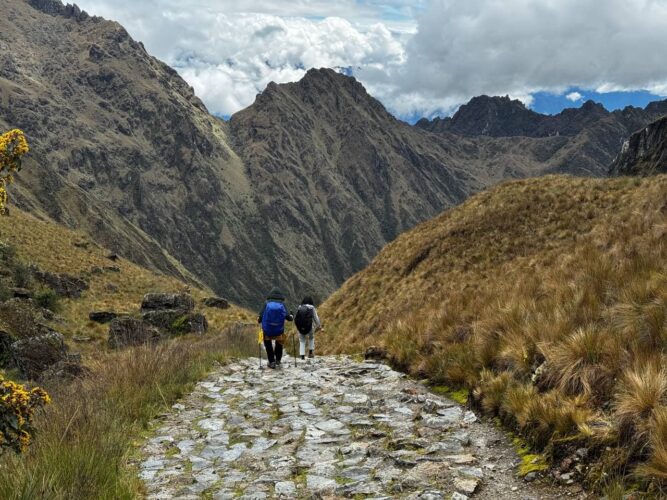
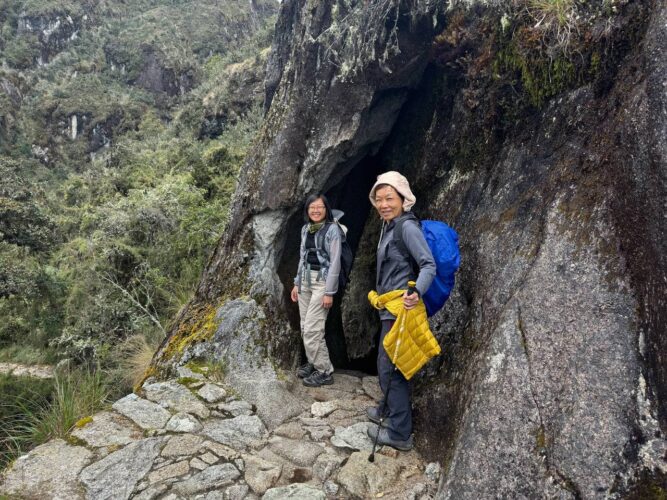
One of the important factors to prevent altitude sickness in Peru deals with preparation. It is valuable to research altitudes of the destinations, to plan slow travel, and to be equipped with necessities like medications and warm-up clothes. Here we have some beautiful treks in Cusco
In the management of altitude sickness in Peru
Nutrition and Hydration role in high altitude sickness. Water and food play a crucial role. Carbohydrates present in the food supply energy to the body, and excessive consumption of water aids the body in adapting to the situation. The most important things are to avoid excess caffeine, alcohol, and heavy metal food.
Good Prevention precautions for Altitude Sickness in Peru.
The ways of preventing altitude sickness in Peru are gradual ascending, body listening, and not overworking your body. Taking a rest as required and giving time to adapt is another important tactic.
These measures are the basics of an efficient high-altitude travel advice.
Drugs to deal with altitude sickness.
Pain killers could be used to decrease symptoms like headaches, and Acetazolamide can be used to assist with acclimatization. Before taking any medicine its better to seek medical advice.
Organic home remedies and traditional practices
Peru has popular remedies like coca tea to alleviate symptoms of elevation. Although they do not always work, most travelers find them useful with effective acclimatization.
Significance of Travelling Slows and Steadies.
Making hasty travel arrangements translates to a higher chance of getting altitude sickness in Peru. A reduced rate will be more adaptive, and the general experience will improve.
Adaptation to Physical Activity and Altitude.
The first few days at high altitude should be taken up easily. Gradually start to be more active, and your body adapts.
How to Sleep Up in the Air?
At high altitudes, sleep disorders are typical. It is possible to keep oneself hydrated, warm, and on a routine, which can enhance sleep quality.
Eat and do not eat at High Altitude.
Consume small, healthy foods that are high in carbohydrates. Avoid fatty and heavy food, which strains the digestive system.
Fluid Intake: An important Measure.
It is important to drink a lot of water. Dehydration increases symptoms, and hydration is one of the central aspects of high-altitude traveling tips.
Travel Itinerary Planning to be safe.
The threat of altitude sickness is minimized in Peru by taking a structured timetable whereby the altitude is to be stepped up slowly and alternating with rest days.
Severe Sickness at Altitude in an Emergency.
In serious conditions, urgent downward support and health care are required. Sometimes, symptoms should not be overlooked.
Real Traveler Experiences
A large number of passengers have symptoms that are mild, which correct themselves with rest. Others experience even more severe reactions, and it is crucial to prepare and be aware.
Comparison of Altitude Levels of the Peruvian country.
There is a high degree of altitude variation in Peru. These differences can be understood to aid in risk reduction and planning.
Most common mistakes that travelers can make?
The obvious mistakes, which result in the onset of altitude sickness in Peru, are ignoring acclimatization, dehydration, and over-scheduling.
Long-term Effects and Recovery.
The majority of cases clear in a few days. Acute cases need medical care and an effective time of recuperation.
Travelling with Family or Groups.
Various people respond differently to the altitude. Unwieldy planning guarantees security to all.
High-altitude living is associated with cultures.
Local communities have, over centuries, adjusted to those high altitudes and provide effective knowledge on how to cope with them.
Conclusion: Safe travel in Peru
The problem of altitude sickness in Peru is controllable. Knowing the right and high-altitude travelling tips, the tourists can enjoy a safe sightseeing of the beautiful landscapes of the country. It is all about preparation, knowledge, and appreciating your body to be able to make a potentially tough experience a fun and enjoyable one.


