
Peru is widely recognized as one of the most culturally rich countries in South America. Its history is a vibrant mix of ancient civilizations, Indigenous traditions, Spanish colonial influence, and regional customs that have been preserved for centuries. One of the most powerful ways to experience this cultural depth is through its celebrations. For many travelers, festivals in Peru are not just events on a calendar, but meaningful expressions of identity, history, and community.
Throughout the year, cities and small towns across the country come alive with music, colorful costumes, traditional dances, religious rituals, and local gastronomy. These celebrations offer visitors a unique opportunity to go beyond classic sightseeing and connect with the living culture of Peru. This is why many international travelers plan their trips specifically around festivals in Peru, choosing dates and destinations based on the celebrations they want to experience.
From ancient Inca ceremonies that honor the sun and the earth, to vibrant Catholic festivities introduced during colonial times, Peruvian festivals reflect a deep respect for heritage and tradition. They also reveal the diversity of the country, as each region celebrates in its own distinctive way. In this guide, we explore why travelers are drawn to these celebrations and take a closer look at some of the most colorful and iconic carnivals in the country.
Why travelers are drawn to Festivals in Peru
Travelers from all over the world are increasingly seeking authentic cultural experiences, and festivals in Peru offer exactly that. Rather than observing culture from a distance, visitors become part of the celebration, sharing moments with local communities and gaining a deeper understanding of the country.
One of the main reasons festivals are so appealing is Peru’s cultural diversity. The country is home to Andean, Amazonian, and coastal cultures, each with its own traditions, languages, and rituals. This diversity is reflected in the wide variety of festivals celebrated throughout the year, making every region feel unique and worth exploring.
Another key attraction is the blend of ancient traditions and Spanish influence. Many Peruvian festivals combine pre-Hispanic beliefs with Catholic practices, creating celebrations that are both spiritual and festive. Ancient rituals dedicated to nature, the sun, or the earth coexist with Christian processions, saints, and religious symbolism. This fusion gives festivals in Peru a depth and meaning that fascinates foreign visitors.
Music, dance, costumes, and food also play a central role. Traditional instruments, energetic dances, and elaborate outfits fill the streets with color and sound. Each festival has its own musical rhythms and dances, often passed down through generations. At the same time, food becomes an essential part of the celebration, allowing travelers to taste regional dishes that are rarely found outside their place of origin.
Finally, festivals offer authentic experiences that go far beyond typical tourism. Instead of visiting crowded attractions, travelers can witness real community life, participate in local traditions, and experience Peru as Peruvians do. For this reason, festivals in Peru have become a major motivation for cultural travelers, photographers, and adventure seekers looking for meaningful and memorable journeys.
You might be interested in: Peruvian carnivals 2026: Dates, Traditions and Best Places to Celebrate

Carnivals in Peru: The Most Colorful Celebrations
Among all festivals in Peru, carnivals stand out as some of the most joyful, lively, and visually striking celebrations. Taking place mainly between February and March, carnivals mark a time of communal joy, creativity, and cultural expression before the beginning of Lent.
Carnivals in Peru are known for their playful atmosphere, water games, music-filled streets, and strong sense of community. While the exact traditions vary by region, the spirit of celebration is shared across the country. For travelers, this season offers a unique chance to experience Peru at its most vibrant and festive.
1. Carnaval of Cajamarca: Peru’s Capital of Carnival
The Carnaval of Cajamarca is widely recognized as the most famous and lively carnival in the country, earning the city the title of Peru’s Capital of Carnival. Among all carnivals and festivals in Peru, this celebration stands out for its massive participation, colorful street scenes, and contagious energy that lasts for several days.
What makes Cajamarca’s carnival unique is its playful spirit. Water fights, paint, talcum powder, and flower petals fill the streets as locals and travelers join the celebrations together. Parades feature traditional music, brass bands, and creative costumes, many of them humorous or satirical. One of the most anticipated moments is the coronation of the Carnival King and Queen, which symbolizes the official opening of the festivities.
For international travelers, this carnival offers an unforgettable cultural immersion. The entire city becomes a stage, and visitors are encouraged to participate rather than just observe. It is one of the best examples of how festivals in Peru blend community, tradition, and joy.
Carnaval of Cajamarca – Dates & Travel Info
| Aspect | Details |
| Celebration period | February – early March |
| Peak days | Saturday to Tuesday before Ash Wednesday |
| Best time to visit | Carnival week (dates vary yearly) |
| Location | Cajamarca city |
| Travel tip | Book accommodation early due to high demand |
You might be interested in: Holy Week in Peru 2026: traditions and destinations

2. Ayacucho Carnival: Tradition, Dance and Andean Culture
The Ayacucho Carnival is one of the most traditional and culturally significant carnivals in the Andes. Known for its strong indigenous roots, this celebration highlights music, dance, and collective participation, making it one of the most authentic festivals in Peru for travelers seeking deep cultural experiences.
At the core of the Ayacucho Carnival are the comparsas—groups of dancers and musicians dressed in traditional attire who perform Andean songs and choreographies. These performances are deeply symbolic, often representing themes related to agriculture, community life, and ancestral beliefs. Unlike more commercial festivals, Ayacucho’s carnival maintains a strong sense of identity and heritage.
For foreign visitors, this carnival provides a rare opportunity to witness living Andean culture. The celebrations take place in plazas, neighborhoods, and rural communities, offering a more intimate and meaningful travel experience compared to mainstream tourism.
Ayacucho Carnival – Dates & Travel Info
| Aspect | Details |
| Celebration period | February |
| Peak days | Weekend before Ash Wednesday |
| Best time to visit | Main carnival weekend |
| Location | Ayacucho city and surrounding towns |
| Travel tip | Ideal for cultural travelers and photography lovers |
You might be interested in: Complete guide to go to Peru in february 2026
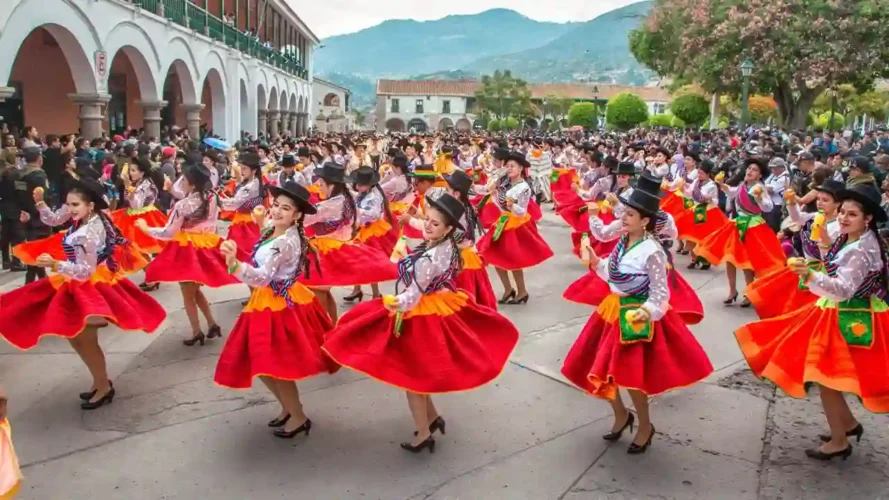
3. Cusco Carnival: Celebration in the Heart of the Andes
The Cusco Carnival combines Andean traditions with colonial influences, creating a unique celebration in one of Peru’s most iconic destinations. While Cusco is globally known for Machu Picchu, its carnival season reveals another side of the city and its living traditions, making it a must-see among festivals in Peru.
One of the central rituals of the Cusco Carnival is the yunza, a decorated tree filled with gifts. Participants dance around it, taking turns cutting it down, symbolizing abundance and community unity. Water games, music, and neighborhood celebrations fill the streets, creating a festive atmosphere throughout the city.
For travelers, the Cusco Carnival is perfect for combining cultural celebrations with historical exploration. It offers a chance to experience local life beyond the typical tourist routes while still enjoying Cusco’s rich heritage.
Cusco Carnival – Dates & Travel Info
| Aspect | Details |
| Celebration period | February – early March |
| Peak days | Sunday and Monday before Ash Wednesday |
| Best time to visit | Carnival weekend |
| Location | Cusco city |
| Travel tip | Combine with cultural tours and nearby ruins |
You might be interested in: Complete guide to summer in Peru
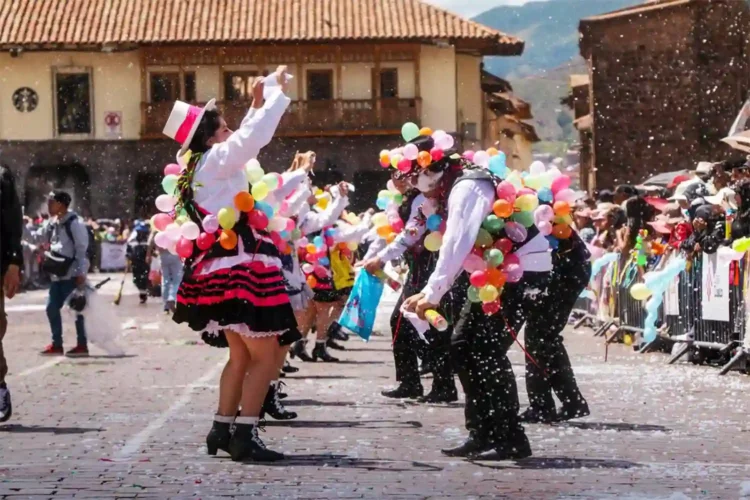
4. Huaraz and Andean Carnivals: Authentic Mountain Celebrations
Carnivals in Huaraz and other Andean towns offer a more local and less crowded alternative for travelers looking for authenticity. Set against dramatic mountain landscapes, these celebrations focus on community traditions, music, and rituals tied to nature and agricultural cycles.
In Huaraz, carnival activities include traditional dances, water games, and neighborhood gatherings, often accompanied by regional food and live music. Because these celebrations attract fewer international tourists, they allow visitors to connect more closely with local communities and experience a slower-paced, more genuine side of festivals in Peru.
These mountain carnivals are ideal for travelers who enjoy off-the-beaten-path destinations and want to combine cultural experiences with outdoor adventures in the Andes.
Huaraz & Andean Carnivals – Dates & Travel Info
| Aspect | Details |
| Celebration period | February |
| Peak days | Weekend before Ash Wednesday |
| Best time to visit | Carnival weekend |
| Location | Huaraz and surrounding Andean towns |
| Travel tip | Perfect for travelers seeking authenticity and nature |
You might be interested in: A complete guide to carnivals in Peru 2026

Most Important Festivals in Peru Throughout the Year
Peru is home to some of the most diverse and meaningful celebrations in South America. Beyond carnivals, the country hosts religious, cultural, and ancestral festivals that take place throughout the year, attracting travelers from all over the world. These festivals in Peru are deeply connected to Inca heritage, Andean spirituality, Catholic traditions, and regional identities, offering visitors unforgettable cultural experiences.
Many international travelers plan their trips specifically around these events, as they provide a unique opportunity to witness living traditions, colorful ceremonies, and community celebrations that go far beyond typical sightseeing. From ancient Inca rituals to massive religious processions, Peru’s festival calendar reflects the soul of the country.
Below are some of the most important festivals in Peru that take place throughout the year and continue to fascinate travelers seeking culture, history, and authenticity.
1. Inti Raymi: The Festival of the Sun in Cusco
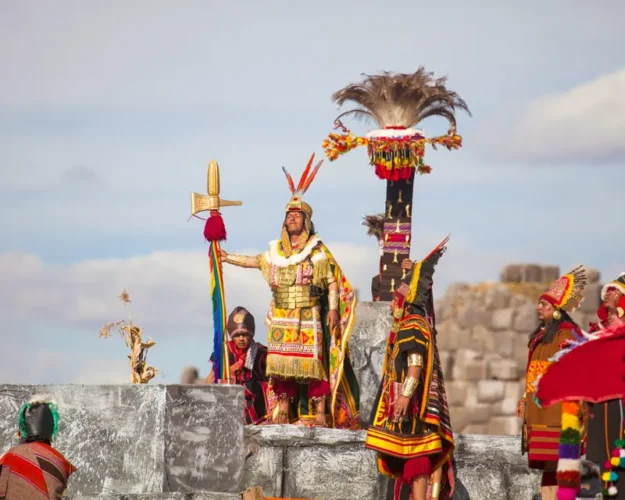
Inti Raymi is one of the most famous and iconic festivals in Peru, celebrated every year in Cusco on June 24th. This ancient Inca festival honors Inti, the Sun God, who was considered the most important deity in the Inca Empire. Originally performed during the winter solstice, Inti Raymi symbolized renewal, gratitude, and the beginning of a new agricultural cycle.
Today, Inti Raymi is a grand historical reenactment that takes place in three main locations: the Qorikancha (Temple of the Sun), the Plaza de Armas, and the archaeological site of Sacsayhuamán. Actors dressed in elaborate Inca costumes recreate rituals, offerings, and ceremonies in Quechua, bringing Inca history vividly to life.
International travelers are especially drawn to Inti Raymi because it offers a powerful connection to Peru’s pre-Columbian past. The scale of the event, the dramatic performances, and the stunning Andean landscapes make it one of the most unforgettable festivals in Peru. Many visitors plan their entire Peru itinerary around this celebration, combining it with visits to Machu Picchu and other Sacred Valley sites.
Inti Raymi is ideal for travelers interested in history, culture, and photography, as it provides a rare opportunity to witness one of the most important cultural events in South America.
You might be interested in: How to Visit Machu Picchu from Cusco: in 2026 – 2027 Best Routes, Tours & Tips
2. Holy week in Ayacucho
Semana Santa (Holy Week) in Ayacucho is considered one of the most important religious festivals not only in Peru, but in all of South America. This deeply spiritual celebration takes place in March or April, depending on the Catholic calendar, and transforms the city into a center of devotion, art, and tradition.
Ayacucho is known as the “City of Churches,” and during Semana Santa, its colonial streets host solemn processions, religious ceremonies, and symbolic rituals that represent the Passion, Death, and Resurrection of Christ. Each day of the week features different processions, with elaborately decorated floats, candles, flowers, and sacred music.
What makes Semana Santa in Ayacucho particularly special is the way Catholic traditions blend with Andean cultural elements. Local communities actively participate, creating floral carpets, traditional foods, and nighttime vigils that reflect centuries-old customs.
For international travelers, this festival offers a profound cultural and emotional experience. It attracts visitors interested in religious tourism, cultural heritage, and authentic local traditions. Among all festivals in Peru, Semana Santa in Ayacucho stands out for its intensity, symbolism, and strong community involvement.
You might be interested in: What to Pack for a Manu Jungle Tour: Essential Packing List

3. Virgen de la Candelaria in Puno
The Virgen de la Candelaria festival, celebrated in Puno near Lake Titicaca, is one of the largest and most vibrant cultural events in Peru. Held in February, this festival honors the Virgin of Candelaria, the patron saint of Puno, and combines Catholic devotion with Andean music and dance traditions.
Recognized by UNESCO as Intangible Cultural Heritage of Humanity, the festival features massive dance competitions, colorful costumes, brass bands, and folkloric performances that fill the streets for several days. Thousands of dancers and musicians participate, representing different regions and cultural groups.
Travelers love this festival because it showcases the incredible diversity of Andean folklore. The dances, such as the Diablada and Morenada, are visually spectacular and deeply symbolic. The proximity to Lake Titicaca also allows visitors to combine the festival with cultural excursions to the floating islands of the Uros and Taquile.
Among the many festivals in Peru, Virgen de la Candelaria is especially appealing to travelers interested in music, dance, and indigenous culture.
You might be interested in: Salkantay Trek vs Inca Trail: Which One Is the Best Trek to Machu Picchu?

4. Qoyllur Rit’i: A Unique Andean Pilgrimage
Qoyllur Rit’i is one of the most unique and mystical festivals in Peru. This Andean pilgrimage takes place high in the mountains near Cusco, usually between May and June, and combines pre-Hispanic beliefs with Catholic symbolism.
Thousands of pilgrims travel to the Sinakara Valley to honor the Lord of Qoyllur Rit’i, participating in rituals that involve music, dance, prayer, and symbolic acts connected to nature and the cosmos. The festival is deeply spiritual and reflects the Andean worldview, where mountains (Apus) are considered sacred beings.
Unlike more mainstream festivals, Qoyllur Rit’i is an off-the-beaten-path experience. It attracts travelers seeking deeper cultural understanding and meaningful encounters with indigenous traditions. Due to its altitude and physical demands, it is recommended for experienced travelers with an interest in anthropology, spirituality, and adventure.
This festival highlights the diversity of festivals in Peru and demonstrates how ancient beliefs continue to shape modern cultural expressions.
Festival Calendar in Peru: When to Plan Your Trip
Understanding when festivals take place is essential for travelers planning their journey. Below is a simple festival calendar that helps identify the best months to experience major festivals in Peru.
| Month | Festival | Location |
| February | Carnivals | Cajamarca, Ayacucho, Cusco |
| June | Inti Raymi | Cusco |
| July | Virgen del Carmen | Paucartambo |
| November | Virgen de la Candelaria | Puno |
This calendar is especially useful for international travelers who want to align their trip with cultural events and maximize their experience of festivals in Peru.
Best Destinations in Peru for Festival Lovers
Peru offers several destinations that are perfect for travelers who want to experience multiple festivals throughout the year. Each region has its own cultural identity and celebrations, making the country incredibly diverse.
Cusco
Cusco is undoubtedly the top destination for festival lovers. With events like Inti Raymi, Cusco Carnival, and Qoyllur Rit’i nearby, the city offers year-round cultural experiences. Its historical significance and proximity to iconic sites make it a favorite among international travelers.
Puno
Puno is the heart of Andean folklore and music. The Virgen de la Candelaria festival alone makes it one of the most important festival destinations in Peru. Combined with Lake Titicaca’s cultural attractions, Puno offers a rich and immersive experience.
Cajamarca
Cajamarca stands out for its legendary carnival celebrations. Travelers looking for colorful, joyful, and interactive festivals in Peru often choose Cajamarca for its festive atmosphere and strong local participation.
Ayacucho
Ayacucho is ideal for travelers interested in tradition, religion, and Andean culture. Semana Santa and its carnival celebrations showcase the city’s deep-rooted customs and community spirit.
Lima
While often seen as a gateway city, Lima also hosts numerous cultural festivals, food events, and religious celebrations. Its world-renowned gastronomy and vibrant cultural scene make it an excellent complement to festival-focused travel.
You might be interested in: Which Is the Best Time to Visit Manu National Park (Manu Jungle)?

Travel Tips for Experiencing Festivals in Peru
Experiencing festivals in Peru can be one of the most memorable moments of any trip, but proper planning is essential. These celebrations often attract large crowds, especially international travelers, and take place in different regions with varying climates and cultural norms. The following tips will help you enjoy Peru’s festivals comfortably, respectfully, and safely.
– Book Tours and Accommodation in Advance
One of the most important travel tips for festivals in Peru is to plan ahead. Popular events such as Inti Raymi, Virgen de la Candelaria, and major carnivals can attract thousands of visitors. Hotels, transportation, and guided tours often sell out weeks or even months in advance.
Booking early not only ensures availability but also allows you to choose better-located accommodations and well-organized tours. Many travelers prefer guided experiences during festivals to avoid logistical challenges and gain deeper cultural insights.
– Respect Local Traditions and Customs
Festivals in Peru are deeply rooted in local identity, spirituality, and community life. While visitors are welcome, it is important to be respectful of traditions, religious practices, and social norms. During religious festivals, photography may be restricted in certain moments, and appropriate behavior is expected.
Participating respectfully—observing ceremonies, following local guidance, and engaging with communities in a mindful way—enhances the experience and helps preserve these traditions for future generations.
– Choose the Right Accommodation
Accommodation options vary depending on the location and scale of the festival. In major cities like Cusco or Puno, travelers can find a wide range of hotels, boutique lodgings, and hostels. In smaller towns, availability may be limited, so booking in advance is crucial.
For travelers seeking comfort and proximity to festival activities, staying near historic centers or main plazas is often ideal. For those looking for quieter experiences, accommodations slightly outside the city center may offer a better balance.
– Prepare for Weather and Dress Accordingly
Peru’s diverse geography means that weather conditions can vary significantly from region to region. Coastal areas tend to be mild, while the Andes can experience strong sun during the day and cold temperatures at night.
When attending festivals in Peru, it is advisable to dress in layers, wear comfortable walking shoes, and bring sun protection. During carnivals, especially, you may want to wear clothes that can get wet or stained, as water games are common.

Experience Festivals in Peru with Guided Tours
For many international travelers, the best way to experience festivals in Peru is through guided tours. These experiences provide structure, cultural context, and access to local knowledge that can be difficult to obtain independently.
1. Cultural Tours Designed Around Festivals
Festival-focused tours are carefully designed to align travel itineraries with Peru’s most important celebrations. These tours often combine festival participation with visits to historical sites, local communities, and regional attractions, offering a well-rounded cultural experience.
Travelers benefit from optimized schedules, transportation logistics, and insider access to key events, ensuring they don’t miss the most meaningful moments of each festival.
2. Local Guides and Cultural Insight
Local guides play a crucial role in enhancing the festival experience. Their knowledge of history, traditions, and cultural symbolism helps travelers understand the deeper meaning behind the celebrations. Instead of simply watching, visitors gain insight into why these festivals matter to local communities.
Guides also help navigate crowds, explain customs, and facilitate respectful interaction with locals, making festivals in Peru more accessible and enriching.
3. Authentic Immersion and Meaningful Experiences
Guided tours focused on festivals prioritize authenticity and cultural immersion. Travelers can experience traditional music, dance, gastronomy, and rituals in a way that feels personal and genuine.
For those who want more than surface-level tourism, guided festival experiences offer a deeper connection to Peru’s culture, people, and living traditions.
Why Festivals in Peru Are More Than Just Celebrations
Festivals in Peru are not just events on a calendar; they are expressions of history, identity, and collective memory. Each celebration tells a story—of ancient civilizations, colonial influence, spiritual beliefs, and community resilience.
Through music, dance, rituals, and shared joy, festivals offer travelers a unique way to understand Peru’s soul. They reveal how the past and present coexist, how traditions are preserved, and how communities come together to celebrate life.
For those seeking meaningful travel experiences, festivals in Peru provide more than entertainment. They offer connection, learning, and unforgettable moments that stay with you long after the journey ends.


