
2027 is just around the corner, bringing with it a whole range of new adventures to take part in. And there’s no better place to experience them than in Peru, a country full of diverse activities that invite you to become part of celebrations where you can experience its traditions firsthand; traditions that have been practiced for many years. This is where the carnivals in Peru come in, considered among the most joyful and colorful celebrations in all of Latin America.
You can take part in these festivities between February and March, and the best part is that they are not limited to just one city. They take place across the coast, the jungle, and the highlands of the country, allowing you to discover destinations filled with music, color, and, above all, people who celebrate their cultural expressions with great joy. If you are a traveler looking for unique ways to welcome the year, this is a valuable option that offers an unforgettable experience while also giving you the chance to learn more about some of Peru’s most famous archaeological sites. In this guide, we tell you everything you need to know to take your first step into these celebrations.
You might also be interested in: How to Visit Machu Picchu from Cusco: in 2026 Best Routes, Tours & Tips
What makes carnivals in Peru so unique
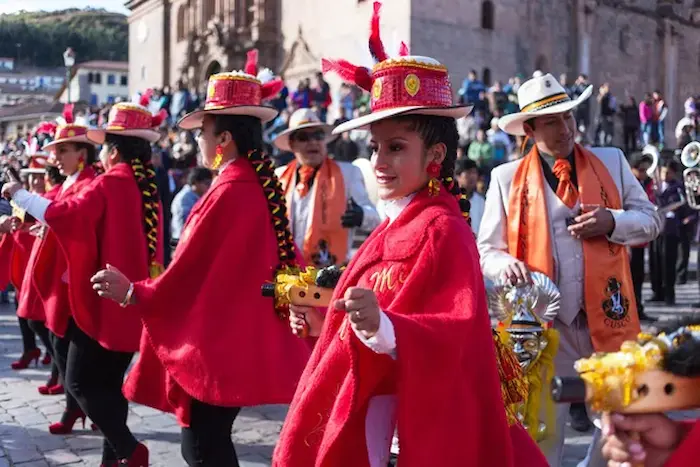
Carnivals in Peru represent a deep connection between history, community, and cultural identity that has been preserved for centuries. These festivities blend ancient Andean traditions with colonial influences, creating celebrations that vary greatly from one region to another. From the highlands to the coast, each town expresses its own worldview through music, dances, rituals, and collective joy, making Peruvian carnivals a truly diverse and meaningful experience for travelers.
At their core, these celebrations reflect the strong relationship between people, nature, and spirituality. Carnival season often coincides with agricultural cycles, symbolizing gratitude for the land, fertility, and abundance. This ancestral meaning is what sets Peruvian carnivals apart from many other festivities around the world.
Cultural roots and Andean traditions
The origins of carnival celebrations are deeply rooted in Andean cosmology. Communities honor Pachamama (Mother Earth) through rituals, offerings, and communal gatherings. Water games, traditional songs, and symbolic acts represent renewal and harmony with nature.
Influence of Spanish and modern festivities
Over time, Spanish colonial customs blended with indigenous practices, shaping the modern form of carnivals in Peru. Elements like masks, costumes, and European-style music were incorporated, while contemporary celebrations now include concerts, parades, and tourism-driven events. Despite these changes, the essence of Peruvian carnivals remains authentic, community-centered, and deeply cultural.
You might also be interested in: What to Pack for a Manu Jungle Tour: Essential Packing List
When and where carnivals in Peru are celebrated
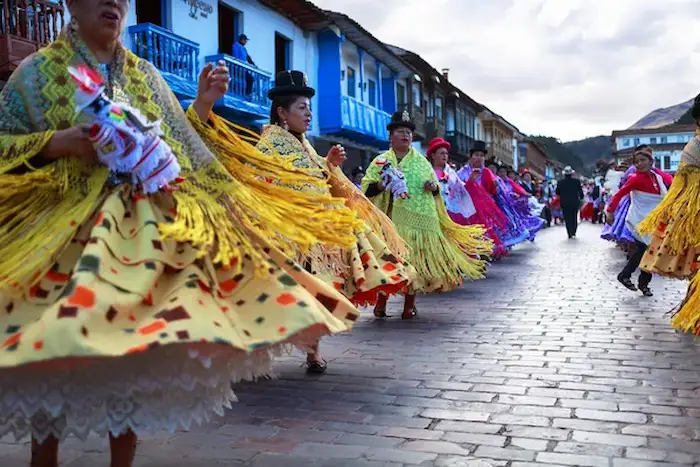
Carnivals in Peru are celebrated mainly in February and early March, just before the beginning of Lent. During this time, cities and towns across the country turn into vibrant stages of music, color, and tradition. While carnival festivities can be found nationwide, some destinations stand out for the scale, history, and cultural depth of their celebrations. Planning your trip around these key locations allows you to experience the diversity that defines Peru carnivals.
Carnival season and key dates
The peak of carnivals in Peru takes place in February, with some events extending into early March depending on the region and local traditions. The most important celebrations usually happen in the days leading up to Ash Wednesday. One of the most renowned events is the Cajamarca Carnival, often referred to as the “Capital of Peruvian Carnival,” where parades, music, and water fights dominate the streets for several days. In southern Peru, Puno’s festivities overlap with the celebration of the Virgin of Candelaria, blending religious devotion with large-scale dance performances. Due to the high demand for this season, it is recommended to book accommodations and transportation well in advance.
Coastal, Andean and Amazonian celebrations
Peru’s carnivals reflect the country’s rich cultural diversity. In Andean regions such as Cusco and Cajamarca, traditional customs like the yunsada, a ritual involving music, dancing, and a decorated tree, are central to the celebrations. These areas emphasize community participation, ancestral rituals, and symbolic connections to nature. In cities like Arequipa, carnivals combine traditional elements with modern parades and concerts. Meanwhile, coastal and Amazonian regions tend to showcase more contemporary celebrations, incorporating local rhythms, costumes, and lively street festivities. This contrast between regions highlights why carnivals in Peru offer such a unique and varied cultural experience for travelers.
The most famous carnivals in Peru you should experience
Carnivals in Peru are celebrated in many regions, but some destinations stand out for their history, scale, and cultural richness. These iconic festivities attract both locals and travelers who want to experience authentic traditions, vibrant parades, and unforgettable moments. Exploring the most famous carnivals in Peru allows you to understand how each region expresses its identity through music, rituals, and collective celebration.
You might also be interested in: Salkantay Trek vs Inca Trail: Which one is the best trek to Machu Picchu?
Cajamarca carnival, the capital of Peruvian carnivals
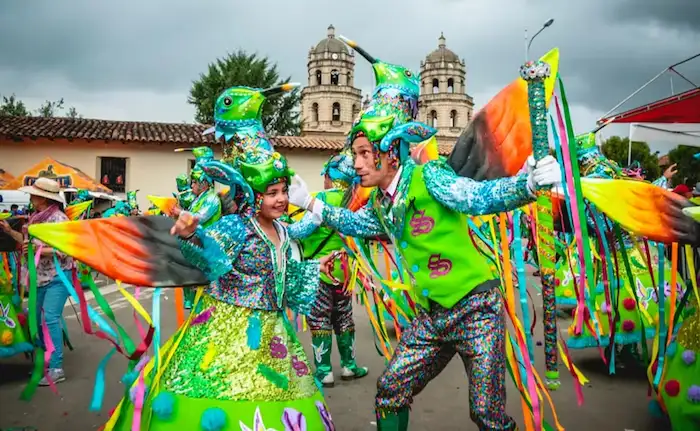
The Cajamarca Carnival is widely recognized as the most important and famous carnival in the country, earning its title as the “Capital of Peruvian Carnival.” Its origins date back to colonial times, blending Spanish customs with strong Andean influences. The celebration features colorful parades, satirical costumes, live music, and massive water and paint battles that take over the city. One of the highlights is the symbolic burial of King Momo, which marks the playful spirit and joyful excess that define carnivals in Peru.
You might also be interested in: Which is the best time to visit Manu National Park (Manu Jungle)?
Ayacucho carnival, tradition and color in the Andes
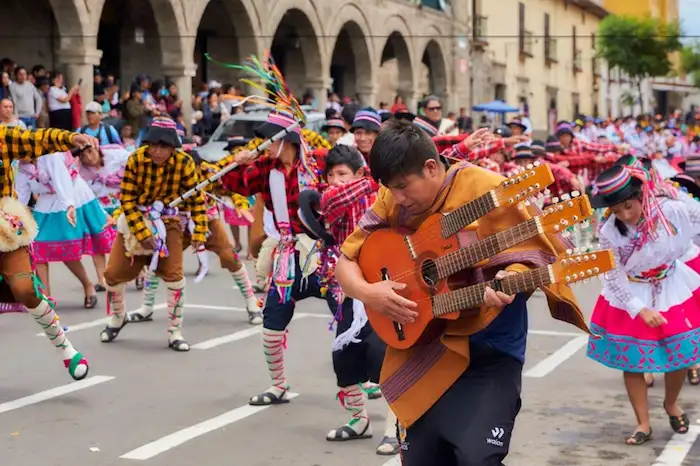
Ayacucho’s carnival is known for its strong sense of tradition and community participation. Unlike larger urban celebrations, this carnival preserves ancestral customs through folk music, traditional dances, and symbolic rituals. Local neighborhoods organize their own festivities, creating an intimate and authentic atmosphere. The Ayacucho Carnival reflects the cultural resilience of the Andes and showcases a more traditional side of carnivals in Peru, deeply rooted in history and collective identity.
You might also be interested in: Inca Trail packing list 2026 | Discover the best complete guide
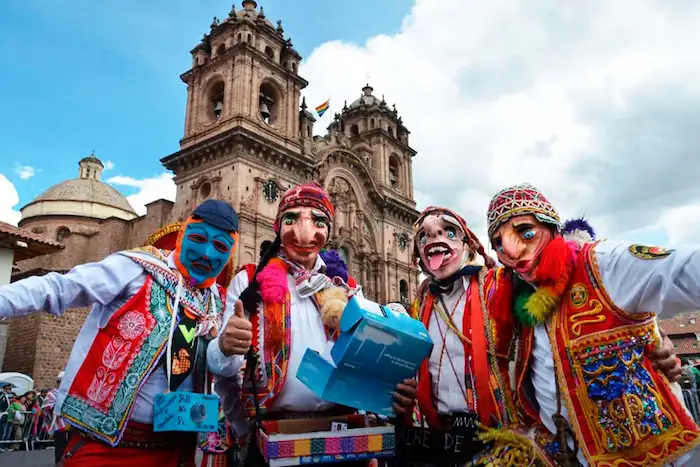
Cusco carnival, Andean rituals and water games
Carnivals in Cusco combine ancient Andean rituals with joyful modern celebrations. Water fights are one of the most characteristic elements, symbolizing purification and renewal. Traditional foods, such as timpu or other regional dishes, are shared among families and visitors. Music, dances, and community gatherings fill the streets, offering travelers a unique opportunity to experience living Andean traditions during carnival season in Peru.
If you have extra time in Cusco, our Sacred Valley private tours offer another way to experience the region’s archaeological sites, local markets and Andean landscapes.
Make Machu Picchu part of your Cusco trip
Combine time in Cusco during carnival season with a visit to Machu Picchu. Compare tour itineraries and choose an option that fits your travel dates and available time.
View Machu Picchu toursYou might also be interested in: How to choose the best trekking boots
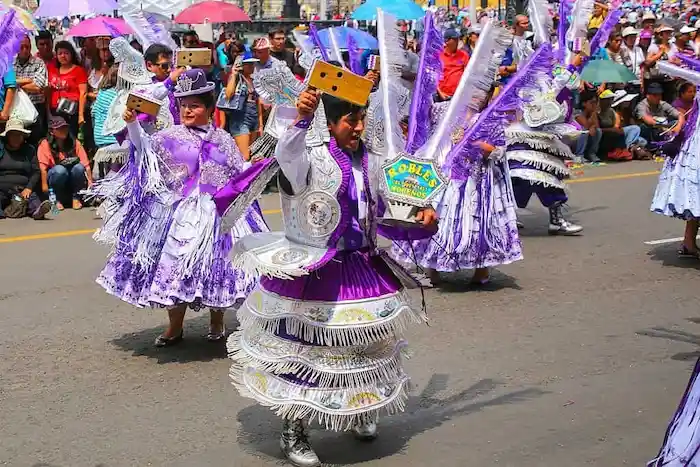
Puno and the highland carnivals
In the highlands, particularly in Puno, carnival celebrations are closely linked to cultural and religious traditions. These festivities often coincide with the celebrations of the Virgin of Candelaria, featuring impressive dance performances and elaborate traditional costumes. The highland carnivals emphasize choreography, music, and symbolism, making them some of the most visually striking carnivals in Peru.
Traditional customs during carnivals in Peru
Carnivals in Peru are characterized by a rich blend of traditions that combine joy, symbolism, and community engagement. These customs have been passed down through generations and vary from region to region, yet they all share a strong sense of celebration and cultural identity. Taking part in these practices allows visitors to experience carnivals in Peru beyond the visual spectacle, connecting with the meaning behind each ritual.
Water fights, paint and playful traditions
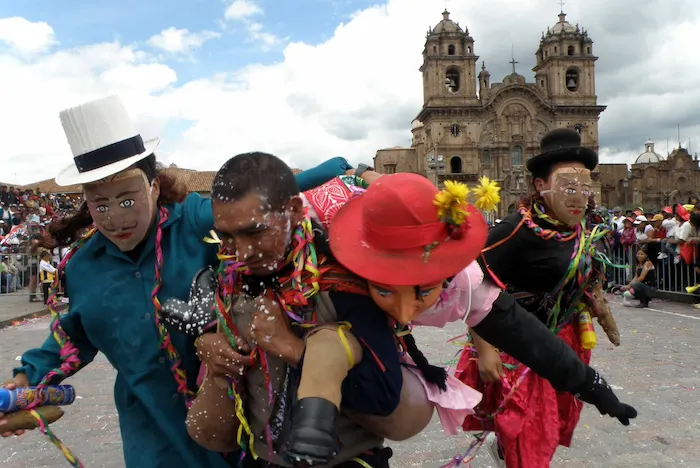
One of the most recognizable customs during carnivals in Peru is the widespread use of water, paint, and colored powders. Streets turn into playful battlegrounds where locals and visitors joyfully splash water on each other, symbolizing purification, renewal, and abundance. While these games are fun and spontaneous, they also reflect the communal spirit that defines carnival season across the country.
Music, dances and colorful costumes
Music and dance are at the heart of carnivals in Peru, turning streets and main squares into lively cultural stages. Each region expresses its identity through distinctive rhythms, movements, and visual elements that have been preserved for generations. These artistic expressions are not just performances, but a way for communities to tell their history and celebrate collective identity.
Some of the most representative elements include:
- Traditional dances, such as huayno in the Andes, are commonly performed during carnival gatherings and reflect themes of love, nature, and daily life.
- Folk music ensembles, featuring instruments like charangos, pan flutes, drums, and guitars that set the rhythm for parades and communal dances.
- Colorful costumes, often handmade, showcase bright fabrics, embroidery, masks, and accessories that represent local myths, agricultural symbols, or historical figures.
- Dance competitions and parades, especially in larger carnivals, are held where groups perform choreographed routines as part of the celebration.
Together, music, dance, and costumes make carnivals in Peru a vibrant and immersive cultural experience, where tradition and creativity come together in every movement and sound.
Typical food and drinks during carnival season
Food plays an essential role during carnival season, serving as a symbol of abundance, hospitality, and community bonding. After hours of dancing and celebrations, sharing traditional dishes becomes an important part of the experience. Each region offers its own flavors, closely linked to local ingredients and customs.
Some typical foods and drinks enjoyed during carnivals in Peru include:
- Puchero or sancochado, a hearty stew prepared with meat, vegetables, and grains, is commonly shared during Andean carnivals.
- Tamales and empanadas, easy-to-share foods that are popular during street celebrations.
- Chicha de jora, a traditional fermented corn drink often associated with ancestral rituals and communal gatherings.
- Local sweets and breads, prepared especially for carnival days and sold in markets and festivals.
These culinary traditions add depth to carnivals in Peru, allowing travelers to connect with local culture through taste, conversation, and shared moments around the table.
You might also be interested in: Quechua language: History, importance and modern use in Peru
Tips for travelers visiting carnivals in Peru
Visiting carnivals in Peru can be an unforgettable experience, especially if you are prepared and know what to expect. These celebrations are joyful, energetic, and deeply rooted in local traditions, so a few practical tips can help you enjoy them comfortably and respectfully. Whether you are traveling independently or with the support of a Peru tour operator, planning ahead will allow you to make the most of carnival season.
What to wear and what to bring
During carnivals in Peru, comfort and practicality are key. Water fights, paint, and long hours of celebration are common, so it’s best to dress accordingly.
Some useful recommendations include:
- Comfortable, casual clothing that you don’t mind getting wet or stained.
- Light layers, especially useful in Andean regions, where temperatures can change throughout the day.
- Comfortable walking shoes suitable for cobblestone streets and long walks.
- Waterproof protection for phones, cameras, and important documents.
- Sunscreen and a hat, particularly in high-altitude destinations.
Safety and cultural respect
While carnivals in Peru are generally safe and welcoming, it’s important to participate responsibly. Respecting local customs ensures a positive experience for both visitors and communities.
Keep the following in mind:
- Avoid throwing water or paint at people who are clearly not participating, such as elderly locals or vendors.
- Keep personal belongings secure in crowded areas.
- Follow local guidance and respect traditional rituals and ceremonies.
- Be mindful of alcohol consumption, especially in public spaces.
Best destinations for first-time visitors
For travelers experiencing carnivals in Peru for the first time, some destinations offer a good balance between cultural authenticity and tourist-friendly infrastructure.
Recommended options include:
- Cajamarca, known for its lively atmosphere and well-organized celebrations.
- Cusco, where Andean traditions blend with accessible tourism services.
- Arequipa offers a mix of cultural events and modern festivities.
These destinations provide an excellent introduction to the diversity and spirit of carnivals in Peru, making them ideal starting points for first-time visitors.

Why tourists love carnivals in Peru?
Every year, thousands of international travelers plan their trips around the vibrant carnivals in Peru, attracted by a unique combination of music, colorful traditions, delicious food, and authentic cultural experiences. Unlike many carnival celebrations around the world that focus mainly on parades and parties, carnivals in Peru reflect centuries of indigenous heritage blended with Spanish colonial influences, creating festivities that are both joyful and deeply meaningful.
One of the reasons visitors love carnivals in Peru is that every region celebrates differently. Traveling during carnival season allows you to discover a wide variety of customs, from the famous water games in Cusco to the spectacular parades in Cajamarca and the traditional dances of the southern Andes. Each destination offers its own identity, making it possible to experience multiple celebrations in a single trip.
Another highlight is the opportunity to interact with local communities. During carnivals in Peru, families, musicians, artisans, and dancers welcome visitors to join the festivities. Rather than being spectators, tourists often become part of the celebration by participating in traditional dances, tasting regional cuisine, or enjoying local music alongside residents.
Photography enthusiasts also find carnivals in Peru especially rewarding. Colorful costumes, flower decorations, painted streets, traditional masks, and lively performances create endless opportunities to capture memorable images while learning about Peru’s rich cultural heritage.
For travelers seeking authentic experiences beyond famous attractions like Machu Picchu, carnivals in Peru provide an excellent opportunity to discover living traditions that continue to be celebrated by communities across the country.
Which carnival in Peru is best for you?
Choosing among the many carnivals in Peru depends on the type of experience you’re looking for. Some festivals are known for their massive parades and concerts, while others offer more traditional Andean rituals or family-friendly celebrations.
The following comparison can help you decide which destination best matches your travel style.
| Carnival destination | Best for | Main highlights |
| Cajamarca | Large celebrations | Massive parades, music, costumes, vibrant atmosphere |
| Cusco | Culture and traditions | Water games, Andean rituals, local communities |
| Ayacucho | Folklore lovers | Traditional dances, colonial streets, authentic celebrations |
| Puno | Indigenous culture | Highland traditions, colorful costumes, regional dances |
| Amazon region | Unique experiences | Indigenous customs, jungle festivities, local traditions |
Cajamarca: Peru’s carnival capital
Often referred to as the “Capital of Peruvian Carnival,” Cajamarca hosts one of the largest and most energetic carnivals in Peru. Visitors can enjoy impressive parades, live music, dance competitions, and elaborate costumes that fill the streets with color for several days.
Cusco: Tradition meets celebration
Cusco offers a completely different perspective on carnivals in Peru. Alongside playful water fights, travelers can witness ceremonies, traditional dances, and celebrations that reflect the region’s strong Andean identity. It is an excellent destination for visitors interested in combining history, culture, and local traditions.
Ayacucho: Authentic Andean folklore
Ayacucho is famous for preserving many of Peru’s oldest customs. During carnival season, its historic center becomes a stage for traditional music, colorful dances, and community celebrations that remain deeply connected to local heritage.
Puno: Highland traditions
Located near Lake Titicaca, Puno presents one of the most culturally rich carnivals in Peru. Traditional costumes, indigenous music, and ancestral dances make this destination particularly attractive for travelers interested in folklore and cultural diversity.
Amazon celebrations
Although less known internationally, several Amazonian communities celebrate carnival with their own traditions, incorporating local music, indigenous customs, and jungle culture into festivities that differ greatly from those found in the Andes.

What should you expect during carnivals in Peru?
If you’re planning to experience carnivals in Peru for the first time, it’s helpful to know what awaits you. While every region celebrates differently, several traditions are common throughout the country.
Water games and playful traditions
One of the most famous customs during carnivals in Peru is the tradition of throwing water. In many cities, friends and families playfully splash each other using water balloons, buckets, or water guns.
For tourists, this can be a fun surprise—but it also means carrying waterproof protection for phones, cameras, and important belongings.
Music and traditional dances
Music is at the heart of every carnival celebration. Throughout carnivals in Peru, visitors will hear traditional Andean instruments such as panpipes, drums, and charangos accompanying energetic performances in streets and public squares.
Dance groups wearing colorful costumes often perform choreographies that represent local history, agriculture, mythology, and religious traditions.
Colorful costumes and community parades
Expect streets filled with vibrant costumes decorated with embroidery, feathers, flowers, ribbons, and masks. Many communities spend months preparing these outfits, making the parades one of the visual highlights of carnivals in Peru.
Each costume tells a story, reflecting regional identity and centuries-old traditions that continue to be proudly preserved.
Traditional food and local flavors
Food also plays an important role during carnivals in Peru. Depending on the region, visitors can enjoy dishes such as puchero, tamales, humitas, roasted meats, and refreshing traditional drinks prepared especially for the celebration.
Trying local cuisine is one of the best ways to fully experience the spirit of carnivals in Peru, as every destination proudly showcases its own culinary traditions alongside music and dance.
A celebration of culture and hospitality
Perhaps the most memorable aspect of carnivals in Peru is the warmth of the people. Travelers are often welcomed into celebrations with genuine hospitality, creating opportunities to learn about local customs, participate respectfully in festivities, and experience Peru’s rich cultural diversity far beyond its famous archaeological sites.

Can tourists participate in carnivals in Peru?
Absolutely. One of the reasons carnivals in Peru are so memorable is that visitors are encouraged to experience the celebrations alongside local communities rather than simply watch from the sidelines. Whether you’re attending a large city festival or a small village celebration, you’ll quickly notice that the atmosphere is welcoming, festive, and inclusive.
However, participating respectfully is essential. Every region celebrates differently, and some traditions have religious or cultural significance beyond the music and festivities. Taking a few moments to understand local customs will help you enjoy carnivals in Peru while showing appreciation for the communities that keep these traditions alive.
Here are a few recommendations:
- Join public dances when invited.
- Ask permission before photographing people in traditional clothing.
- Protect your phone and camera from unexpected water games.
- Follow the instructions of local organizers during parades.
- Respect religious ceremonies and traditional rituals.
By approaching the celebrations with curiosity and respect, you’ll discover that carnivals in Peru offer far more than entertainment—they provide an opportunity to experience Peru’s living cultural heritage firsthand.
Carnival traditions you shouldn’t miss
Although every destination celebrates differently, there are several traditions that define carnivals in Peru and make the experience unforgettable for both locals and international visitors.
Yunza or Cortamonte
One of the most iconic traditions during carnivals in Peru is the Yunza, also known as Cortamonte.
Communities decorate a large tree with gifts, ribbons, balloons, and prizes. Couples dance around it while taking turns chopping the trunk with an axe. When the tree finally falls, everyone rushes to collect the presents attached to its branches.
The family or couple responsible for bringing down the tree usually organizes the celebration the following year, ensuring that the tradition continues.
Comparsas and street parades
Comparsas are organized groups of dancers and musicians who perform choreographed routines while wearing colorful regional costumes.
Each comparsa represents local identity through music, traditional clothing, and performances inspired by agriculture, history, or indigenous customs. Watching these parades is one of the highlights of carnivals in Peru, especially in Cajamarca, Ayacucho, and Puno.
Traditional music and Andean dances
Music fills the streets throughout carnival season.
Visitors can enjoy performances featuring panpipes, drums, charangos, and brass bands while dancers perform traditional choreographies that have been passed down for generations.
These artistic expressions showcase the cultural diversity that makes carnivals in Peru unique compared to celebrations elsewhere in South America.
Water games and playful celebrations
Perhaps the best-known tradition for first-time visitors is the famous water games.
Friends, families, and even strangers often splash each other with water balloons, buckets, or water guns as a playful symbol of joy and renewal.
Although participation is generally friendly, it’s wise to protect your belongings and wear clothes that can get wet.

What to eat during carnivals in Peru?
Food is an essential part of carnivals in Peru, and every region celebrates with dishes that reflect local traditions and seasonal ingredients.
One of the best-known carnival meals is Puchero, especially popular in Cusco. This hearty dish combines beef, pork, potatoes, cabbage, chickpeas, corn, sweet potatoes, and seasonal fruits, creating a festive meal shared by families and communities.
Other traditional foods you may encounter include:
- Humitas, made from fresh corn.
- Tamales, wrapped in corn husks or banana leaves.
- Grilled meats served during public celebrations.
- Fresh local breads and regional desserts.
Traditional drinks also accompany many festivities, including chicha de jora, a fermented corn beverage that has been enjoyed since pre-Columbian times.
Trying these regional specialties is one of the best ways to experience the authentic spirit of carnivals in Peru, as gastronomy plays an important role in bringing families and communities together.
Why carnivals in Peru should be on every traveler’s bucket list
There are countless reasons to visit Peru, from Machu Picchu and the Sacred Valley to the Amazon Rainforest and Lake Titicaca. Yet many travelers discover that carnivals in Peru become one of the most memorable parts of their journey because they offer something that famous landmarks cannot: the opportunity to experience Peru’s living culture.
Unlike events created specifically for tourists, carnivals in Peru remain authentic community celebrations where traditions are preserved through music, dance, food, and family gatherings. Every parade, costume, and ritual tells a story that has been passed down for generations.
Whether you choose the lively streets of Cajamarca, the Andean traditions of Cusco, the colorful folklore of Ayacucho, or the indigenous celebrations of Puno, each destination offers a unique perspective on Peru’s extraordinary cultural diversity.
If your goal is to experience Peru beyond its archaeological wonders, planning your visit during carnivals in Peru is an excellent choice. You’ll return home not only with incredible photographs but also with unforgettable memories, meaningful cultural encounters, and a deeper appreciation for one of South America’s richest and most vibrant traditions.
Why carnivals in Peru are an unforgettable cultural experience
Now that you know more about your first adventure in Peru in 2027: The carnivals in Peru, you have probably realized that this is a celebration you should experience at least once in your lifetime. The excitement and vibrant colors found throughout these festivities are truly thrilling and meaningful, as they blend joy with the history each city or community has lived through, making their identity more present than ever.
This can be clearly seen in public life, in the dances, and in the rituals that you may witness, depending on the carnival you visit. Experiencing the carnivals in Peru allows you, as a visitor, to take a step closer to these traditions and enjoy an experience that anyone who loves discovering new cultures dreams of living. Nothing compares to taking part in these celebrations firsthand and being able to tell the story of your own experience.


