
Holy Week in Peru is far more than a religious observance; it is a profound cultural experience that reveals the country’s history, spirituality and collective identity. Every year, during this sacred period, cities and towns across Peru transform as traditions passed down for centuries come alive through processions, rituals, music and communal gatherings.
For travelers seeking meaningful experiences, Holy Week in Peru offers a unique opportunity to witness how faith, art and local customs intertwine. From the coastal cities to the Andean highlands, each region celebrates Holy Week in its own way, yet all share a deep sense of devotion. Among these destinations, Ayacucho stands out as the most emblematic place to experience the intensity and symbolism of this sacred week.
What is Holy Week in Peru and why is it so important?
Holy Week in Peru commemorates the final days of Jesus Christ’s life, from his entry into Jerusalem to his crucifixion and resurrection. Introduced during the Spanish colonial period, these religious traditions gradually merged with Andean beliefs and local cultural expressions, creating a celebration that is uniquely Peruvian. Today, many travelers combine this cultural experience with other activities such as peru trekking tours, allowing them to explore the country’s landscapes while gaining a deeper understanding of its spiritual and historical heritage.
What makes Holy Week in Peru especially significant is the way it goes beyond church ceremonies. Entire communities participate in the rituals, preparing altars, organizing processions and preserving traditions that have been practiced for generations. For many Peruvians, this week represents a time of reflection, unity and respect for cultural heritage, while for visitors it becomes an immersive experience that offers insight into the country’s spiritual roots.
You might be interested in: Complete guide to go to Peru in february 2026
How Holy Week is celebrated across Peru
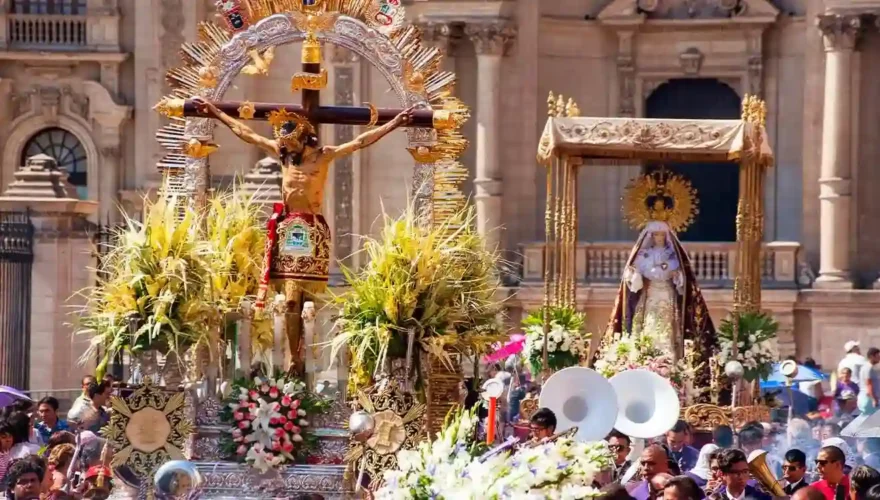
Although Holy Week is observed nationwide, the way it is celebrated varies considerably depending on the region. Geography, history and local traditions all influence the rituals, creating distinct experiences throughout the country.
1. Holy Week in Ayacucho: the most iconic celebration
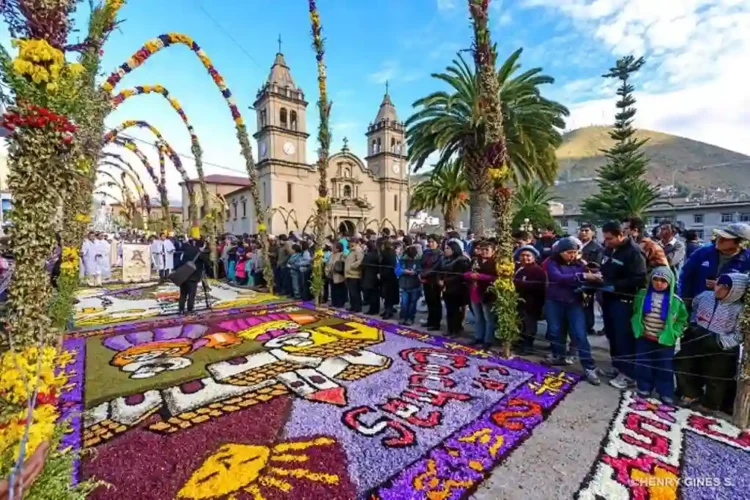
Holy week in Ayacucho is widely regarded as the most important and visually striking Holy Week celebration in Peru. Known as the “City of Churches,” Ayacucho becomes the spiritual epicenter of the country during these days. The city hosts dozens of processions, each one carefully planned and deeply symbolic, attracting thousands of visitors from Peru and abroad.
What sets holy week in Ayacucho apart is the intensity of its rituals. Streets are illuminated with candles, floral carpets are meticulously arranged, and religious images are carried through the city in solemn processions that often last for hours. The atmosphere is both reverent and emotional, making it an unforgettable experience even for those who are not religious.
2. Holy Week in Cusco
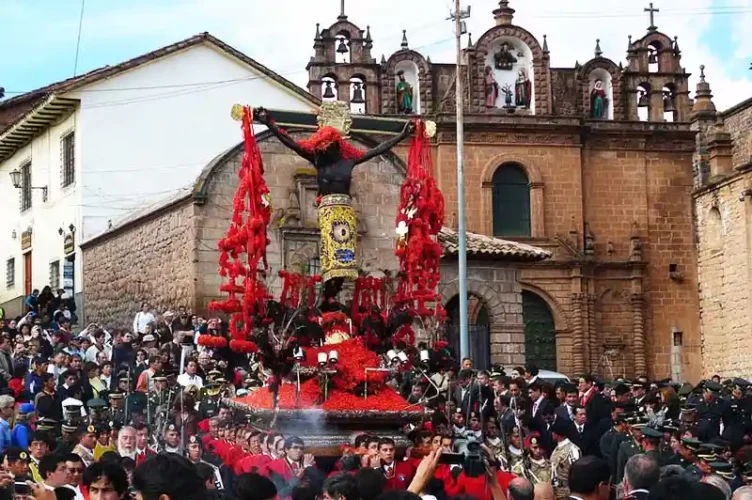
In Cusco, Holy Week blends Catholic traditions with Andean spirituality. One of the most important events is the procession of the Lord of the Earthquakes, a revered image believed to protect the city. This celebration reflects the strong connection between faith and indigenous identity, offering a different but equally meaningful perspective on Holy Week in Peru.
3. Holy Week in Lima
Holy Week in Lima has a more urban character, yet it remains deeply traditional. Historic churches open their doors to the public, religious routes are organized throughout the city, and cultural activities complement the spiritual observances. For travelers, Lima offers a chance to experience Holy Week while also exploring museums, gastronomy, and colonial architecture, making it an ideal destination for those who wish to balance cultural immersion with short adventures such as the Short Inca Trail 2 days, often added before or after their stay in the capital.
4. Other destinations where Holy Week is celebrated
Beyond Ayacucho, Cusco and Lima, Holy Week is also significant in cities such as Arequipa, Huancayo and Cajamarca. Each destination adds its own cultural elements, from regional music to local culinary traditions, enriching the overall experience of Holy Week in Peru.
You might be interested in: Complete guide to summer in Peru
Why international travelers are drawn to Holy Week in Peru
In recent years, Holy Week in Peru has captured the attention of international travelers looking for authentic cultural experiences. Unlike purely touristic festivals, Holy Week offers a rare opportunity to witness living traditions that remain deeply meaningful to local communities.
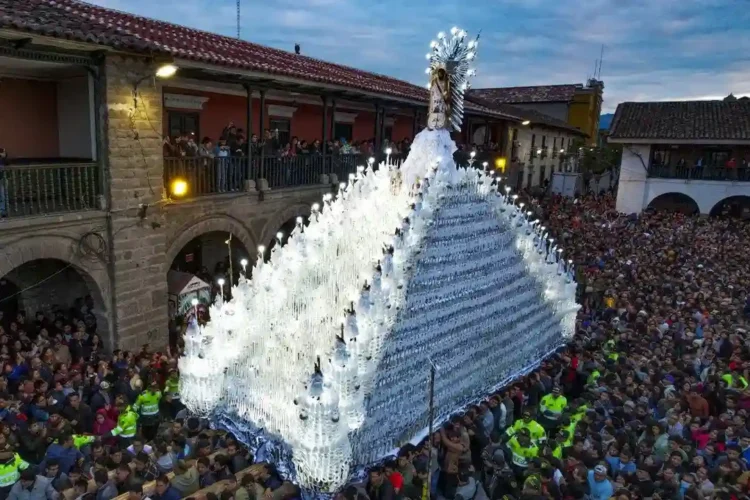
Travelers are often drawn by the visual impact of the celebrations: candlelit processions, elaborate religious imagery and historic cityscapes create a powerful atmosphere. Beyond aesthetics, many visitors are moved by the emotional depth of the rituals, which convey a sense of collective devotion and cultural continuity that is increasingly rare in modern life.
You might be interested in: A complete guide to carnivals in Peru 2026
What to expect during Holy Week in Ayacucho
Experiencing Holy Week in Ayacucho means immersing yourself in a city transformed by faith and tradition. During this week, daily life slows down as religious observances take center stage, and both residents and visitors become part of a shared cultural moment. Many international travelers combine this profound cultural experience with nature and adventure elsewhere in the country, often extending their journey with iconic routes such as the Salkantay Trek 5 Day, creating a balanced itinerary that blends spiritual heritage with Peru’s breathtaking landscapes.
Processions and religious rituals
Processions are the heart of holy week in Ayacucho. Each day is marked by a specific religious event, with images of Christ and the Virgin Mary carried through the streets by devoted participants. These processions often begin at night and continue until dawn, accompanied by prayers, hymns and the soft glow of thousands of candles.
The atmosphere in the city
During Holy Week, Ayacucho’s streets, plazas and neighborhoods are filled with a unique blend of silence, music and devotion. The city feels both solemn and alive, as families, travelers and religious groups gather to observe and participate. This atmosphere creates a sense of unity that defines the experience of holy week in Ayacucho.
Food and traditions during Holy Week
Food also plays an important role during Holy Week in Ayacucho. Traditional dishes prepared specifically for this time of year are shared among families and visitors, reinforcing the communal spirit of the celebration. While gastronomy is not the central focus, it complements the rituals and adds another layer to the cultural experience.
You might be interested in: How to Visit Machu Picchu from Cusco: in 2025 – 2026 Best Routes, Tours & Tips
When does Holy Week in Peru take place? (Dates and timing)
Holy Week in Peru does not have fixed dates, as it follows the Christian liturgical calendar. Each year, it usually takes place between late March and mid-April, depending on the date of Easter Sunday. This variability is important for travelers to consider, especially those planning long trips or booking flights well in advance.
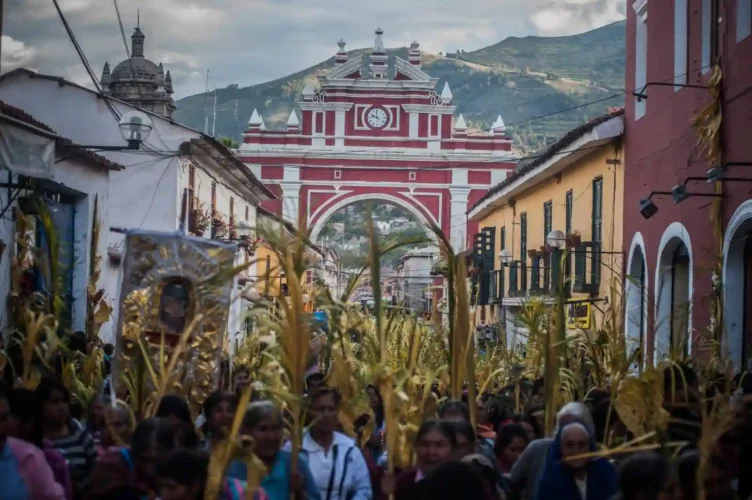
The celebration officially begins on Palm Sunday, which commemorates the entrance of Jesus into Jerusalem. From that moment on, religious activities, processions, and cultural events gradually intensify throughout the week. The most significant and emotionally charged days are Holy Thursday and Good Friday, when solemn processions, reenactments of the Passion, and moments of reflection take place across the country.
Easter Sunday marks the end of Holy Week in Peru and represents resurrection, hope, and renewal. In many cities, this day is celebrated with a more joyful atmosphere, combining religious ceremonies with local traditions, music, and family gatherings.
For travelers interested in experiencing Holy Week in Peru, timing is essential. This period coincides with one of the busiest travel seasons in the country, both for domestic and international tourism. Planning ahead allows visitors to fully enjoy the experience without logistical stress, especially in destinations where Holy Week plays a central role in local identity, such as Ayacucho.
Travel tips for experiencing Holy Week in Peru
Experiencing Holy Week in Peru can be deeply rewarding, but it also requires preparation. Below are practical tips to help travelers make the most of their journey while respecting local customs and traditions.
1. Best time to arrive
Arriving at least two or three days before Palm Sunday is highly recommended. This allows travelers to acclimate, explore the destination, and understand the local context before the main religious events begin. In cities like Ayacucho, the atmosphere starts changing days in advance, with streets being decorated, churches preparing altars, and locals rehearsing processions.
Arriving early also helps avoid transportation delays, which are common during Holy Week due to increased demand. Flights, buses, and local transport tend to fill up quickly, especially on the days leading up to Good Friday.
2. Accommodation and reservations
Holy Week is considered peak season in many parts of Peru. Hotels, hostels, and short-term rentals often reach full capacity weeks or even months in advance, particularly in destinations known for their religious celebrations.
Booking accommodation early not only ensures availability but also gives travelers more options in terms of location and comfort. Staying close to historic centers or main squares can enhance the experience, as many processions and events take place within walking distance.
In Ayacucho, demand increases significantly during Holy Week, so early reservations are essential for those who want to fully experience the celebrations without last-minute inconveniences.
3. Cultural respect and participation
Holy Week in Peru is not just a tourist attraction; it is a deeply meaningful religious and cultural event for local communities. Travelers are encouraged to participate respectfully and observe local customs.
Dress codes tend to be modest, especially when attending processions or entering churches. Neutral colors and comfortable clothing are recommended, as many events involve long walks or standing for extended periods.
Silence and respectful behavior are expected during solemn moments, particularly on Good Friday. Photography is usually allowed, but it should be done discreetly and without interrupting religious ceremonies.
Engaging with the celebrations with an open mind and cultural sensitivity allows visitors to experience Holy Week not just as spectators, but as participants in a living tradition.
You might be interested in: Salkantay Trek vs Inca Trail: Which One Is the Best Trek to Machu Picchu?
Holy Week in Peru, a journey beyond religion
Holy Week in Peru is far more than a religious event; it is a profound cultural journey that brings together history, faith, art, and community. From the coastal cities to the Andean highlands, each region adds its own identity to the celebration, creating a diverse and immersive experience for travelers.
Among all destinations, Ayacucho stands out as the heart of Holy Week celebrations, offering one of the most intense and authentic experiences in the country. Its processions, traditions, and strong community involvement make it a place where visitors can truly understand the spiritual and cultural depth of the event.
For those seeking meaningful travel experiences, Holy Week in Peru offers a unique opportunity to connect with local traditions, reflect on shared human values, and witness centuries-old rituals that continue to shape Peruvian identity. It is a journey that goes beyond religion, inviting travelers to experience Peru through its faith, history, and people.


