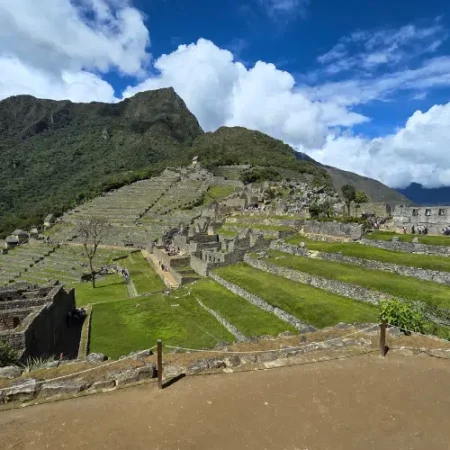
Inca Trail packing list essentials are one of the most important things to prepare before starting your journey to Machu Picchu. The trail is not just a hike; it is a once in a lifetime adventure through the heart of the Andes, combining history, nature, and endurance. Whether you’re a seasoned trekker or it’s your first time hiking in Peru, packing smartly can make the difference between a comfortable experience and an exhausting one. This complete guide covers everything you need to bring for a successful trek, including tips on weather, altitude, and how to keep your backpack light while staying fully equipped.
Why packing right matters for the Inca Trail
Packing for the Inca Trail is not like preparing for a regular vacation. The terrain changes constantly, from lush valleys to high mountain passes over 4,200 meters. Temperatures can swing from hot sun during the day to freezing cold at night. Having the right equipment helps you adapt to all these conditions comfortably. You also need to consider the weight restrictions imposed by porters, so every item should serve a real purpose. Being selective and well-prepared is key to fully enjoying this legendary trek.
You might be interested in reading: The Peruvian Highlands: Complete travel guide
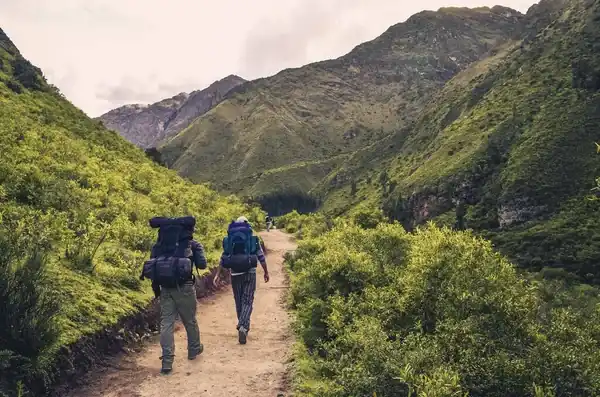
Must-know before you pack for the Inca Trail
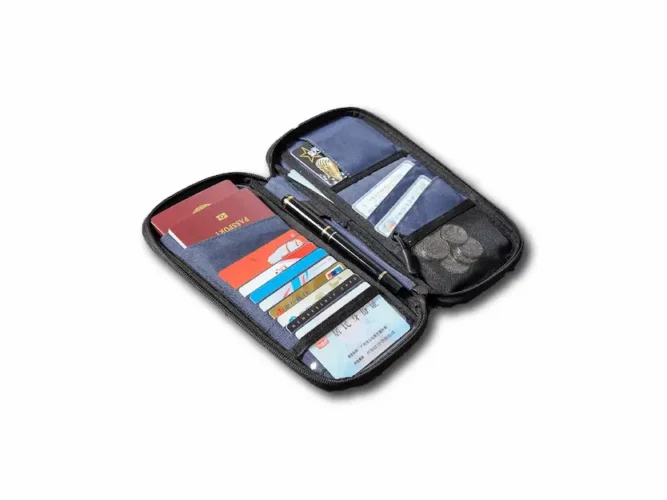
Before you start organizing your backpack, remember that the Inca Trail requires a special government permit, which tends to sell out months in advance. Always book your trek through an authorized Peru tour operator that handles the paperwork, equipment, and logistics. You’ll need to carry your original passport, a printed permit copy, and some small cash for tips or emergencies. Keeping these documents in a waterproof pouch inside your daypack is highly recommended, especially during the rainy season.
Another important aspect to keep in mind is that the Inca Trail is physically demanding. Fortunately, the local porters will carry most of the group gear, including tents and cooking supplies. Each hiker can hand over around 5–7 kilograms of personal belongings to the porters, while the rest must be carried in your daypack. Always double-check weight limits with your trekking company.
Essential items for your Inca Trail adventure
When preparing your Inca Trail packing list, start by focusing on the essential gear and clothing that will help you adapt to altitude, humidity, and the varied temperatures of the Andes. These items are the foundation of a comfortable and safe trekking experience.
1. Documents and permits of Inca Trail packing list
The first and most important items to pack are your documents. You cannot enter the trail without your passport and Inca Trail permit, both of which must match exactly. Keep them in a waterproof bag to protect them from rain or moisture. It is also wise to carry your Machu Picchu entrance ticket, a copy of your travel insurance, and some local currency in small bills for tips or snacks along the way. These simple precautions ensure a stress-free experience at checkpoints and campsites.
Here’s an updated checklist of the documents you’ll need when traveling to hike the Inca Trail:
- Valid passport (original and photocopy)
- Inca Trail permit
- Machu Picchu entrance ticket
- Cash in soles (for tips or small expenses)
- Travel insurance copy
- Emergency contact info
Contact your tour operator (such as Go Treks Peru) with all your passport information at the time of booking. They will process the permit and provide you with the confirmed document. Make sure your operator is licensed (officially certified). Entrance fees to the Historic Sanctuary of Machu Picchu and trekking permits can be verified on the official website of the Peruvian Ministry of Culture.
2. Backpack and daypack of Inca Trail packing list
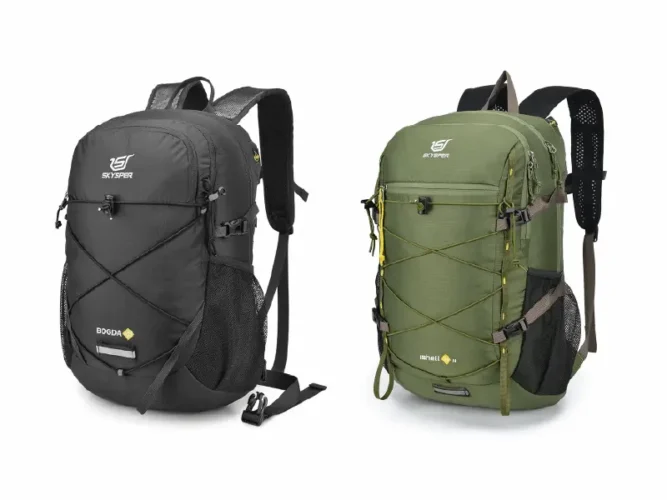
Your backpack will be your constant companion during the trek, so investing in a comfortable and durable one is crucial. If your tour includes porter support, a 30–40 liter backpack is enough to hold your personal items. For those carrying their own gear, a larger 60-liter pack might be necessary. In addition, you should bring a daypack (15–20 liters) for daily essentials such as water, snacks, sunscreen, and a camera. Choose one with adjustable straps, a waist belt, and good back support to distribute weight evenly. A rain cover is also essential to protect your belongings during unexpected showers.
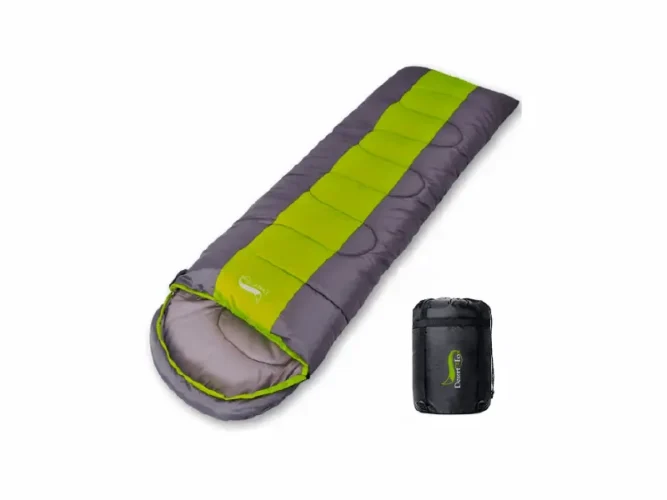
3. Sleeping bag and sleeping accessories of Inca Trail packing list
A good night’s rest can make all the difference on the Inca Trail. Even during the dry season, temperatures at night can be extremely cold, especially at higher altitudes. A three-season sleeping bag rated for 0°C is recommended, preferably one that is lightweight and compact. If you prefer not to bring your own, you can rent a high-quality sleeping bag in Cusco. Add a sleeping liner for extra warmth and hygiene, and consider packing a lightweight inflatable pillow for comfort. Some trekkers also bring earplugs to help them sleep through early morning activity in the camps.
4. Footwear, your most important gear of Inca Trail packing list
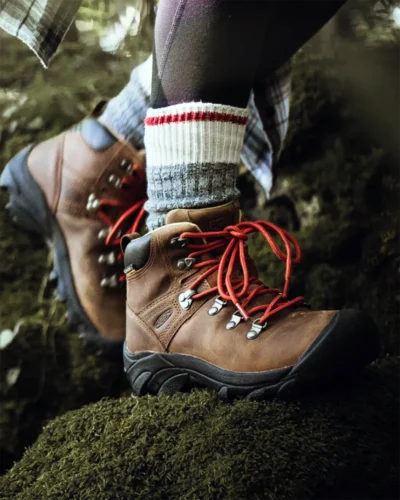
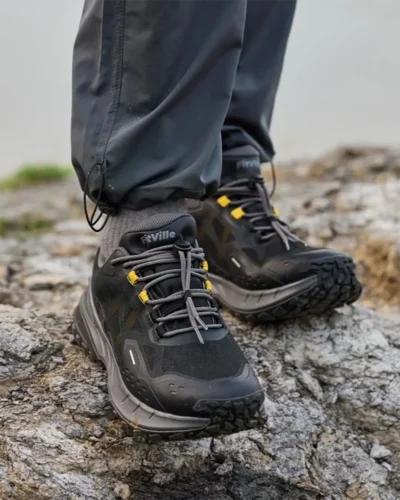
Your boots will carry you through ancient stone paths, steep climbs, and slippery descents. Choose waterproof hiking boots with strong ankle support and solid traction. Break them in well before your trip to avoid painful blisters during the trek. Bring several pairs of hiking socks, preferably synthetic or merino wool, which dry quickly and prevent odor. A pair of comfortable sandals or slip-ons will be a relief at the campsite, allowing your feet to rest after long hours of walking.
- Hiking boots: We recommend bringing a good pair of them. In terms of quality, your boots need to have good ankle support. Medium and high tops are the best! Also, look for rubber-soles and Gore-Tex waterproof protection inside.
Hiker tip: Make sure your boots are quick-drying and well worn-in. Avoid wearing brand new shoes on long treks as they may hurt your feet.
- Extra shoes: After a long day of trekking, you may want to walk around the campsites with light sandals or trekking shoes.
- Hiking socks: Take at least 4 pairs of comfortable socks to use during the trekking. We recommend merino wool; and some extra light pairs to use at the campsites.
5. Layered clothing for all conditions of Inca Trail packing list
Weather on the Inca Trail can shift dramatically in a single day. The key to comfort is layering, allowing you to adjust as temperatures change. Pack:
- 2–3 moisture-wicking short-sleeve shirts
- 1–2 long-sleeve shirts for sun and insect protection
- 1 warm fleece or synthetic jacket
- 1 insulated down or puffy jacket for cold nights
- 1 waterproof rain jacket or poncho
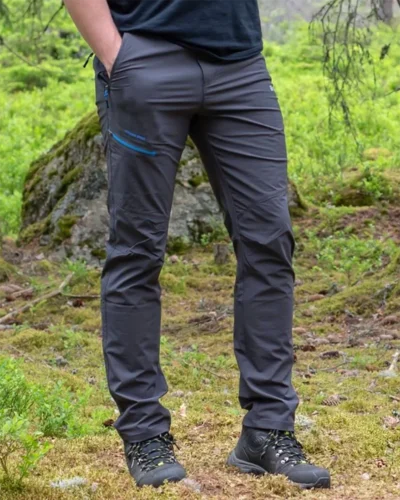
- 2 pairs of lightweight trekking pants (one convertible pair is ideal)
- 1 pair of thermal leggings for sleeping or cold mornings
- 4–5 pairs of hiking socks
- 1 sun hat and 1 beanie or warm hat
- Lightweight gloves
This type of clothing may vary depending on the number of days and the weather at the time; it is recommended to use the guide only as a reference, but you can adapt it to your preference.

6. Hydration and nutrition of Inca Trail packing list
Staying hydrated is critical at high altitudes, as dehydration can worsen the effects of altitude sickness. Carry a refillable water bottle or hydration bladder of at least two liters. Your trekking team will provide boiled water at meal times, but you should always start the day with full bottles. Electrolyte powders or hydration tablets help replace lost minerals and keep you energized. For snacks, bring energy bars, trail mix, nuts, or dried fruit, which are lightweight and provide quick fuel during breaks.
7. Personal care and hygiene of Inca Trail packing list
Maintaining hygiene on the trail helps you stay healthy and comfortable. Pack toilet paper, biodegradable soap, hand sanitizer, toothbrush, toothpaste, and a small quick-drying towel. Wet wipes are extremely useful for cleaning your face and hands when showers are not available. Don’t forget sunscreen, lip balm with SPF, and insect repellent, as the sun and mosquitoes can be intense in certain sections of the trail. A small first-aid kit should include painkillers, band-aid
8. Head accessories of Inca Trail packing list
-Sun protection: The andean sun is serious! Bring a hat or cap to use during your trek to prevent sunburn, and a good pair of sunglasses for your eyes.
-Neck and head bands: They can be used for sun and insect protection during the day, and as a scarf at night.
Adapting your Inca Trail packing list by season
Peru’s Andean region has two distinct seasons—dry and rainy—and both require different packing strategies. Understanding these conditions will help you prepare more effectively.
The dry season on the Inca Trail (May to October)
This is the most popular time for trekking in Peru because of its stable weather and clear skies. Days are sunny and ideal for hiking, but temperatures drop sharply at night, sometimes below freezing at high camps. Focus on thermal clothing, a warm sleeping bag, and hydrating skincare products to combat the dry air. Sunscreen, sunglasses, and a wide-brimmed hat are essential to avoid sunburn. Layer up during early mornings and evenings, and wear lightweight clothing during the day.
The rainy season on the Inca Trail (November to April)
The rainy season brings lush landscapes and fewer crowds but also slippery trails and unpredictable showers. Pack waterproof gear, including a sturdy rain jacket, rain pants, and dry bags to protect electronics and clothes. Trekking poles with rubber tips help maintain balance on muddy sections. Quick-drying fabrics are your best friend, and carrying extra socks is a must. Although the rain can be frequent, the scenery during this time is greener and more vibrant, making it a rewarding experience for those who come prepared.
What not to pack for the Inca Trail packing list
A common mistake among first-time trekkers is overpacking. Avoid bringing items that are unnecessary or add weight without function. Heavy books, bulky clothes, laptops, or full-size toiletries are all better left behind. You won’t need dress shoes, jewelry, or excessive electronics. Focus instead on essentials that support comfort, safety, and convenience. Keeping your load light allows you to walk freely, conserve energy, and better enjoy the landscapes that make the Inca Trail one of the most remarkable journeys in the world.
You might be interested in reading: 9 Wonderful Tourist places in the Peruvian jungle
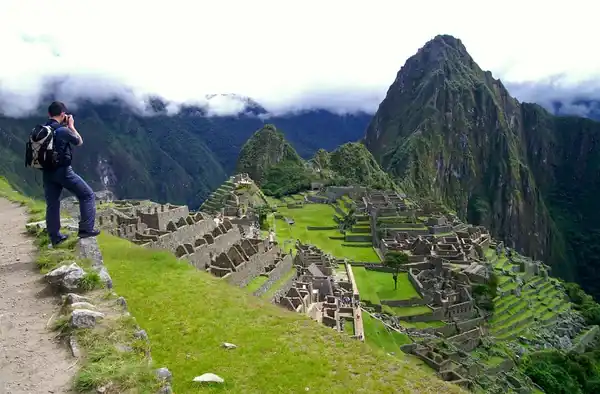
Prepare with confidence for your Inca Trail adventure
Packing efficiently is the first step toward an unforgettable trekking experience. The Inca Trail is not just a physical challenge—it’s a spiritual journey that connects you to ancient Andean culture and the grandeur of Machu Picchu. With the right preparation, you’ll be able to walk in the footsteps of the Incas comfortably and confidently, surrounded by majestic scenery and a deep sense of accomplishment.
For travelers looking for more breathtaking adventures, Go Treks Perú also organizes other world-class experiences like the Salkantay trek, the Ausangate trek, and Manu tours Peru, each offering a different connection to the natural and cultural wonders of Peru. Partnering with a trusted Peru tour operator ensures responsible travel, authentic local experiences, and expert guidance that make every step worthwhile.
Take your time to review this guide, check your gear twice, and prepare your mind and body for the journey ahead. With this complete Inca Trail packing list, you’re ready to embark on one of the most extraordinary adventures on Earth—an experience that will stay with you for life.