
The Quechua language is much more than a way of communicating. It is one of the oldest living languages in the Americas, with deep roots that stretch back long before the rise of the Inca Empire. Today, it remains one of the most spoken Indigenous languages across South America, with millions of speakers living in Peru, Bolivia, Ecuador, Colombia, and Argentina. In Peru alone, millions of people use Quechua in their daily lives, not only in remote Andean villages but also in major cities such as Cusco, Arequipa, and Lima. This enduring presence shows the resilience of Indigenous traditions and highlights how Quechua continues to play an important role in shaping Peru’s national identity.
For travelers visiting Peru, understanding the importance of Quechua means more than just learning a few words. It opens the door to a richer cultural experience, as many traditions, legends, and ways of life are still preserved in this ancient tongue. Whether you are exploring remote trekking routes like the Ausangate trek 4 days or walking through bustling markets in Cusco, you will often hear Quechua phrases and expressions. This connection between the past and the present makes the language not only a form of communication but also a living testimony of Andean heritage.
The origins of the Quechua language
Quechua predates the Inca Empire, which is a common misconception among visitors. While the Incas did adopt and spread the language across their vast territory in the fifteenth century, its origins are much older. Linguistic studies suggest that Quechua was spoken in central Peru as early as 2,000 years ago. The Incas recognized its potential as a unifying tool and promoted it as the administrative and cultural language of their empire. This is why it became the lingua franca of the Andes, allowing communication between diverse groups of people spread across thousands of kilometers.
Even after the Spanish conquest, Quechua retained an important role. Although Spanish eventually became the official language of colonial administration, Quechua continued to be spoken by Indigenous communities, missionaries, and even in some artistic expressions such as theater and literature. Despite centuries of suppression, it survived and adapted, becoming an enduring symbol of cultural resistance.
You might be interested in reading: The Peruvian Highlands: Complete travel guide
Quechua in modern Peru
Today, Quechua is recognized as an official language of Peru, alongside Spanish and Aymara. This recognition, established in the Constitution, highlights the government’s effort to preserve Indigenous cultures. In practical terms, this means that in regions where Quechua is widely spoken, public services must be available in the language, and schools are encouraged to incorporate it into their curriculum.
Still, challenges remain. While millions of Peruvians speak Quechua, the younger generations in urban areas are shifting toward Spanish due to social pressures and limited opportunities for using their ancestral tongue. Fortunately, cultural revitalization projects, community-led initiatives, and even universities are now taking steps to promote Quechua education and media. Travelers may even find courses offered in Cusco where they can learn basic phrases, allowing them to connect more meaningfully with locals during their journeys.
Why learning Quechua matters for travelers
For international visitors, especially those who come for trekking and cultural experiences, learning a few Quechua words can make a profound difference. When you say “Allinllachu” (hello, how are you?) or “Sulpayki” (thank you), locals appreciate the effort and often open up to share stories, traditions, and knowledge that they might not reveal otherwise. This is particularly meaningful in destinations like Go Treks Peru where guides often highlight not only the natural beauty of the Andes but also the Indigenous culture that has shaped the region for centuries.
By speaking even a little Quechua, travelers demonstrate respect for the communities that keep these traditions alive. This small gesture strengthens cultural exchange and enriches the travel experience beyond typical sightseeing.
Quechua in andean music, stories, and rituals
Quechua is not only a spoken language—it is a vessel of oral traditions, songs, and spiritual practices. Ancient myths about mountain spirits, Pachamama (Mother Earth), and sacred lakes are still told in Quechua. These narratives shape local customs, agricultural cycles, and religious rituals. Many traditional songs, known as “huaynos,” are performed in Quechua, carrying themes of love, nature, and community life.
Participating in festivals such as Inti Raymi in Cusco or smaller community celebrations often means hearing Quechua chants and prayers. For travelers, this immersion offers a unique chance to witness living traditions that have been passed down for centuries, reinforcing the importance of preserving the language.
Quechua and trekking in the Peruvian highlands
Exploring the Peruvian Andes often means stepping into regions where Quechua is the primary language. Treks like the Moonstone trek to Machu Picchu 5 days take visitors through remote villages where Quechua is more commonly spoken than Spanish. Similarly, journeys across the sacred mountains during the Ausangate trek introduce trekkers to communities that maintain their traditions largely untouched by urban modernity.
Understanding even a few words of Quechua can transform these adventures, allowing trekkers to connect with local families, farmers, and artisans in a more authentic way. In this sense, Quechua is not only a linguistic tool but also a bridge to cultural immersion during trekking experiences.
The connection between Quechua and nature
Quechua vocabulary is deeply tied to the natural world. Many words reflect the Andean people’s intimate relationship with the environment. For instance, there are multiple words for snow, mountains, and types of rain, each describing different nuances of the highland climate. The language reveals a worldview in which humans are not separate from nature but part of a larger, interconnected system.
For travelers who venture into protected areas such as Manu National Park 4 days, understanding this worldview provides greater insight into how Indigenous communities perceive and care for their environment. This perspective is invaluable for those who want to appreciate Peru beyond its landscapes and delve into the philosophies that guide its ancestral traditions.
You might be interested in reading: Where to stay in Cusco 2026
Quechua across the Andes
Although Peru is often seen as the heartland of Quechua, the language extends across several South American countries. Variations of Quechua are spoken in Bolivia, Ecuador, Argentina, and Colombia. Each region has developed its own dialects, influenced by local cultures and contact with Spanish.
In Peru alone, there are more than a dozen Quechua dialects, some of which are mutually unintelligible. Despite these differences, all forms of Quechua share common linguistic roots, creating a sense of cultural unity across the Andes. Trekkers who embark on the Ausangate trek to Rainbow mountain 4 days or visit remote places like Pallay Punchu will quickly notice how language and identity remain closely tied in each community.
The role of Quechua in tourism
Tourism has become a powerful force for revitalizing Quechua. As more travelers show interest in cultural experiences, local communities have embraced the opportunity to share their language and traditions. Many tour operators, such as Peru tours, now highlight Quechua culture as part of their packages. Guides often incorporate Quechua phrases into their tours, teaching visitors expressions that they can use with local people.
For visitors interested in deep cultural immersion, journeys such as the Ancascocha trek and Inca trail 7 days combine natural beauty with opportunities to engage with Quechua-speaking communities. These encounters help support cultural preservation while offering travelers meaningful experiences that go far beyond typical sightseeing.
FAQs about the Quechua Language
1.What is the Quechua language?
Quechua is an Indigenous language family spoken by millions of people across South America, especially in the Andes of Peru. It was spread by the Inca Empire and continues to be used today as both a daily communication tool and a cultural symbol.
2.Is Quechua still spoken in Peru?
Yes, Quechua is widely spoken, particularly in rural Andean communities. In some regions, it remains the first language for many families, while in cities it is often used alongside Spanish.
3.How difficult is it to learn Quechua?
Quechua can be challenging for beginners because it has unique sounds and grammar compared to English or Spanish. However, many travelers enjoy learning basic phrases that help them connect with locals.
4.Why is Quechua important?
Quechua is a vital part of Andean identity and heritage. It carries centuries of history, traditions, and knowledge about nature, agriculture, and spirituality. Preserving it ensures that this cultural wealth is not lost.
You might be interested in reading: Feast of Saint Rose of Lima, Peru
Basic Quechua words and phrases every traveler should know
One of the easiest ways to connect with local communities during your trip is by learning a few words in the Quechua language. While Spanish is the most widely spoken language in Peru, Quechua remains the first language for millions of people living in the Andes, especially in regions such as Cusco, Apurímac, Ayacucho, Puno, Huancavelica, and parts of the Sacred Valley.
Knowing even a handful of expressions in the Quechua language is often appreciated by local people. It demonstrates curiosity, cultural respect, and a genuine interest in Peru’s indigenous heritage. Whether you’re trekking to Machu Picchu, exploring traditional villages, or visiting local markets, using a simple greeting can make interactions warmer and more memorable.
Although there are several regional varieties of the Quechua language, many common words are widely understood across southern Peru, particularly in Cusco and the surrounding Andean communities visited by international travelers.
Useful Quechua words and phrases
The table below introduces some practical expressions that can enrich your travel experience.
| English | Quechua | Pronunciation (Approx.) |
| Hello | Rimaykullayki | ree-my-koo-YAI-kee |
| Good morning | Allin punchaw | AH-yin POON-chao |
| Good afternoon | Allin sukha | AH-yin SOO-kha |
| Thank you | Sulpayki | sool-PAI-kee |
| Please | Allichu | ah-YEE-choo |
| Goodbye | Tupananchiskama | too-pah-nan-chees-KAH-ma |
| Yes | Arí | ah-REE |
| No | Mana | MA-na |
| Water | Yaku | YAH-koo |
| Friend | Masi | MA-see |
These expressions are especially useful when visiting rural communities where the Quechua language continues to be part of daily life. Even if the conversation quickly switches to Spanish, your effort is often met with a smile and appreciation.
Learning a few basic phrases also helps travelers understand the cultural significance of place names throughout Peru. Many famous destinations—including Cusco, Ollantaytambo, Sacsayhuamán, Vinicunca, and Ausangate—derive their names from the Quechua language, reflecting centuries of Andean history and tradition.
Where can you hear the Quechua language in Peru?
Although the Quechua language originated centuries ago, it is far from disappearing. Today, it continues to be spoken by millions of Peruvians and remains an essential part of daily life in many Andean regions.
Visitors who travel beyond Peru’s major cities quickly discover that Quechua is still actively used in homes, local markets, schools, festivals, and community gatherings. For many indigenous families, it is the language passed from one generation to the next.
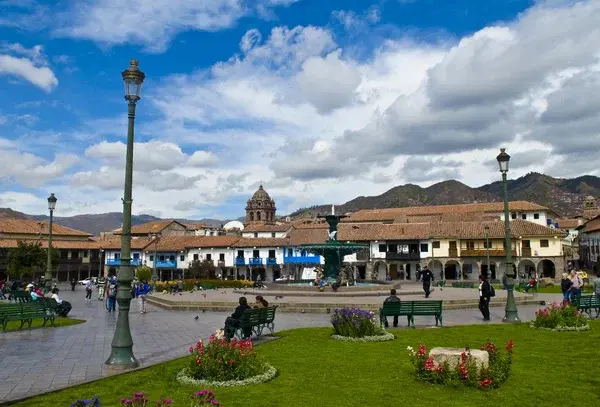
Cusco
Cusco is perhaps the most famous destination where travelers can hear the Quechua language spoken naturally.
As the former capital of the Inca Empire, Cusco has preserved strong linguistic and cultural traditions. Local guides, artisans, farmers, and community members often switch naturally between Spanish and Quechua during conversations.
Many cultural experiences and community-based tourism projects also include introductions to basic Quechua expressions.
Sacred Valley
The Sacred Valley offers one of the best opportunities to experience the Quechua language in everyday settings.
Traditional villages such as Chinchero, Pisac, Ollantaytambo, and Maras continue to maintain strong indigenous traditions. Visiting local textile cooperatives or agricultural communities allows travelers to hear Quechua used during demonstrations, storytelling, and daily activities.
Lake Titicaca
In the highlands surrounding Lake Titicaca, both Quechua and Aymara are spoken depending on the community.
Several islands and rural villages preserve ancient customs where the Quechua language remains an important means of communication, particularly among older generations.
Ausangate and remote Andean communities
Trekking routes such as Ausangate provide unique opportunities to encounter communities where Quechua continues to be the primary language.
During multi-day hikes, travelers often interact with shepherds, local families, and artisans whose daily conversations are conducted almost entirely in the Quechua language.
These encounters often become some of the most authentic memories of a trip to Peru.
Traditional festivals
Many religious and cultural celebrations throughout the Andes include songs, prayers, speeches, and rituals performed in the Quechua language.
Festivals such as Inti Raymi, Corpus Christi in Cusco, and numerous local patron saint celebrations demonstrate that the language remains closely connected to Andean identity and spiritual traditions.

Can tourists learn the Quechua language?
Absolutely.
Although becoming fluent requires time and dedication, learning a few expressions before traveling is both achievable and rewarding.
Many visitors discover that understanding even basic elements of the Quechua language transforms the way they experience Peru. Instead of simply observing local culture, they begin participating in it through greetings, expressions of gratitude, and simple conversations.
Today, there are many ways to begin learning the Quechua language:
- Online language courses.
- Mobile learning applications.
- YouTube lessons.
- University language programs.
- Cultural workshops in Cusco.
- Community tourism experiences led by native speakers.
Travelers participating in trekking routes such as the Inca Trail, Salkantay Trek, Lares Trek, or Ausangate Trek often hear guides explain the meanings of Quechua place names, mountains, rivers, and archaeological sites. Understanding these words adds a deeper cultural dimension to the journey.
Learning the Quechua language also demonstrates respect for local traditions. While most tourism professionals speak Spanish and many also speak English, using simple Quechua greetings often creates genuine connections with community members, especially in rural villages where the language remains part of everyday life.
Perhaps the greatest benefit of learning the Quechua language is that it helps visitors appreciate Peru not only through its breathtaking landscapes and archaeological wonders, but also through the living culture of the people who continue to preserve one of South America’s oldest and most influential languages.

Useful Quechua conversations every traveler should know
One of the most rewarding ways to experience Peru is by learning a few expressions in the Quechua language before your trip. While you don’t need to become fluent, knowing basic greetings and common phrases can help you connect with local communities, especially in the Sacred Valley, Cusco, and remote Andean villages where the Quechua language is still spoken every day.
For many local people, hearing a visitor make the effort to speak even a few words in the Quechua language is a sign of respect and appreciation for their culture. These small interactions often lead to genuine smiles, memorable conversations, and a richer travel experience that goes beyond simply visiting famous attractions.
Whether you’re hiking the Inca Trail, exploring traditional markets, or spending time with local families, these expressions can make your journey even more meaningful.
How to greet someone in Quechua
Greetings are often the easiest way to begin a conversation. Even if the person responds in Spanish, starting with a greeting in the Quechua language shows interest in the local culture.
| English | Quechua |
| Hello | Rimaykullayki |
| Good morning | Allin punchaw |
| Good afternoon | Allin p’unchay |
| Goodbye | Tupananchiskama |
Imagine arriving at a weaving community in Chinchero or meeting your local guide before a trek. Saying “Rimaykullayki” instead of simply “Hello” immediately creates a friendly atmosphere.
How to thank local people
Gratitude is highly valued in Andean communities, and learning how to say thank you in the Quechua language is one of the simplest ways to show respect.
| English | Quechua |
| Thank you | Sulpayki |
| Thank you very much | Añay, sulpayki |
These expressions are especially useful after purchasing handmade textiles, sharing a traditional meal, or receiving help from local guides and families.
Many travelers discover that using “Sulpayki” often brings an immediate smile and opens the door to more meaningful interactions.
Useful phrases while trekking in Peru
If you’re planning to hike routes such as the Inca Trail, Salkantay Trek, Lares Trek, or Ausangate, you’ll hear the Quechua language throughout your journey. Guides frequently explain the meanings of mountains, rivers, and archaeological sites using their original Quechua names.
Here are a few helpful expressions:
| English | Quechua |
| Water | Yaku |
| Mountain | Urqu |
| Beautiful | Sumaq |
| Friend | Masi |
| Let’s go | Hakuchis |
Understanding these simple words helps travelers better appreciate the stories shared by local guides and the cultural significance of the landscapes they explore.
Asking simple questions
Although many people in tourist areas speak Spanish, learning a few basic questions in the Quechua language can make your interactions even more authentic.
| English | Quechua |
| How are you? | Imaynallan kashanki? |
| What is your name? | Imataq sutiyki? |
| Where are you from? | Maymantataq kanki? |
A simple conversation might look like this:
Traveler:
Rimaykullayki!
Local:
Rimaykullayki.
Traveler:
Imaynallan kashanki?
Local:
Allillanmi.
Even if the conversation later continues in Spanish or English, beginning with a few words in the Quechua language often creates a warm and memorable first impression.
Expressions you’ll hear during your trip
As you travel through Peru, you’ll probably hear many Quechua words that have become part of everyday conversation.
| Quechua | Meaning |
| Apu | Sacred mountain spirit |
| Pachamama | Mother Earth |
| Inti | Sun |
| Chaski | Messenger |
| Urqu | Mountain |
| Yaku | Water |
Knowing these words allows visitors to better understand local ceremonies, traditional stories, and the spiritual beliefs that continue to shape Andean culture.

Why speaking a few words of the Quechua language creates unforgettable experiences?
You don’t need to master the Quechua language to enjoy its benefits. In fact, learning just a handful of expressions can completely change the way you experience Peru.
Many travelers focus only on visiting Machu Picchu or taking beautiful photographs, but the most memorable moments often come from conversations with local people. Greeting an artisan in Chinchero with “Rimaykullayki”, thanking a farmer with “Sulpayki”, or recognizing the meaning of words like Pachamama during a traditional ceremony helps visitors feel more connected to the places they explore.
The Quechua language is more than a means of communication—it is a living expression of Andean identity. Every word reflects centuries of history, traditions, and respect for nature that continue to shape daily life across Peru.
If you’re planning a journey through the Andes, spending a few minutes learning these basic phrases before your trip can enrich every interaction you have along the way. Local guides, weaving communities, market vendors, and rural families genuinely appreciate visitors who show interest in their culture, even through a simple greeting.
By taking the time to learn a little of the Quechua language, you’ll discover that your trip becomes more than sightseeing. It becomes an opportunity to build authentic connections, better understand Peru’s rich cultural heritage, and create experiences that stay with you long after your journey has ended.
A Language That Bridges Past and Future
The Quechua language is far more than a remnant of the past—it is a vibrant, evolving tradition that continues to shape the lives of millions. For visitors exploring the Andes, whether through Manu tours Peru or cultural Peru Treks, understanding the value of Quechua enriches every moment of the journey. From sacred festivals to remote villages, Quechua acts as a bridge between history and the present, offering insights into one of the world’s most resilient cultures.
By engaging with Quechua, travelers not only gain a deeper appreciation of Peru’s highlands but also contribute to the preservation of a language that embodies the wisdom of the Andes.


