
If you’re planning to visit one of Peru’s most important religious landmarks, knowing the Saint Rose of Lima mass times is one of the first things you should do. Whether you are a pilgrim, a Catholic traveler, or a tourist interested in Lima’s colonial heritage, attending a Mass at the sanctuary offers a unique opportunity to experience the spiritual legacy of Saint Rose of Lima, the first saint born in the Americas.
The Saint Rose of Lima Church is much more than a historic church. It is part of a sanctuary that includes the saint’s home, convent, chapel, famous wishing well, and beautiful gardens. Every year, thousands of visitors from Peru and around the world come to pray, learn about her life, and participate in religious celebrations, especially around her feast day on August 30.
Before planning your visit, it is important to understand that Saint Rose of Lima mass times may vary depending on weekdays, Sundays, solemnities, or special religious events. Checking the schedule in advance will help you organize your itinerary and enjoy a more meaningful experience.
This guide explains everything you need to know about Saint Rose of Lima mass times, where the sanctuary is located, how to get there, opening hours, transportation options, and nearby attractions so you can make the most of your visit.
You might be interested in: What is Peru known for? 15 reasons travelers fall in love with Peru
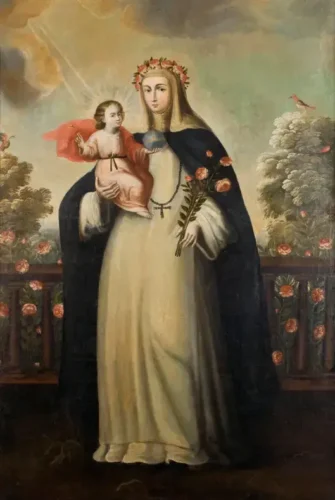
Saint Rose of Lima mass times: what you need to know before your visit
For many visitors, the main reason for searching Saint Rose of Lima mass times is to participate in a religious service during their stay in Lima. Others simply want to plan their visit around Mass so they can explore the sanctuary without interruptions.
The Saint Rose of Lima Church celebrates Mass regularly throughout the week, although schedules may change during important Catholic celebrations, feast days, or special liturgical seasons.
Because of this, visitors are encouraged to confirm the latest schedule through the sanctuary before traveling, particularly if they plan to attend a specific celebration.
Weekday Mass schedule
Weekday services provide a quieter atmosphere compared to Sundays, making them ideal for prayer, reflection, and visiting the sanctuary after Mass.
Many pilgrims prefer attending weekday services because there are fewer crowds, allowing more time to visit Saint Rose’s room, the convent, and the famous wishing well.
If your itinerary is flexible, attending one of the weekday Saint Rose of Lima mass times often provides a more peaceful experience.
Sunday Mass schedule
Sundays are the busiest day at the Saint Rose of Lima Church, as local parishioners, families, and international visitors gather for worship.
Sunday Masses usually include larger congregations and create a vibrant atmosphere that reflects the importance of Saint Rose in Peruvian Catholic tradition.
Because attendance is significantly higher, arriving at least 20 to 30 minutes before the selected Saint Rose of Lima mass times is highly recommended to find seating and enjoy the celebration comfortably.
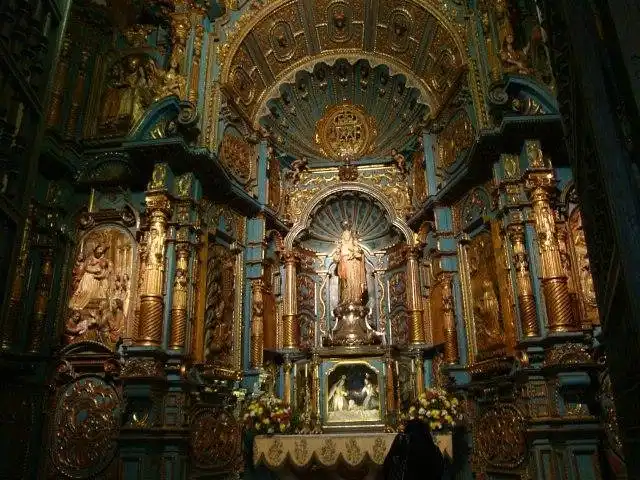
Holy days and special celebrations
The most important religious event of the year takes place around August 30, the Feast of Saint Rose of Lima.
During this period, additional Masses, religious processions, and devotional activities are organized throughout the sanctuary.
Pilgrims from different regions of Peru and many international visitors attend these celebrations, making it one of the largest Catholic events in Lima.
During Holy Week, Christmas, and other important liturgical dates, the Saint Rose of Lima mass times may also be modified to accommodate special ceremonies.
Confession schedule
Besides attending Mass, many faithful visit the sanctuary to receive the Sacrament of Reconciliation.
Confessions are generally available before selected Masses and during specific hours established by the parish.
If confession is an important part of your pilgrimage, it is advisable to verify the schedule in advance, especially during major religious celebrations when waiting times may be longer.
Quick reference table
The following table provides a general overview of the services available. Since schedules can occasionally change, visitors should always verify the latest information before attending.
| Service | General availability |
| Weekday Mass | Daily (schedule varies) |
| Saturday Mass | Available |
| Sunday Mass | Multiple celebrations |
| Feast Day Masses | Additional services |
| Confessions | Before selected Masses |
Checking the Saint Rose of Lima mass times before your visit helps ensure you can participate in the service that best fits your travel plans while enjoying the rest of the sanctuary at your own pace.
You might be interested in: Rainbow Mountain in Cusco Peru I Everything you need to know
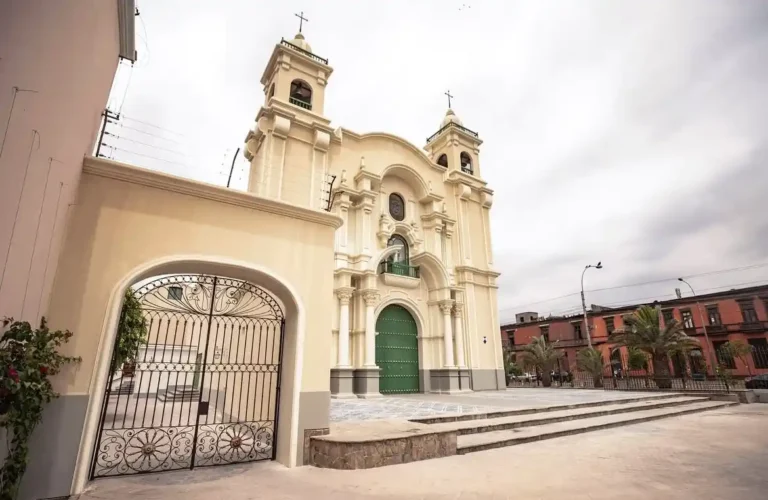
Where is Saint Rose of Lima Church?
The Saint Rose of Lima Church is located in the historic center of Lima, Peru, within one of the city’s oldest neighborhoods.
Its central location makes it easy to combine your visit with other major attractions in the Historic Centre of Lima, a UNESCO World Heritage Site.
Because of its religious and historical significance, the sanctuary is included in many walking tours of colonial Lima.
Location in Lima
The sanctuary is situated just a short distance from Lima’s Plaza Mayor, making it accessible for visitors staying in the city center, Miraflores, San Isidro, or Barranco.
Its location allows travelers to explore several important historical sites on the same day without traveling long distances.
Many visitors attend one of the Saint Rose of Lima mass times in the morning before continuing to nearby museums and colonial churches.
How to get there
Reaching the Saint Rose of Lima Church is relatively easy.
Depending on where you are staying, you can choose from several transportation options:
- Taxi services.
- Ride-sharing apps.
- Public buses.
- Guided city tours.
- Walking from Plaza Mayor if you are already exploring downtown Lima.
For first-time visitors, taxis and ride-sharing services are often the most convenient and safest alternatives.
Nearby attractions
One advantage of visiting the sanctuary is that several of Lima’s most important landmarks are located nearby.
After attending one of the Saint Rose of Lima mass times, you can continue exploring attractions such as:
- Plaza Mayor of Lima.
- Lima Cathedral.
- Government Palace.
- Monastery of San Francisco and its famous catacombs.
- Archbishop’s Palace.
- Historic colonial streets filled with traditional architecture.
This makes the sanctuary an excellent stop within a full-day itinerary dedicated to discovering Lima’s colonial history.
Best transportation options
Choosing the right transportation depends on your itinerary.
For most international travelers:
- Ride-sharing services offer convenience and fixed pricing.
- Official taxis provide direct access.
- Organized city tours often include the sanctuary as part of their schedule.
- Walking is ideal when already visiting Lima’s historic center.
Early morning visits generally allow for lighter traffic and a more relaxed experience.
Opening hours
Besides checking the Saint Rose of Lima mass times, visitors should also consider the sanctuary’s opening hours.
The religious complex welcomes both pilgrims and tourists interested in learning about the life of Saint Rose.
Opening hours may vary slightly during religious holidays, national celebrations, or restoration work. Therefore, confirming current visitor hours before your trip is always recommended.
Planning your visit around both the Saint Rose of Lima mass times and the sanctuary’s opening hours allows you to attend Mass, explore the museum spaces, visit Saint Rose’s famous wishing well, and experience one of Peru’s most meaningful spiritual destinations without rushing.
You might be interested in: What mountains are in Peru? 15 mountains you should know
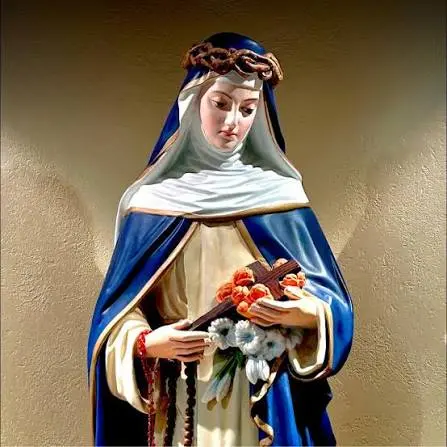
What can you see inside Saint Rose of Lima Church?
Beyond checking the Saint Rose of Lima mass times, one of the main reasons travelers visit this sanctuary is to explore the places where Saint Rose of Lima lived, prayed, and carried out her charitable work. The Saint Rose of Lima Church is part of a larger religious complex that preserves historical, spiritual, and cultural treasures dating back to the colonial period.
Unlike many churches that visitors simply admire from the outside, this sanctuary offers an immersive experience that allows pilgrims and tourists to connect with the life of Peru’s beloved saint. From her famous wishing well to the peaceful convent gardens, every corner tells part of her remarkable story.
1. Saint Rose’s famous well
Perhaps the most iconic place within the sanctuary is Saint Rose’s famous well, often called the “Well of Miracles.”
According to tradition, Saint Rose threw the key to her self-imposed penitential chain into this well as an act of complete surrender to God. Over the centuries, the well became a powerful symbol of faith and hope.
Today, visitors continue a centuries-old custom by writing prayers, petitions, or personal intentions on small pieces of paper and placing them inside the well. Thousands of requests are deposited every year by people seeking healing, guidance, peace, or blessings for their families.
Whether or not you participate in this tradition, the well remains one of the most meaningful stops after attending the Saint Rose of Lima mass times.
2. The convent
Adjacent to the sanctuary is the Dominican convent that preserves several spaces connected with Saint Rose’s daily life.
Visitors can walk through quiet courtyards, admire traditional colonial architecture, and learn how she dedicated herself to prayer, caring for the sick, and helping Lima’s poorest residents.
The convent provides a peaceful contrast to the busy streets outside and allows visitors to better understand the simplicity and humility that defined her life.
Many guided tours include historical explanations about the Dominican Order and the role the convent has played in preserving Saint Rose’s legacy for more than three centuries.
3. The chapel
One of the most intimate areas of the sanctuary is the chapel, where visitors often spend time in silent prayer after attending one of the Saint Rose of Lima mass times.
The atmosphere inside is calm and contemplative, making it an ideal place for reflection regardless of religious background.
The chapel contains devotional images, historical decorations, and spaces dedicated to personal prayer. During feast days and important liturgical celebrations, it becomes a focal point for pilgrims from across Peru and abroad.
4. Religious artwork
The Saint Rose of Lima Church also houses valuable examples of colonial religious art.
Visitors can admire:
- Traditional altarpieces.
- Sacred paintings depicting the life of Saint Rose.
- Sculptures representing Dominican saints.
- Historic architectural details.
- Decorative elements typical of Spanish Colonial churches.
These artistic treasures illustrate both the religious devotion and the craftsmanship that characterized colonial Lima.
Art lovers often find the sanctuary just as fascinating as pilgrims because it combines architecture, history, and spirituality within a single location.
5. Pilgrimage traditions
Every year, especially around August 30, the sanctuary welcomes thousands of pilgrims who come to honor Saint Rose.
Some visitors attend the Saint Rose of Lima mass times, while others participate in processions, leave prayer intentions in the famous well, or simply walk through the sanctuary in quiet reflection.
For many Peruvians, visiting the sanctuary is a family tradition passed down through generations.
International visitors frequently describe the experience as one of the highlights of their stay in Lima because it offers an authentic glimpse into Peru’s living Catholic heritage.
Why is Saint Rose of Lima so important?
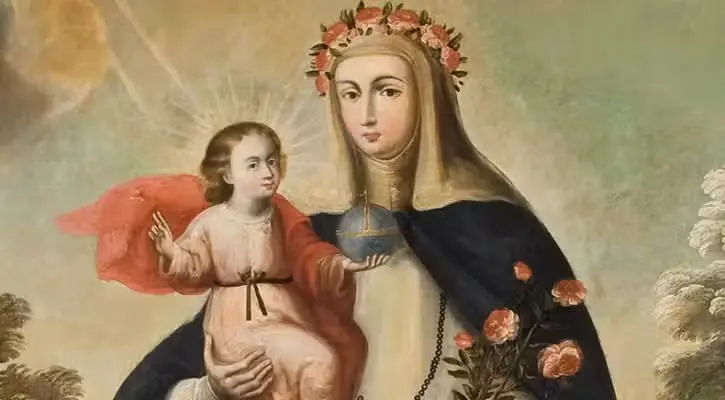
Understanding the significance of Saint Rose helps visitors appreciate why the Saint Rose of Lima Church is one of Peru’s most important pilgrimage destinations.
Born Isabel Flores de Oliva in Lima in 1586, Saint Rose dedicated her life to prayer, charity, and caring for the poor and the sick.
She became known for her profound spirituality, acts of sacrifice, and unwavering commitment to helping those most in need.
In 1671, she was canonized by Pope Clement X, becoming:
- The first saint born in the Americas.
- The patron saint of Peru.
- Patron saint of Latin America.
- Patron saint of the Philippines.
- One of the most important figures in Catholic history throughout the New World.
Because of her influence, millions of Catholics continue to visit her sanctuary every year.
Even visitors who are not religious often choose to attend one of the Saint Rose of Lima mass times to experience the unique atmosphere of devotion that surrounds the sanctuary.
Tips before attending Saint Rose of Lima Mass
Planning ahead will help you enjoy both the liturgical celebration and your visit to the sanctuary.
Best time to visit
Weekday mornings are generally quieter than weekends.
If you wish to explore the complex comfortably, visiting shortly after one of the morning Saint Rose of Lima mass times is often ideal.
If your trip coincides with August celebrations, expect significantly larger crowds due to the Feast of Saint Rose.
Dress code
Although the sanctuary welcomes visitors from around the world, it remains an active place of worship.
Respectful clothing is recommended.
Visitors should avoid:
- Extremely short shorts.
- Revealing tops.
- Beachwear.
- Loud or inappropriate attire.
Comfortable walking shoes are also recommended since you’ll likely spend time exploring the sanctuary grounds.
Photography rules
Photography is generally permitted in many outdoor areas of the sanctuary.
However, visitors should always respect signs indicating restricted areas, especially during Mass or while religious ceremonies are taking place.
Flash photography may be discouraged inside certain sections to protect historical artwork and preserve the contemplative atmosphere.
Whenever attending the Saint Rose of Lima mass times, photography should never interrupt worship or distract other visitors.
Accessibility
The sanctuary is relatively accessible for most visitors.
Several areas are suitable for older adults and people with reduced mobility, although certain historic sections may include uneven surfaces typical of colonial buildings.
Visitors requiring specific accessibility assistance are encouraged to inquire before their visit.
Nearby cafés and restaurants
After exploring the Saint Rose of Lima Church, many visitors continue discovering Lima’s Historic Centre.
Within walking distance you’ll find:
- Traditional Peruvian cafés.
- Historic restaurants serving classic Limeño cuisine.
- Small bakeries offering local pastries.
- Coffee shops ideal for relaxing after your visit.
Many travelers combine the Saint Rose of Lima mass times with visits to Plaza Mayor, Lima Cathedral, and the Monastery of San Francisco before enjoying lunch in one of the historic restaurants nearby, creating a full cultural and spiritual day in the heart of Peru’s capital.
Frequently asked questions about Saint Rose of Lima mass times
Before visiting the sanctuary, many travelers have practical questions about the Saint Rose of Lima mass times, visitor access, and what to expect during their experience. Below are answers to the most common questions searched by pilgrims and tourists planning to visit the Saint Rose of Lima Church.
1. Can tourists attend Mass?
Yes. One of the wonderful aspects of the Saint Rose of Lima Church is that both local worshippers and international visitors are welcome to participate in the liturgical celebrations.
You do not need to be a resident of Peru to attend one of the Saint Rose of Lima mass times. Tourists are encouraged to participate respectfully, whether they are practicing Catholics, pilgrims, or simply visitors interested in experiencing one of Peru’s most important religious traditions.
If you are unfamiliar with the Catholic Mass, you are welcome to observe quietly from your seat. Many visitors appreciate the opportunity to witness the beauty of the celebration while learning more about the country’s spiritual heritage.
Arriving at least 20 to 30 minutes before the scheduled Saint Rose of Lima mass times is recommended, especially on Sundays and religious feast days when attendance is significantly higher.
2. Is there an entrance fee?
No. Visiting the Saint Rose of Lima Church and attending the Saint Rose of Lima mass times is generally free of charge.
As an active place of worship, the sanctuary welcomes visitors without requiring an admission ticket for Mass.
Some museum areas, exhibitions, or special guided experiences within the sanctuary complex may occasionally have separate fees or voluntary donations that contribute to the preservation of the historic site.
Many pilgrims also choose to leave voluntary offerings after attending Mass to support the church’s religious and charitable activities.
3. Are Masses celebrated in English?
The regular Saint Rose of Lima mass times are typically celebrated in Spanish, which is Peru’s official language.
Although English-language Masses are not part of the regular schedule, international visitors can still fully appreciate the experience because the structure of the Catholic Mass is familiar worldwide.
The atmosphere, music, prayers, and spiritual significance make participation meaningful even if you do not understand every spoken word.
If traveling with a guided tour, your guide can often explain the history of Saint Rose and the symbolism of the ceremony before or after attending Mass.
4. Can you visit without attending Mass?
Absolutely.
Many visitors come to explore the Saint Rose of Lima Church without participating in a religious service.
Outside the Saint Rose of Lima mass times, tourists can peacefully walk through the sanctuary, visit Saint Rose’s famous wishing well, explore the convent, admire colonial architecture, and learn about the life of Peru’s first saint.
Visiting outside Mass hours may also provide a quieter experience, allowing more time for photography and personal exploration.
However, many travelers choose to combine both experiences by attending a morning Mass before touring the sanctuary, creating a richer cultural and spiritual visit.
5. How long does the visit take?
The amount of time depends on your interests.
A typical visit usually lasts:
- 30–45 minutes if you only attend one of the Saint Rose of Lima mass times.
- 1–1.5 hours if you explore the sanctuary after Mass.
- 2–3 hours if you include nearby attractions such as Lima Cathedral, Plaza Mayor, or the Monastery of San Francisco.
Many visitors dedicate an entire morning to the Historic Centre of Lima, beginning with the Saint Rose of Lima Church before continuing to other important colonial landmarks within walking distance.
Saint Rose of Lima mass times: plan your visit to one of Peru’s most important churches
Whether you are traveling for religious reasons, historical interest, or cultural exploration, planning ahead will help you enjoy every aspect of your visit.
Checking the Saint Rose of Lima mass times before arriving allows you to organize your itinerary, avoid unnecessary waiting, and experience one of Peru’s most meaningful Catholic celebrations.
The Saint Rose of Lima Church offers much more than a place of worship. It preserves the memory of the first saint born in the Americas through its chapel, convent, gardens, colonial artwork, and the famous wishing well where thousands of pilgrims continue leaving written prayers every year.
Its location in Lima’s Historic Centre also makes it an excellent starting point for discovering other UNESCO World Heritage attractions nearby, including Plaza Mayor, Lima Cathedral, and the Monastery of San Francisco.
Whether you attend one of the Saint Rose of Lima mass times or simply visit the sanctuary, you will gain a deeper appreciation of Peru’s religious traditions, colonial history, and cultural identity.
For the best experience:
- Verify the latest Mass schedule before your visit.
- Arrive early, especially on Sundays and feast days.
- Dress respectfully.
- Allow enough time to explore the entire sanctuary.
- Combine your visit with other historic attractions in downtown Lima.
A visit to the Saint Rose of Lima Church is not only an opportunity to admire one of Peru’s most important religious sites—it is also a chance to connect with centuries of faith, history, and tradition that continue to inspire millions of visitors from around the world.
Quick summary: Saint Rose of Lima Church
| Information | Details |
| Main attraction | Saint Rose of Lima Church and Sanctuary |
| Location | Historic Centre of Lima, Peru |
| Keyword search | Saint Rose of Lima mass times |
| Daily Mass | Regular weekday celebrations (schedule may vary) |
| Sunday Mass | Multiple services available |
| Language of Mass | Spanish |
| Tourists welcome | Yes |
| Entrance fee | Free for Mass attendance |
| Must-see attractions | Saint Rose’s Well, convent, chapel, colonial artwork |
| Recommended visit duration | 1–2 hours |
| Nearby attractions | Plaza Mayor, Lima Cathedral, Monastery of San Francisco |
| Best time to visit | Weekday mornings or early before Sunday Mass |
Ready for visit Sain Rose of Lima?
If you are searching for the most up-to-date Saint Rose of Lima mass times, planning your visit in advance will allow you to fully experience one of Peru’s most treasured religious landmarks. Beyond attending Mass, the Saint Rose of Lima Church offers visitors a unique combination of spirituality, colonial architecture, historical significance, and living traditions that have shaped Peru’s Catholic heritage for centuries. Whether you come as a pilgrim or a traveler exploring Lima, this sanctuary remains an essential destination that reflects the faith, culture, and history of the country.


