In Peru, the arrival of a new season is already being felt; one that brings sun, beach, and sand. Yes, it’s summer in Peru. This is a season that offers unique experiences throughout the country, allowing you to discover the contrasts between different climates, the vibrant energy of local celebrations, and how all of this shapes Peru’s diverse landscapes.
Summer takes place between December and March, so as you can imagine, we are already experiencing its first signs. It’s the time when everyone wants to head to the beaches, enjoy a more relaxed atmosphere, and admire landscapes that look more stunning than ever, especially in the Andes. Of course, it’s important to note that there isn’t just one type of climate. Peru is well known for its climatic diversity, and this becomes even more noticeable during this time of year.
You’ll find cities with intense heat, others that are cooler, and some that are more humid due to seasonal rains. So, if you’re planning a trip, it’s important to keep all of this in mind, which we’ll explain below, so you can design an adventure that truly captures the energy and diversity this season has to offer.
You might also be interested in: A complete guide to carnivals in Peru 2026
What to expect during the summer in Peru
Summer in Peru offers a dynamic travel experience shaped by the country’s diverse geography. From sunny coastal days to lush green landscapes in the Andes and Amazon, this season brings warmer temperatures, vibrant local life, and a mix of outdoor opportunities. Traveling during summer in Peru means embracing contrast: beach weather in some regions and tropical rains in others, all contributing to a unique and varied journey.
This season is especially popular with travelers looking to enjoy nature, cultural events, and longer daylight hours. However, understanding how summer behaves across different regions is key to planning a smooth and rewarding trip.
Weather patterns and regional differences
The weather during summer in Peru varies significantly depending on the region. Along the coast, summer is characterized by warm temperatures, clear skies, and minimal rainfall, making it ideal for beach destinations and coastal cities. In contrast, the Andean highlands experience their rainy season during summer, with frequent afternoon showers that transform the landscapes into vibrant shades of green. Meanwhile, the Amazon rainforest sees higher humidity and increased rainfall, enhancing wildlife activity and the intensity of the jungle environment.
These regional differences mean that summer in Peru can feel like multiple seasons at once, offering travelers a wide range of climates and experiences within a single country.
Advantages and challenges of traveling in summer
One of the main advantages of traveling during the summer in Peru is the lively atmosphere. Cities and towns are full of energy, outdoor activities are in full swing, and nature is at its most colorful. Coastal destinations are especially attractive, and summer festivals add cultural depth to many itineraries.
On the other hand, summer also comes with challenges. Increased rainfall in the Andes can affect trekking routes, and popular destinations may be busier due to school holidays and peak travel demand. Planning ahead, staying flexible, and choosing destinations wisely will help you make the most of Peru in summer while avoiding potential inconveniences.
You might also be interested in: How to Visit Machu Picchu from Cusco: in 2026 Best Routes, Tours & Tips
Summer season in Peru and travel planning
The summer season in Peru plays an important role in shaping travel experiences across the country. Taking place from December to March, this period brings warm temperatures, longer days, and a noticeable increase in local and international tourism. Understanding how summer in Peru affects weather patterns, transportation, and the availability of services is essential for building a well-planned itinerary.
When summer starts and ends in Peru
Summer in Peru officially begins in December and lasts until March. During these months, coastal regions enjoy their warmest and sunniest weather, while the Andes and Amazon experience higher levels of rainfall. This seasonal contrast directly impacts travel planning, particularly for activities such as hiking and outdoor adventures. While some high-altitude routes may be affected by rain, many travelers still choose this period for coastal trips or guided experiences like Peru trekking tours, adapted to summer conditions.
Peak travel periods and holidays
The busiest travel period during the summer in Peru usually falls between late December and February. This peak coincides with school vacations, national holidays, and festive events such as New Year’s celebrations and local summer festivals. January and February tend to see higher demand for accommodations and transportation, especially in popular coastal cities and major tourist hubs. Planning ahead is highly recommended if you intend to travel during these peak months of summer in Peru, as availability can be limited and prices may increase.
You might also be interested in: What to Pack for a Manu Jungle Tour: Essential Packing List
Summer months in Peru
Summer in Peru runs from December to March, marking a season of warm weather, increased travel activity, and regional contrasts across the country. Knowing what each month offers helps travelers choose the best time for their itinerary, whether they are looking for beaches, cultural events, or outdoor adventures. Below is a month-by-month breakdown of what to expect during summer in Peru.
December: beginning of summer and holiday travel
December marks the official start of summer in Peru. Coastal regions begin to experience higher temperatures and sunnier days, while the Andes enter the rainy season, bringing greener landscapes. This month is also shaped by Christmas and New Year holidays, which increase domestic and international travel. Popular destinations start to fill up, so advance planning is recommended, especially for major tourist routes and experiences.
January: peak of summer and school vacations
January is considered the peak of summer in Peru. Coastal cities enjoy some of their warmest weather of the year, making it an ideal time for beach destinations. At the same time, school vacations lead to a noticeable rise in tourism nationwide. While conditions are excellent for coastal travel, rainfall in the Andes can affect certain trekking routes, including classic hikes such as the Inca Trail, which may require careful planning or alternative options.
February: festivals, rain in the Andes and coastal heat
February continues the summer pattern with strong coastal heat and higher humidity. It is also a vibrant cultural month, as many regions celebrate local festivals and carnivals. In the Andean highlands, this is typically the rainiest month, which can impact road conditions and outdoor activities. Despite this, summer in Peru during February offers a lively atmosphere, especially for travelers interested in cultural celebrations and coastal experiences.
March: transition toward autumn
March marks the transition from summer to autumn in Peru. Rainfall in some regions begins to decrease, and tourist crowds gradually thin out. This month is ideal for travelers seeking a more relaxed pace while still enjoying warm weather, particularly along the coast. As summer in Peru comes to an end, March offers a balance between favorable conditions and fewer visitors, making it an attractive time for flexible itineraries.
You might also be interested in: Salkantay Trek vs Inca Trail: Which one is the best trek to Machu Picchu?
Best destinations to visit during the summer in Peru
Summer in Peru offers a diverse range of destinations, each shaped by the country’s varied geography. While weather conditions vary by region, this season opens the door to beach escapes, lush Andean landscapes, and vibrant rainforest experiences. Choosing the right destination depends on your travel style, interests, and flexibility regarding climate.
Coastal destinations and beach season
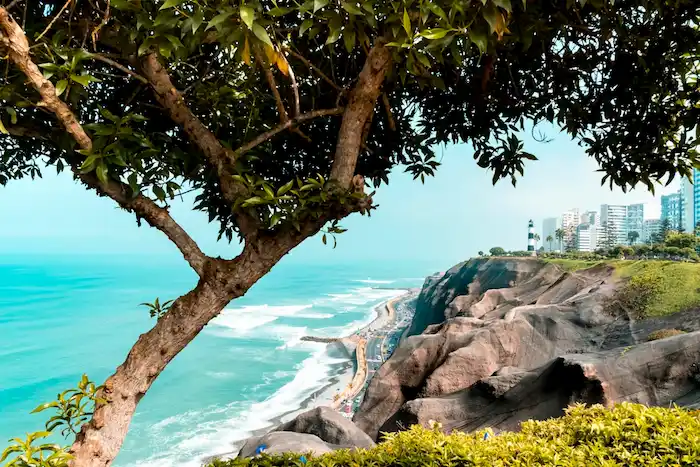
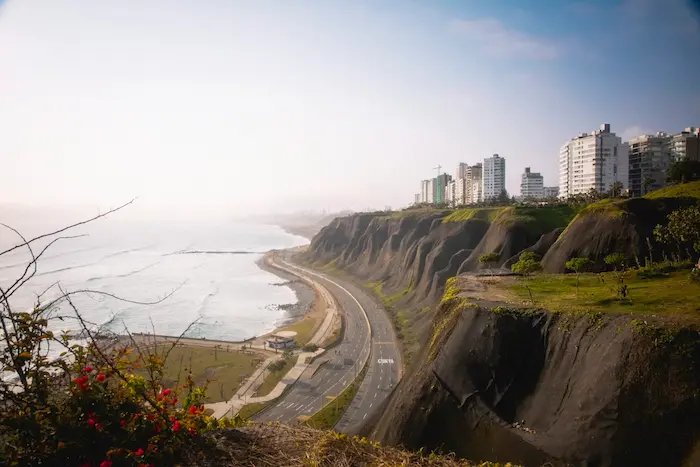
The coast is one of the best regions to visit during the summer in Peru. From December to March, coastal cities and beach towns enjoy warm temperatures, clear skies, and ideal conditions for outdoor activities. Destinations like Lima’s beaches, Mancora, and Paracas attract travelers looking to relax by the ocean, surf, or enjoy fresh seafood. Summer is peak beach season, with a lively atmosphere, festivals, and long sunny days perfect for coastal exploration.
Andean regions during the rainy season
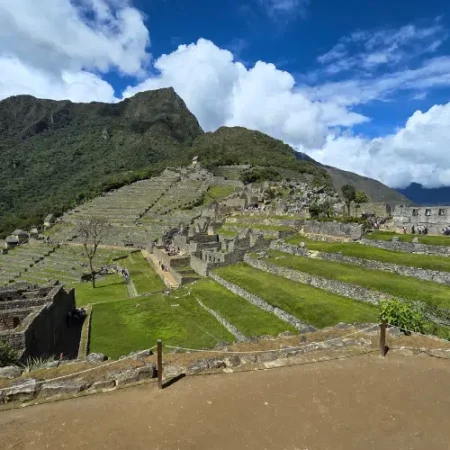
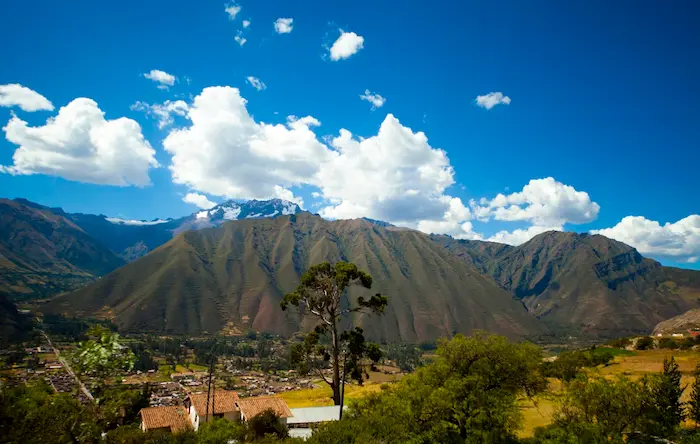
Traveling through the Andes during summer requires a bit more planning, as this is the rainy season in the highlands. Afternoon showers are common, but they also transform the landscapes into vibrant green scenery. Cultural cities like Cusco remain popular, though some hiking routes may be affected by weather conditions. When planning activities such as Machu Picchu treks, it’s important to consider trail availability, guided options, and alternative routes that are better suited for summer travel.
Amazon rainforest in summer
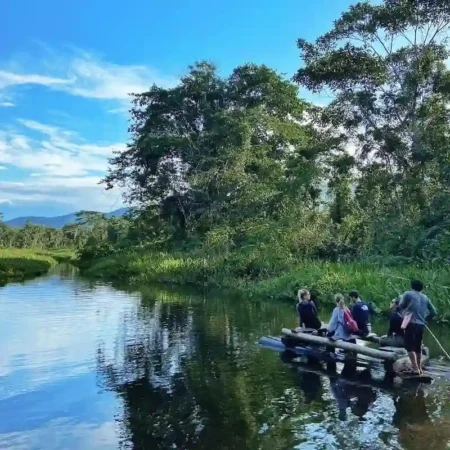
Summer in Peru is an excellent time to visit the Amazon rainforest for travelers interested in nature and biodiversity. Increased rainfall means higher river levels, making boat travel easier and allowing access to remote jungle areas. Wildlife activity is often more noticeable, and the rainforest feels especially alive during this season. Guided experiences and Peru treks in the Amazon offer opportunities to explore dense vegetation, spot exotic wildlife, and learn about local ecosystems while embracing the region’s tropical climate.
You might also be interested in: Which is the best time to visit Manu National Park (Manu Jungle)?
Things to do during the summer in Peru
Summer in Peru is a season full of movement, color, and outdoor energy. With warmer temperatures and longer days, travelers have plenty of opportunities to enjoy nature, cultural life, and active experiences across the country. Whether you prefer adventure, festivals, or scenic exploration, summer in Peru offers activities for every travel style.
Outdoor adventures and water activities
Summer is an excellent time for outdoor adventures, especially in coastal and desert regions. Warm weather and favorable conditions make it ideal for both water-based and land activities.
Popular summer activities include:
- Surfing and swimming along the northern coast, especially in beach towns like Máncora and Punta Sal.
- Sandboarding and dune buggy rides in desert areas such as Huacachina.
- Kayaking and paddleboarding in coastal bays and lagoons.
- Trekking routes adapted to summer conditions, including high-altitude options like Salkantay treks, which offer dramatic landscapes and a strong sense of adventure.
Cultural festivals and local events
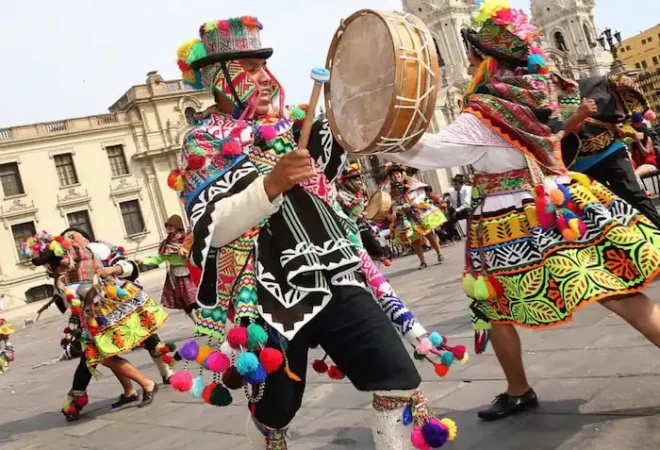
Summer in Peru is also a time of celebration, with numerous festivals and local events taking place across the country. These gatherings provide an excellent opportunity to experience traditional music, dance, and community life.
Some examples include:
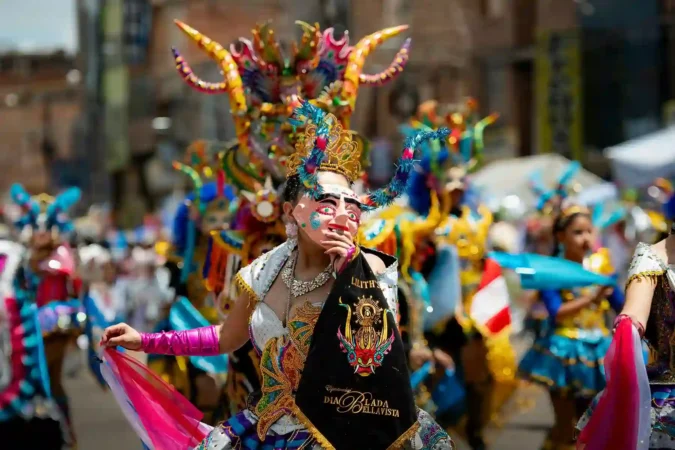
- Carnival celebrations in February feature water games, dances, and colorful street parties.
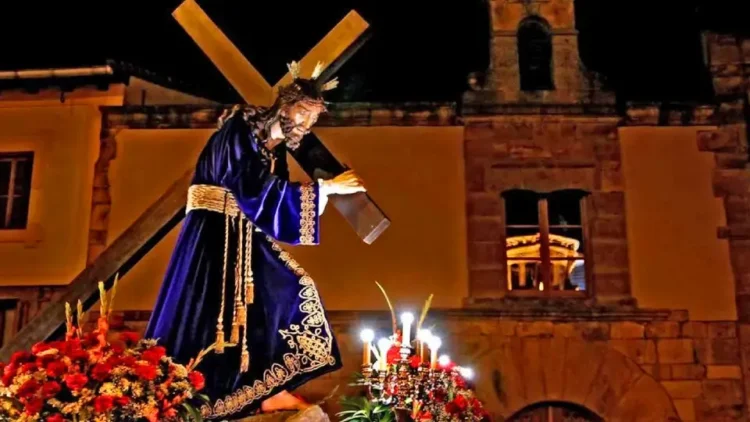
- Local patron saint festivals combine religious ceremonies with music and food fairs.
- Open-air concerts and cultural fairs in major cities during the peak summer months.
- Traditional dance performances are organized by local communities and cultural groups.
Nature, wildlife and scenic experiences
Nature is especially vibrant during summer in Peru, making it a great season for scenic exploration and wildlife observation. Rainfall in certain regions enhances landscapes and biodiversity.
Notable experiences include:
- Wildlife watching in the Amazon rainforest, where higher river levels improve access to remote areas.
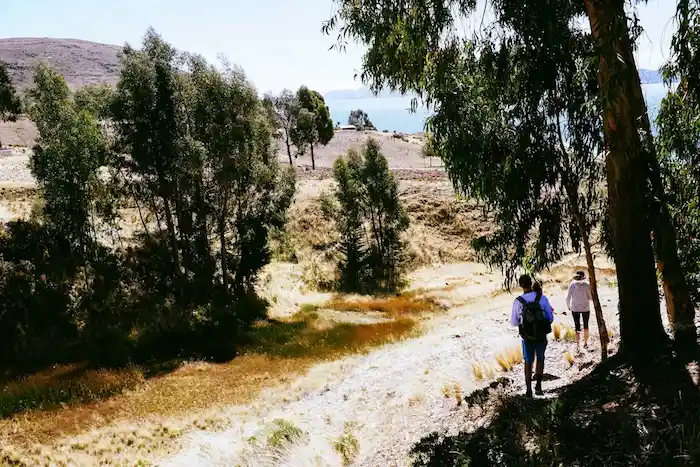
- Scenic hikes through green Andean valleys, offering panoramic views and photographic opportunities.
- Visits to natural reserves and coastal cliffs, ideal for birdwatching and sunset views.
- River excursions and jungle walks provide close contact with Peru’s diverse ecosystems.
These activities highlight why summer in Peru is such a versatile and rewarding season for travelers seeking adventure, culture, and nature.
You might also be interested in: Inca Trail packing list 2026 | Discover the best complete guide
Travel tips for summer in Peru
Traveling during the summer in Peru can be a rewarding experience if you are well prepared. Seasonal weather variations, increased tourism, and regional differences make planning especially important. These practical tips will help you stay comfortable, safe, and organized while making the most of your summer journey through Peru.
What to pack for summer travel
Packing for summer in Peru depends largely on the regions you plan to visit. While coastal areas are warm and sunny, the Andes and Amazon require different essentials.
Recommended items include:
- Lightweight and breathable clothing for coastal destinations and warm days.
- A light jacket or sweater for cooler evenings, especially in higher-altitude cities.
- Rain gear, such as a waterproof jacket or poncho, for the Andes and rainforest.
- Comfortable walking shoes or hiking boots for city exploration and outdoor activities.
- Sun protection, including sunscreen, sunglasses, and a hat.
- Insect repellent, particularly for Amazon travel.
Health, safety and weather considerations
Staying healthy and safe during summer in Peru involves adapting to climate conditions and being mindful of your surroundings. Hydration is essential, especially in hot coastal areas and at high altitudes. Travelers should also be aware of sudden weather changes, particularly afternoon rain in the Andes.
Helpful tips include:
- Drink plenty of water and take time to acclimate in high-altitude regions.
- Protect yourself from strong sun exposure, even on cloudy days.
- Keep personal belongings secure in crowded areas and during festivals.
- Follow local advice regarding weather conditions and road safety.
Transportation and itinerary planning
Summer is a busy travel season in Peru, so transportation and itinerary planning should be done in advance. Flights, buses, and tours can fill up quickly, especially during holidays and school vacations.
To travel smoothly during the summer in Peru:
- Book flights, accommodations, and tours early when traveling between December and February.
- Allow extra time for transportation in regions affected by rain or traffic.
- Consider flexible itineraries that can adapt to weather changes.
- Use reputable transportation services and guided tours for remote destinations.
With thoughtful planning and realistic expectations, summer in Peru can be an enjoyable and memorable time to explore the country’s diverse landscapes and cultures.
Is summer in Peru the right time for your trip?
Peru can be the perfect choice for travelers who truly enjoy sunny, slightly warm, and above all lively and dynamic environments; those that make the travel atmosphere feel a little different. So, if what you’re looking for is to explore more of Peru’s coastal side, this is the ideal moment to do so, while also enjoying the many beach activities, cultural events such as carnivals, and visiting cities known for their joy and festive spirit.
Of course, you can also travel to southern destinations such as Paracas Bay or head into the jungle to places like Puerto Maldonado. This season is generally very friendly for all types of travelers, but it does require a certain level of flexibility and thoughtful, detailed planning, especially if you’re planning to visit the Andes or high-altitude regions. During this time of year, some of the areas mentioned may experience rainfall, which can affect certain routines and activities. That’s why planning ahead and having the support can make a big difference.