
Book your Inca Trail 2026 with Go Treks Peru, local experts in small-group adventures. Don’t miss out!
Experience one of the world’s most iconic treks with the best Inca Trail tours to Machu Picchu. Walk ancient stone paths through breathtaking Andean landscapes, explore fascinating Inca archaeological sites, and arrive at the Sun Gate for your first unforgettable view of Machu Picchu.
Every traveler experiences the Inca Trail differently. Whether you’re looking for the complete classic trek, a shorter adventure, or a premium experience, choosing the right route will help you enjoy one of Peru’s most unforgettable journeys.

The Inca Trail is more than a hike to Machu Picchu. It’s a journey through ancient history, breathtaking landscapes, and unforgettable moments that have made it one of the world’s most iconic trekking experiences.

Follow the same stone trails built by the Incas centuries ago, passing archaeological sites that can only be reached on foot.

Experience the unforgettable moment of arriving at Inti Punku, where the first panoramic view of Machu Picchu rewards every step of the journey.

Walk through cloud forests, mountain passes, valleys, and lush Andean scenery, with each section offering a completely different perspective.

Only a limited number of permits are available each day, making the Inca Trail a more exclusive and carefully preserved experience.

Along the trail you’ll explore remarkable sites such as Wiñay Wayna, Sayacmarca, and Runkurakay, adding history and culture to every stage of the trek.
Choose your ideal Inca Trail experience for 2027 and get ready for an unforgettable journey to Machu Picchu. From the classic 4-day trek to shorter options, each route offers stunning landscapes, rich history, and a once-in-a-lifetime adventure.
From USD:
per person
From USD:
per person
From USD:
per person
From USD:
per person
From USD:
per person
From USD:
per person
From USD:
per person
Walking the Inca Trail is not only about reaching Machu Picchu. It is about following an ancient path surrounded by history, mountains, and archaeological sites. At Go Treks Peru, we carefully organize every detail of your trek so you can enjoy the route with confidence from the first day until your arrival at the Sun Gate.
Our experienced local guides know every section of the Inca Trail, from the first steps at Km 82 to the final arrival at Machu Picchu. They share the history, traditions, and hidden details behind the archaeological sites while helping you enjoy a safe and meaningful journey.
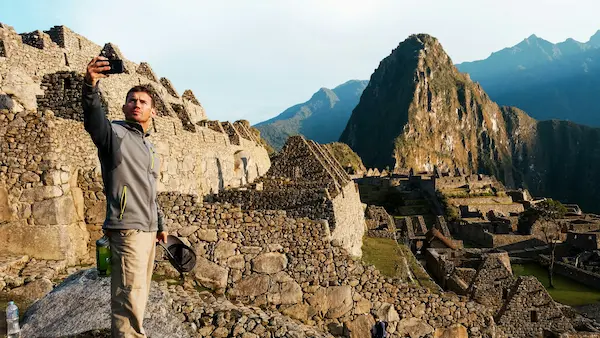
The Inca Trail is more than a hike through the Andes. Along the way, you will walk through original Inca pathways and visit remarkable places such as Wiñay Wayna, Phuyupatamarca, and other ancient settlements that reveal the engineering and history of the Inca civilization.

Because access to the Inca Trail is limited, permits must be arranged in advance. Our team manages this process first, then coordinates transportation, camps, meals, and all the logistics needed for your trekking experience.
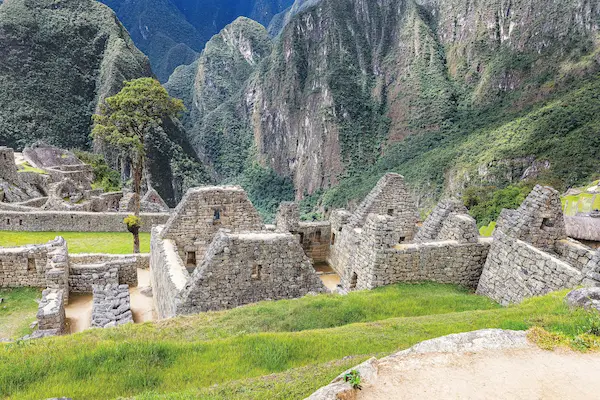
From preparation before departure to the final steps toward Machu Picchu, our team is available to support you. We coordinate every detail, including camps, meals, equipment, and daily logistics, allowing you to focus on enjoying the adventure.
Thousands of travelers trust Go Treks Peru for their adventure in Peru. With consistent 5-star ratings on TripAdvisor, Google, and more, our reputation is built on real experiences, excellent service, and unforgettable journeys.


Every Inca Trail adventure tells a story. From the first steps at the trailhead to the unforgettable arrival at Machu Picchu, here’s a glimpse of the experience waiting for you.
Planning your Ausangate Trek is easier when you know what to expect. Here you’ll find the essential information travelers look for before booking, helping you prepare with confidence and choose the adventure that’s right for you.
Whether you’re looking for a short hike or the complete Inca Trail experience, we offer different tour options to match your travel plans and budget.
Prices may vary depending on availability and optional upgrades.

Access to the Inca Trail is limited by the Peruvian government, and every traveler needs an official permit issued through a licensed tour operator.

The Inca Trail tour is considered a moderate to challenging trek. While no technical climbing experience is required, good physical condition and a couple of days of acclimatization in Cusco will help you enjoy the journey.
Difficulty
Moderate–Challenging
Best for

Packing the right gear makes your trek more comfortable and enjoyable. We recommend bringing only the essentials in a lightweight daypack.
The Inca Trail Tour is the most iconic trek in Peru, leading you through ancient Inca paths, breathtaking mountain landscapes, and fascinating archaeological sites before arriving at the majestic Machu Picchu. Experience history, adventure, and nature on a journey unlike any other.
Discover why this route is considered one of the most iconic Inca Trail Peru treks. More than just a hike, it’s a journey through history, nature, and personal achievement.

Rich history and ancient sites
Walk along original Inca paths and explore archaeological sites like Wiñay Wayna, Runkurakay, and Sayacmarca before reaching Machu Picchu.

Breathtaking andean landscapes
Experience diverse scenery, from high mountain passes to cloud forests, rivers, and panoramic views at every stage of the journey.

A rewarding physical challenge
This adventure combines effort and reward, giving you a deep sense of accomplishment as you reach the Sun Gate after days of trekking.

Guided and well-organized experience
Travel with experienced local guides who handle logistics, share cultural insights, and ensure a safe and smooth journey.

Limited and exclusive access
Permits are restricted to a limited number of travelers per day, making this a more intimate and well-preserved trekking experience.
The best time to hike the Inca trek is during the dry season, which runs from May to September. During these months, the weather is more predictable, with clear skies and moderate temperatures. However, if you prefer fewer crowds, the shoulder months of April and October can also offer a great experience.
The classic Inca route typically takes 4 days and 3 nights to complete. During this time, you’ll hike through diverse landscapes, explore ancient ruins, and reach the majestic Machu Picchu on the final day.
No, you cannot hike the Inca Path without a guide. The Peruvian government requires all trekkers on the Trail of the Incas to be accompanied by an authorized guide or tour operator for safety, environmental protection, and cultural preservation. This rule helps ensure a responsible and well-managed experience along the ancient Inca route.
Yes, the trail require advance booking, especially during peak season (April to September). The government of Peru limits the number of trekkers per day to preserve the trail, so it’s important to secure your spot early to avoid disappointment. Booking in advance ensures you get your preferred dates and time for this once-in-a-lifetime adventure.
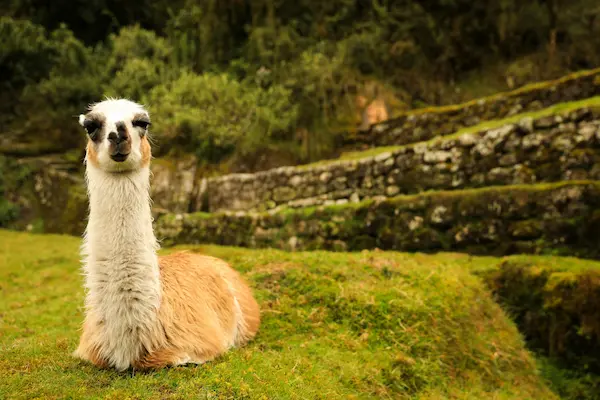
You may encounter various wildlife, including llamas, birds, and possibly the elusive spectacled bear.
1. Prepare for the Altitude
The Inca Trail reaches elevations of over 4,200 m (13,780 ft). Arriving in Cusco at least 2–3 days before your trek gives your body time to adjust and helps reduce the risk of altitude sickness.
2. Choose the Right Inca Trail Tour
Select the tour that best matches your available time, fitness level, and travel style. Whether you prefer a short adventure or the complete classic trek, choosing the right option will make your experience even more enjoyable.
3. Pack Smart for the Trail
Bring lightweight essentials such as comfortable hiking shoes, layered clothing, a waterproof jacket, sunscreen, a hat, and a reusable water bottle. Packing only what you need makes the hike much more comfortable.
4. Book Your Tour Early
Inca Trail permits are limited and often sell out several months in advance, especially between May and September. Booking early gives you the best chance of securing your preferred travel date.