
If you’re wondering what to do in Peru, you’ve come to the right place, where you’ll find everything you need to know. Peru is one of the most captivating countries in the world, a land where ancient civilizations, stunning natural landscapes, and living culture meet in a single, unforgettable destination. From the high peaks of the Andes to the untouched depths of the Amazon, Peru offers an astonishing variety of experiences that appeal to every kind of traveler. Whether you’re planning your first visit or returning for a deeper journey, the question of what to do in Peru often opens the door to endless possibilities. The real challenge is choosing where to start.
In this in-depth guide, we explore twelve unforgettable experiences that reveal the heart and soul of Peru. These adventures go far beyond sightseeing — they invite you to connect with Peru’s living heritage, its breathtaking environments, and its resilient people. Each destination holds something unique, whether it’s a sacred mountain trail, a vibrant local festival, or the sound of the jungle awakening at dawn. Let this be your compass for discovering the real Peru.
You might be interested in reading: 9 Wonderful Tourist places in the Peruvian jungle
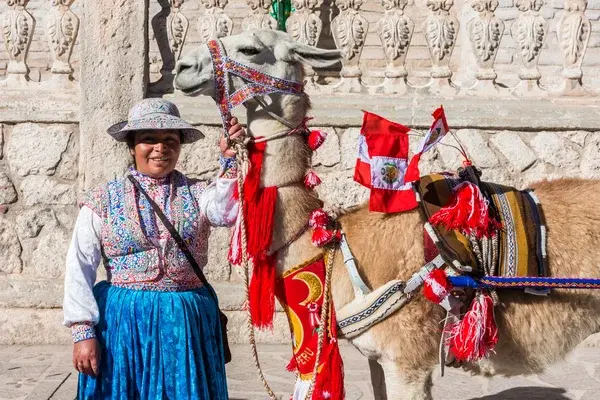
12 Unforgettable experiences in Peru
1. Machu Picchu
Standing at over 7,000 feet above sea level, Machu Picchu is the crown jewel of Peru and one of the most iconic archaeological sites on the planet. This 15th-century citadel, once a thriving Inca city, is hidden high in the cloud forests and surrounded by towering green peaks. But the magic of Machu Picchu lies in more than just its stone terraces and temples. It’s about the silence of sunrise over the ruins, the mystery of Inca engineering, and the journey it takes to get there.
While many reach it by train, the more adventurous choose a route like the Salkantay trek, which takes you across glacial passes, high-altitude jungles, and remote valleys before arriving at the lost city. Walking these ancient paths gives a deeper perspective on the spiritual significance of the site and the strength of the people who once called it home.
2. Cusco
Often overlooked as just a starting point to reach Machu Picchu, Cusco is in fact one of the most remarkable cities in South America. Once the capital of the Inca Empire, it now blends centuries of Indigenous tradition with colonial Spanish architecture and modern flair. Walking through Cusco is like moving through layers of history — stone streets lead to sun temples, baroque churches stand on Inca walls, and vibrant markets offer handmade textiles and Andean herbs.
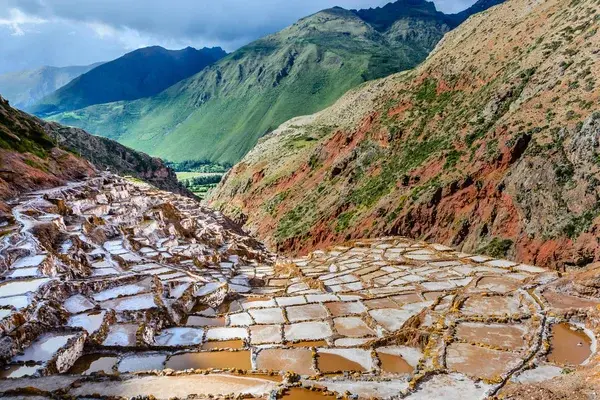
Beyond the historic center, a variety of Peru tours reveal its surrounding wonders — including the ruins of Sacsayhuamán, the salt mines of Maras, and the circular terraces of Moray. Whether you’re a history buff, a photographer, or a traveler looking to connect with local communities, Cusco delivers more than a gateway — it’s a living museum.
3. The Sacred Valley
Just a short drive from Cusco, the Sacred Valley offers travelers an immersive blend of natural beauty, Indigenous culture, and ancient ruins. This fertile valley was once a key agricultural hub for the Inca Empire, and its mild climate and dramatic scenery still make it a favorite among visitors today.
The valley is home to historic towns like Pisac and Ollantaytambo, where you can walk among ancient terraces, shop in artisanal markets, and experience traditional Andean life. With the guidance of a trusted Peru tour operator, you’ll uncover hidden archaeological sites, visit weaving cooperatives, and enjoy farm-to-table meals prepared by local families. The Sacred Valley isn’t just a stop along the way — it’s a destination rich in heart and heritage.
4. Lake Titicaca
High in the Andes on the border between Peru and Bolivia lies Lake Titicaca, the largest lake in South America and the highest navigable body of water in the world. According to Andean mythology, this sacred lake is the birthplace of the sun and the origin of the Inca civilization.
But its real magic lies in the lives of the people who call it home. The Uros people, for example, have built floating islands entirely from totora reeds. Staying with local families on islands like Amantani or Taquile provides a powerful cultural exchange. You’ll share meals, stories, and traditions, experiencing a way of life that has survived for centuries. Lake Titicaca is not only scenic — it’s deeply human and profoundly spiritual.
5. Manu National Park
Far removed from the well-trodden tourist trail, Manu National Park is a hidden jewel in Peru’s southeastern Amazon region. It is one of the most biologically diverse places on Earth, where thousands of plant, bird, and mammal species live in harmony within untouched rainforest.
Exploring this pristine environment with experienced guides from Manu tours Peru means traveling deep into a realm where nature rules. You’ll canoe through oxbow lakes, hike under dense canopies, and watch macaws, capybaras, and possibly even jaguars in their natural habitat. Beyond its ecological wonder, Manu offers travelers a rare chance to disconnect from modern life and reconnect with the rhythms of the Earth.
6. Rainbow Mountain
With its surreal bands of red, turquoise, gold, and lavender, Rainbow Mountain (Vinicunca) looks like something from another planet. Located in the Andes southeast of Cusco, this geological marvel has become one of Peru’s most photographed sites — but its popularity hasn’t diminished its power.
Reaching the summit requires a high-altitude hike, often undertaken by those already acclimatized in Cusco. Along the way, you’ll pass herds of alpacas, views of glaciers, and wide Andean plains. For a less-crowded alternative, consider visiting the nearby Palccoyo Rainbow Mountain. These colorful peaks are proof of Peru’s geological richness — and a reminder of nature’s artistry.
7. Colca Canyon
Twice as deep as the Grand Canyon, Colca Canyon is an astonishing landscape carved by rivers and time. Its dramatic cliffs are home to the majestic Andean condor, which can often be seen soaring just overhead. Trekking through the canyon offers views of pre-Inca terraces, remote villages, and steaming hot springs.
This region also offers insight into the daily lives of the Collagua and Cabana people, who continue to farm and live in harmony with the land. If you’re passionate about trekking in Peru, this is a destination that combines physical challenge with cultural immersion and natural wonder.
8. Arequipa and the white city
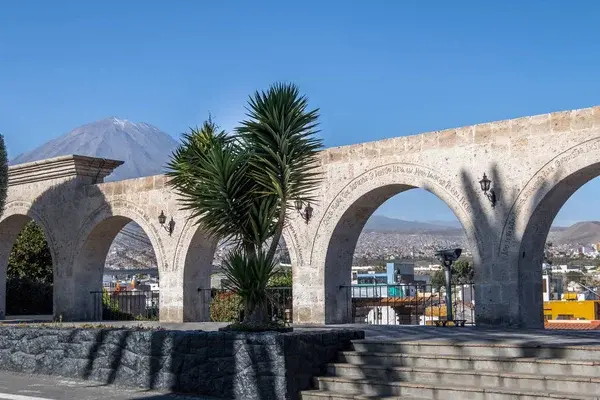
Known as “La Ciudad Blanca” for its white volcanic stone architecture, Arequipa is a charming colonial city surrounded by three impressive volcanoes. Its historic center, a UNESCO World Heritage Site, boasts beautiful baroque churches, mansions, and one of the most fascinating monasteries in Latin America: Santa Catalina.
But Arequipa is more than just aesthetics. Its cuisine is celebrated across Peru, with local specialties like rocoto relleno and chupe de camarones. The city also serves as the cultural entry point to the Colca Canyon, making it an essential stop for anyone exploring southern Peru.
You might be interested in reading: 25 Things to know before traveling to Peru
9. Huascarán national park
Nestled in the Cordillera Blanca mountain range, Huascarán National Park is a paradise for mountaineers, trekkers, and nature lovers. Home to Peru’s highest peak, Huascarán, and over 600 glaciers and turquoise lakes, the park offers some of the most breathtaking scenery in the Andes.
Its trails range from easy day hikes to challenging multi-day routes like the Santa Cruz trek. This region is also rich in culture — home to Quechua-speaking communities and traditional Andean farming practices. The contrast of sharp white peaks against deep green valleys makes this an unforgettable corner of the country.
10. Nazca lines
Etched into the desert plains of southern Peru, the Nazca Lines remain one of the world’s greatest archaeological mysteries. These massive geoglyphs — depicting animals, plants, and geometric patterns — stretch for kilometers and can only be fully appreciated from the air.
Taking a flight above the lines gives you a perspective that still puzzles scholars today. Who made them? Why? While theories abound, the mystery only adds to their allure. Pair your flight with a visit to the local museum and ancient aqueducts for a deeper understanding of the Nazca civilization.
11. Paracas and the Ballestas islands
Often called “the poor man’s Galapagos,” the Ballestas Islands off the coast of Paracas are home to an abundance of wildlife — including sea lions, Humboldt penguins, and vast colonies of seabirds. A boat tour offers close-up views of the islands’ dramatic rock formations and the mysterious Candelabra geoglyph.
Back on the mainland, Paracas is a great base for adventure sports, dune buggies, and exploring the Paracas National Reserve. For nature lovers, it’s a reminder that Peru’s coastline is just as rich and diverse as its mountains and jungle.
12. Ausangate mountain
Ausangate is not just a mountain — it’s a sacred presence in Andean cosmology. Towering over 6,300 meters, this glacier-covered giant offers one of the most spectacular and isolated trekking circuits in Peru. Far less crowded than other routes, the Ausangate trek is a multi-day journey through rainbow-colored landscapes, hot springs, and traditional herding communities.
Best time to visit peru based on experience type
One of the most common mistakes travelers make when planning a trip to Peru is underestimating the country’s incredibly diverse geography and climate. Because Peru spans desert coastlines, towering Andes mountains, and the Amazon rainforest, the best time to visit really depends on what kind of experience you’re looking for.
For those planning high-altitude adventures in Cusco, the Sacred Valley, or any of the popular treks like the Ausangate trek or Inca trail, the dry season from May to September is ideal. During these months, skies are clearer, rainfall is minimal, and trails are safer and more accessible. However, it’s also the busiest time, so booking early is essential. If you prefer fewer crowds, late April or early October can still offer favorable conditions with a quieter atmosphere.
For jungle expeditions to destinations like Manu National Park, the shoulder seasons are also preferred. The Amazon can be visited year-round, but avoiding the heavy rains of January to March improves wildlife visibility and comfort. Coastal destinations like Paracas and Lima have their own rhythm; summer on the coast (December to March) brings sunshine and beach-friendly weather, while the rest of the year tends to be overcast but still perfectly pleasant for nature activities and marine life tours.
In short, understanding regional weather patterns not only helps you pack properly — it ensures your journey aligns with the landscapes and experiences you came to Peru to enjoy.
Why choose a local Peru tour operator
With so many travel options available online, it’s easy to feel overwhelmed when trying to plan your trip to Peru. That’s where working with a trusted local peru tour operator makes all the difference. Booking through a locally based team doesn’t just save you time and stress — it provides access to authentic, deeply rooted experiences that international agencies often overlook.
A reputable local operator like Go Treks Peru offers unmatched knowledge of the terrain, climate, and cultural nuances of each region. From managing permits for high-altitude treks to ensuring your accommodations are clean, safe, and locally owned, a dedicated team on the ground can tailor your trip to your interests and comfort level. More importantly, your travel dollars directly benefit the communities you visit, supporting sustainable tourism and cultural preservation.
By choosing local, you’re not just seeing Peru — you’re building relationships, giving back, and leaving a positive impact. Whether it’s organizing a private trek through the Ausangate trek, crafting a custom itinerary through the jungle, or arranging intimate Peru tours, a local operator ensures your journey is personal, ethical, and unforgettable.
You might be interested in reading: The chasquis: The Inca Empire messengers
What to do in Peru: Find your own Peru
There is no single way to answer the question what to do in Peru, because every journey here is as personal as it is transformative. For some, it’s the challenge of crossing high mountain passes in silence, with only the wind and their footsteps as company. For others, it’s sharing coca tea with a Quechua family, or watching the sun rise over Machu Picchu after days of hiking. It might be the sound of the jungle at night, the explosion of flavor in a traditional market, or the stillness of a remote lake reflecting the stars.
Peru is a place that invites you to slow down, open your senses, and listen to the stories held in every stone, trail, and river. It’s where adventure becomes personal, and every step takes you deeper into the heart of something ancient and alive. Whether you’re seeking connection, challenge, or meaning, Peru delivers something far greater than a postcard memory — it offers perspective.
At Go Treks Peru, we don’t just show you the sites. We guide you toward experiences that stay with you forever. Now that you’ve explored what to do in Peru, it’s time to choose your own path — and let Peru leave its mark on you.


