
There’s a place in the world where the forest breathes louder than the cities, where rivers stretch like endless mirrors beneath walls of green, and where ancient cultures remain rooted in silence and ceremony. That place is the Peruvian jungle. Rich in biodiversity, shaped by millennia of natural evolution, and alive with stories, this region covers more than 60% of Peru’s land yet remains far less traveled than its Andean neighbors. Its remoteness is part of its allure. To reach the jungle is to seek something raw, unpredictable, and real.
In Peru, the jungle isn’t just a backdrop for eco-tourism—it’s a living ecosystem with layers of history, language, and tradition that run as deep as its rivers. From the floating villages of the lowland Amazon to the misty cloud forests at the foot of the Andes, this region is a treasure trove for explorers, photographers, wildlife lovers, and anyone curious enough to venture beyond the usual travel routes.
This guide introduces nine extraordinary destinations that reveal the range and magic of the Peruvian jungle. Each place offers its own connection to nature and culture, from majestic waterfalls and wildlife reserves to spiritual ceremonies and Indigenous communities. But first, it’s important to understand what makes this part of the country so exceptional.
The geography of the Jungle
Peru’s jungle can be divided into two major zones: the high jungle (selva alta) and the low jungle (selva baja). The high jungle, located on the eastern flanks of the Andes, is where cloud forests flourish with moss-covered trees, hanging vines, and orchid-filled hillsides. This transition zone is cooler, more mountainous, and often more accessible for travelers coming from the highlands. Destinations like Tarapoto and Chachapoyas lie in this zone.
Further east, the landscape descends into the low jungle—a vast, steamy, flat expanse dominated by the Amazon Basin. This is where rivers become the main roads, animals reign supreme, and remote lodges offer the only access to some of the wildest corners of the country. Places like Iquitos, Manu, and Tambopata are emblematic of this environment.
Both regions play a vital role in global climate regulation and biodiversity. The Peruvian jungle contains an estimated 20% of the planet’s bird species and thousands of plant species, many of which are found nowhere else on Earth.
You might be interested in reading: 25 Things to know before traveling to Peru
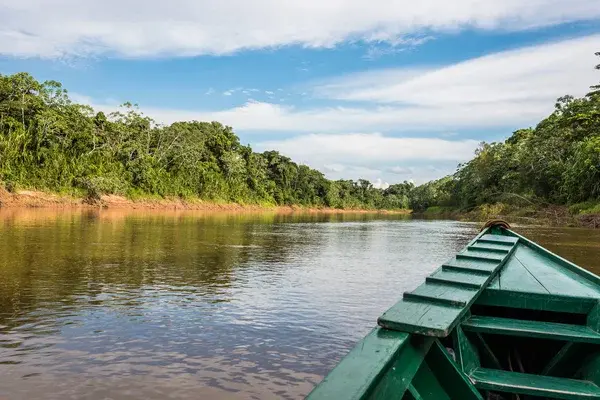
Tourist places in the Peruvian jungle
Tourist places in the Peruvian jungle offer a rich variety of experiences, from vibrant river cities like Iquitos to hidden cloud forest ruins near Chachapoyas. Each destination reveals a different side of this vast region, where lush landscapes, exotic wildlife, and ancient cultures invite travelers to explore deeper and connect with the raw beauty of nature.
1. Iquitos
As the largest city in the world inaccessible by road, Iquitos is a destination shaped entirely by its geography. Surrounded by rivers and dense rainforest, it exists in harmony—and sometimes in tension—with the jungle around it. The city has a fascinating blend of historical layers: remnants of the rubber boom can still be seen in its Art Nouveau buildings, while daily life continues in floating houses along the riverbanks and motorized boats that serve as public transport.
Iquitos is more than just a launchpad. It’s a cultural capital of the Amazon, where travelers can dive into regional cuisine, traditional medicine, and Indigenous art. From here, excursions head into the Pacaya Samiria National Reserve, an enormous flooded forest filled with wildlife such as pink dolphins, monkeys, and dozens of bird species. Spending several days on a river cruise or in a rustic lodge offers a full immersion into the complexity and beauty of the Amazon.
This part of the peruvian jungle is also a center for spiritual tourism, with many visitors seeking guidance through traditional healing ceremonies like ayahuasca, led by trained shamans. Though not for everyone, these practices are rooted in centuries of ancestral knowledge and are treated with deep respect by the local communities who offer them.
2. Puerto Maldonado and Tambopata
In southeastern Peru, near the borders of Bolivia and Brazil, lies the city of Puerto Maldonado. This small jungle town serves as a key entry point to the Tambopata National Reserve, one of the most biodiverse areas in the world. Tambopata is where wildlife watching becomes extraordinary: capybaras roam riverbanks, giant river otters patrol lagoons, and scarlet macaws gather in noisy flocks above salt licks.
Travelers typically stay in eco-lodges, many of which are only reachable by boat and built with sustainable practices in mind. These lodges offer an incredible experience that balances comfort with deep immersion in nature. Night walks reveal nocturnal insects, reptiles, and the haunting calls of owls. Sunrise canoe trips often become once-in-a-lifetime encounters with rare species.
What makes Tambopata especially valuable is its accessibility from Cusco, making it a popular add-on for travelers coming off adventures like the Salkantay trek or Ausangate trek. In just a short flight, you move from glacier-topped peaks to dense, warm jungle—offering a striking contrast that adds depth to your journey through Peru.
3. Manu National Park
For the most devoted nature lovers, Manu National Park is the ultimate destination. Recognized as a UNESCO Biosphere Reserve, Manu spans over 1.7 million hectares and bridges three ecological zones, from high-altitude grasslands down into the thick Amazon rainforest. Few places on Earth offer this level of ecological diversity in one continuous landscape.
Traveling to Manu is an adventure in itself. It takes several days to reach the inner zones, usually by 4×4 and longboat. But what awaits is astonishing: more than 1,000 bird species, 13 types of monkeys, 15,000 known plant species, and communities that have lived in this forest for centuries with little contact with the outside world.
Unlike other parks that feel curated or controlled, Manu remains truly wild. Visitors may stay in basic eco-lodges, but the true luxury here is silence, immersion, and an overwhelming sense of connection to the natural world. For travelers booking with an experienced Peru tour operator, visiting Manu becomes a transformative expedition rather than just a trip.
4. Tarapoto
In the high jungle region of San Martín, Tarapoto stands out as one of the most accessible and rewarding jungle cities. It offers the perfect balance between natural wonders and urban comforts, making it a great base for travelers looking to explore without venturing too far off the beaten path.
Surrounded by waterfalls, Tarapoto’s landscape is filled with short hikes that lead to stunning swimming spots like Ahuashiyacu Falls. The nearby town of Lamas offers cultural depth, home to the Quechua-speaking Lamista people who maintain vibrant traditions and artisanal crafts. It’s a beautiful place to witness the intersection of jungle biodiversity and cultural resilience.
The area is also known for its excellent coffee, cacao, and jungle honey production. Visitors can tour plantations, taste regional chocolates, and engage in sustainable tourism that supports local farmers. If you’re building an itinerary that includes Peru tours, a stop in Tarapoto can add richness and relaxation before or after the mountains.
5. Pucallpa
Located along the Ucayali River, Pucallpa is often overshadowed by Iquitos but holds deep significance, particularly as the spiritual home of the Shipibo-Conibo people. Known for their striking geometric textile patterns and profound knowledge of medicinal plants, the Shipibo-Conibo represent one of the most culturally rich Indigenous groups in the Amazon.
Visitors can explore Yarinacocha Lake, a calm body of water surrounded by forest that provides birdwatching, boat tours, and quiet moments of reflection. Many community members offer workshops in natural dyeing, traditional singing, and Shipibo cosmovision.
While not a wildlife hotspot, Pucallpa offers something equally important: the chance to learn. It’s one of the few places where travelers can interact meaningfully with local people and come away with a deeper understanding of the human spirit that lives within the peruvian jungle.
6. Oxapampa and Pozuzo
It’s not every day you find Bavarian architecture in the Amazon, but that’s exactly what makes Oxapampa and Pozuzo so fascinating. These towns, settled by German and Austrian immigrants in the 19th century, still preserve European customs, architecture, and cuisine—blending it all into a jungle setting surrounded by mountains, rivers, and dense greenery.
Visitors can enjoy the charm of alpine guesthouses, sample cheeses and sausages, and attend cultural festivals that blend Tyrolean music with Peruvian warmth. The nearby Yanachaga-Chemillén National Park protects cloud forest ecosystems, home to spectacled bears, orchids, and countless bird species.
This unique mix of culture and nature makes Oxapampa a compelling alternative to traditional jungle trips, especially for those who want variety or are following a more extensive route through trekking in Peru.
7. Chachapoyas
In the far north of Peru lies the gateway to the Amazonas region: Chachapoyas, a city full of myths, archaeological sites, and staggering natural scenery. Known for its cloud forests and ancient ruins, the region is home to the impressive fortress of Kuelap, often referred to as the “Machu Picchu of the north.” Unlike its southern cousin, Kuelap remains uncrowded and deeply atmospheric.
Nearby, Gocta Falls—one of the tallest waterfalls in the world—plunges more than 700 meters into the jungle below. The hike to the falls winds through forest trails rich with birds and butterflies, revealing just how alive and accessible the high jungle can be.
If you’re curious about blending history and nature, few places in the peruvian jungle offer such a compelling narrative.
8. Moyobamba
A lesser-known gem in the high jungle is Moyobamba, famed for its orchid gardens and tranquil hot springs. It’s a peaceful town where life moves slowly and nature reveals its delicate side—through butterflies, medicinal herbs, and floral biodiversity.
Visitors can explore botanical centers or bathe in thermal waters like Baños Termales de San Mateo, which are popular with locals and seldom crowded. For those seeking a slow-travel approach to the jungle, Moyobamba is a perfect place to unwind and reconnect with the subtler rhythms of nature.
9. Tingo María
Last but not least, Tingo María in the Huánuco region offers scenic landscapes dominated by the Sleeping Beauty Mountain, named for its resemblance to a woman lying down. The area is rich in caves and waterfalls, and the Tingo María National Park is perfect for light trekking, birdwatching, and cave exploration.It’s an emerging destination for eco-tourism, offering close encounters with nature while staying off the radar of mass tourism. For adventurous travelers looking to venture further, it’s a powerful addition to a Manu tours Peru itinerary or a stand-alone escape into jungle tranquility.
Why the peruvian jungle deserves a spot on your bucket list
There’s something transformative about stepping into a world where the canopy folds tight overhead and the symphony of nature begins in the darkness. Here, time slows down, the senses sharpen, and each breath feels connected to a primal rhythm older than recorded history.
Whether you’re hiking above cloud-kissed mountains or drifting silently in a canoe, the peruvian jungle offers depth—an immersive reality that challenges your perception of nature, culture, and home. It brings perspective, wonder, and humility to every traveler open to the experience.
Planning the perfect jungle expedition
At Go Treks Peru, we craft journeys that go beyond checklist tourism. We blend Andean treks, rainforest lodges, wildlife safaris, and cultural narratives into cohesive adventures with expert local guides. Whether you’re pairing the Ausangate trek with a lodge in Tambopata or exploring Amazonian rituals in Pucallpa, our expeditions are designed to deliver layered, purposeful travel.
You might be interested in reading: The chasquis: The Inca Empire messengers
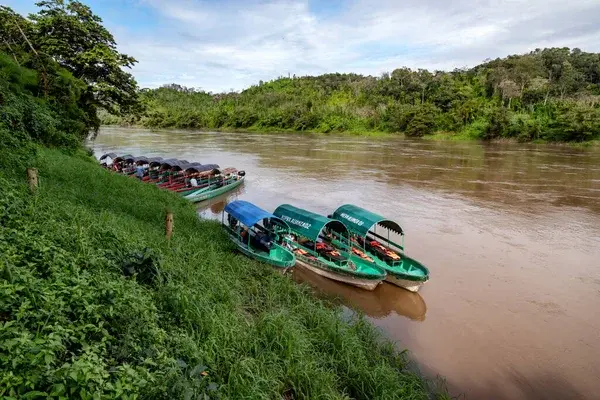
An invitation to true immersion
The peruvian jungle is alive. It breathes, it pulses, and it holds stories in every leaf and river bend. Traveling here is not just seeing—it is witnessing. It’s a bond with the powerful forces of life, culture, and landscape that continue to shape us all.
If you’re ready for a journey into the heart of nature—guided by local expertise, rooted in respect, and rich in discovery—Go Treks Peru is here to lead you each step of the way. Contact us to begin planning the jungle experience of your lifetime.


