
When people think about the Inca Empire, they often imagine Machu Picchu, impressive stone walls and the mountains of Cusco. But some of the most valuable clues about Inca society come from something much smaller: the objects they created, used and preserved.
The famous inca artifacts found throughout Peru reveal how the Incas organized their empire, practiced religion, managed resources and expressed social status. These objects include textiles, ceramics, ceremonial vessels, quipus, weapons and finely crafted objects made from wood, stone and precious metals.
However, there is an important distinction to make. Not every ancient object discovered in Peru is necessarily Inca, and not every famous Inca object was found at Machu Picchu. The Andes were home to several sophisticated civilizations before the rise of the Inca Empire.
With that in mind, here are some of the most interesting famous inca artifacts to know before exploring Peru’s archaeological heritage.
What makes an artifact truly Inca?
Before looking at individual objects, it helps to understand what makes an artifact part of Inca material culture.
The Inca Empire developed from a long Andean tradition. When the Incas expanded across western South America, they incorporated techniques, artistic styles and traditions from communities they conquered.
Inca craftsmanship and materials
Inca artisans worked with a remarkable variety of materials, including:
- Cotton and camelid fibers
- Wood
- Clay
- Stone
- Silver
- Gold
- Feathers
- Animal materials
The material used often depended on the purpose of the object and the social or ceremonial context in which it was used.
Religious and ceremonial objects
Religion was deeply integrated into Inca society. Objects could therefore have meanings that went far beyond their practical function.
Ceremonial vessels, textiles and precious-metal objects could be associated with offerings, rituals, political authority or relationships with the natural and supernatural worlds.
Everyday objects and tools
Not every artifact was created for a ceremony.
Agricultural tools, pottery and weapons can tell us about ordinary activities and the practical organization of the empire. Looking at these objects together gives us a more complete picture of Inca life.
12 famous Inca artifacts you should know
1. Quipus
Quipus are among the most fascinating examples of Inca material culture.
They consisted of cords with knots arranged according to specific systems. They were associated with information management and administration across an enormous empire.
What were quipus used for?
Researchers believe quipus were used to record numerical information, including quantities related to resources, populations and administrative activities.
Their existence demonstrates how the Incas managed information without relying on a conventional written alphabet.
Why are quipus still difficult to understand?
Although researchers understand many aspects of their numerical structure, the full meaning of every quipu remains unresolved.
That mystery is part of what makes them so fascinating among famous inca artifacts.
You might be interested in: What is the Lord of Miracles? Meaning of the purple tradition

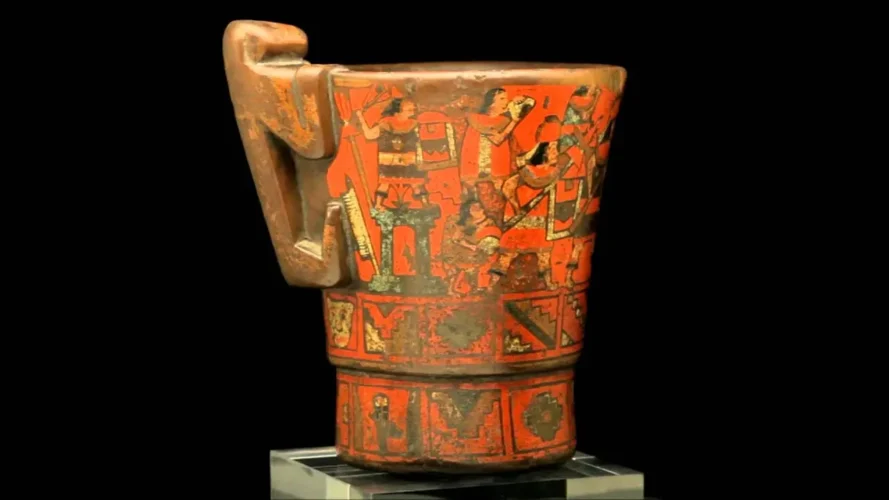
2. Inca keros
Keros were ceremonial vessels, particularly associated with the Andean highlands.
Many were made from wood and decorated with geometric patterns, figures and scenes.
Why were keros important?
These vessels could be used in ceremonial and social contexts. Their decoration also provides clues about Andean symbolism and changing artistic traditions.
Keros are especially interesting because their use continued beyond the height of the Inca Empire.
3. Inca textiles
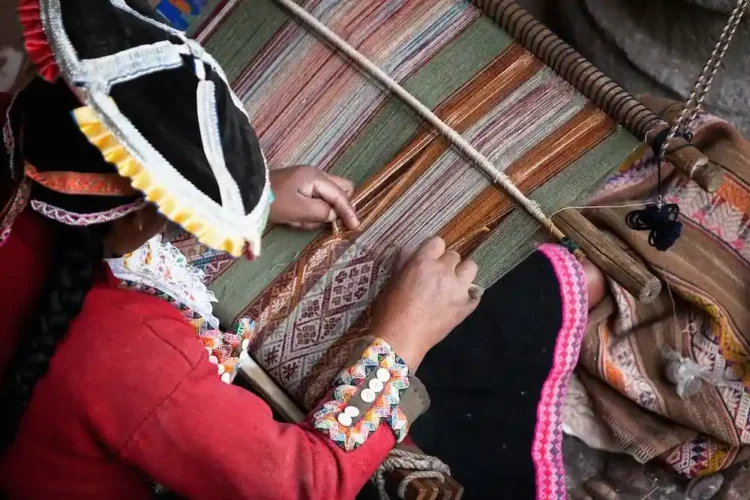
Textiles were among the most valuable products in the Inca world.
Why were textiles so important?
Clothing could communicate status, identity and political position. Certain high-quality textiles were associated with elite groups and important ceremonies.
The technical skill involved in producing fine Andean textiles also demonstrates the sophisticated organization of labor within the empire.
For this reason, textiles are some of the most important famous inca artifacts for understanding social hierarchy.
4. Gold and silver objects
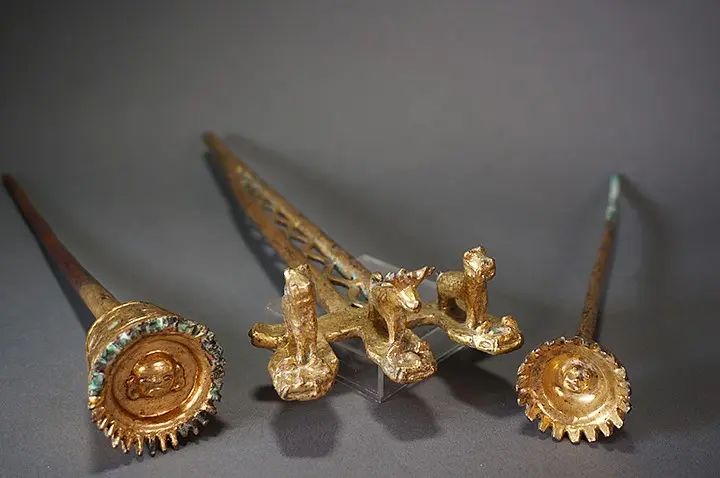
Gold and silver objects are perhaps the artifacts most strongly associated with popular images of the Incas.
Why was gold important?
Gold had religious and symbolic importance within Inca society. It was associated with the sun and could be used in ceremonial contexts.
The European interpretation of Inca gold, however, was very different. Spanish conquistadors often viewed precious metals primarily in terms of their material and monetary value.
This difference in perspective is essential when interpreting famous inca artifacts made from precious metals.
5. Inca pottery
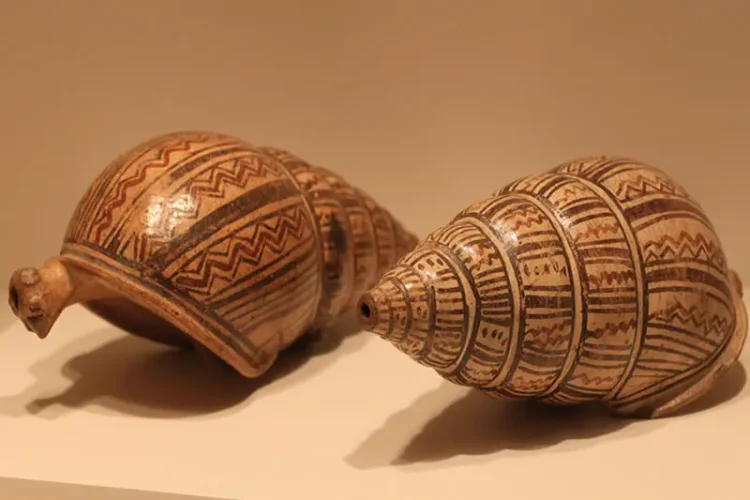
Pottery was essential for both everyday activities and ceremonial purposes.
What did Inca pottery look like?
Inca ceramics often featured distinctive shapes, geometric decoration and carefully standardized designs.
The aryballos, a vessel with a narrow neck and pointed base, is one of the forms strongly associated with Inca pottery.
What was pottery used for?
Ceramic vessels could be used to store, transport and serve food and beverages. Some also had ceremonial functions.
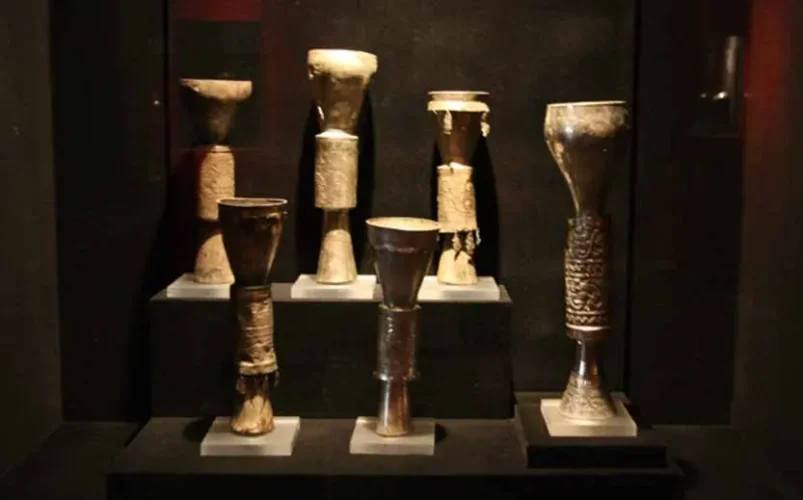
6. Ceremonial vessels
Beyond ordinary pottery, the Incas produced vessels specifically connected with rituals and important social occasions.
Why were vessels important?
Food and drink were closely connected to ceremonies, hospitality and relationships of reciprocity.
An object that looks simple at first can therefore reveal important information about how Inca society functioned.
7. Inca weapons
Weapons provide another perspective on the empire.
Spears, slings and other weapons
Andean warriors used weapons such as spears, clubs and slings. Different regions also developed their own variations and traditions.
What do weapons reveal?
They provide evidence of military organization and the importance of warfare during the expansion of the Inca state.
8. The tumi
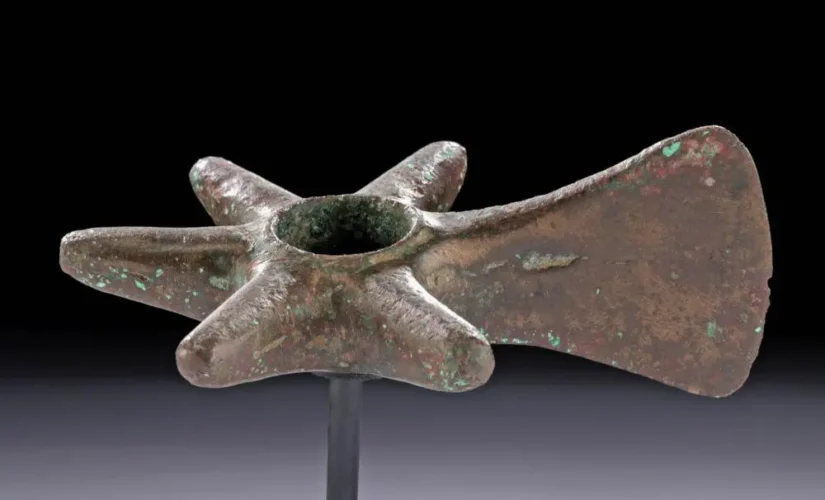
The tumi is one of the most recognizable objects associated with ancient Peru.
Was the tumi exclusively Inca?
Not necessarily.
Tum is are strongly associated with several Andean cultures and were produced before, during and after the Inca period.
This is an important reminder that the phrase famous inca artifacts can sometimes be used too broadly when discussing objects from ancient Peru.
The tumi is best understood within the wider history of Andean civilization rather than automatically being classified as exclusively Inca.
9. Carved wooden objects
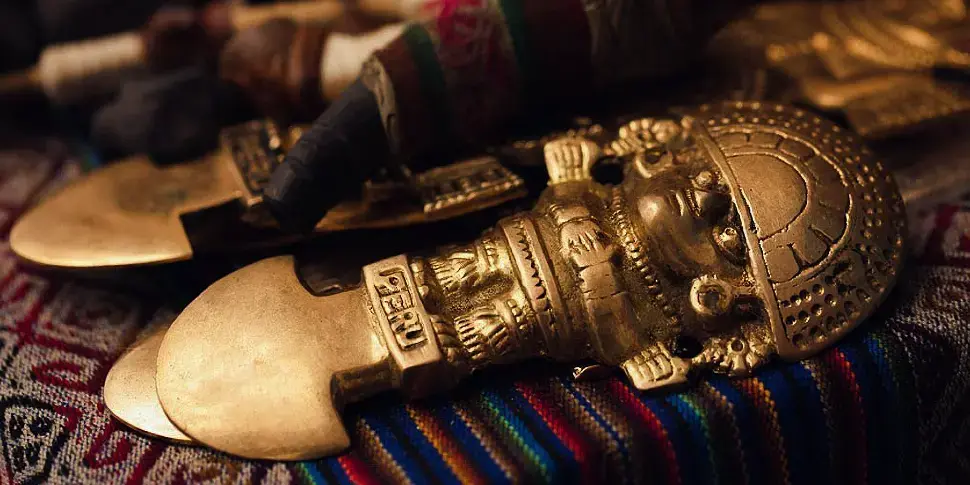
Wooden objects were also part of Andean material culture.
Why has less wood survived?
Unlike stone and some metals, wood is vulnerable to humidity, insects and decomposition.
As a result, archaeological collections contain fewer preserved wooden objects than stone or ceramic pieces.
Those that survive can nevertheless provide valuable information about craftsmanship and ceremonial practices.

10. Stone tools and objects
Stone was fundamental to Inca civilization.
Why was stone so important?
The Incas became famous for their extraordinary stone architecture, but stone was also used to create tools and other practical objects.
The precision visible in Inca stonework demonstrates a sophisticated understanding of materials, construction and craftsmanship.
This connection between practical objects and monumental architecture helps explain why famous inca artifacts cannot be separated from the landscapes in which they were used.
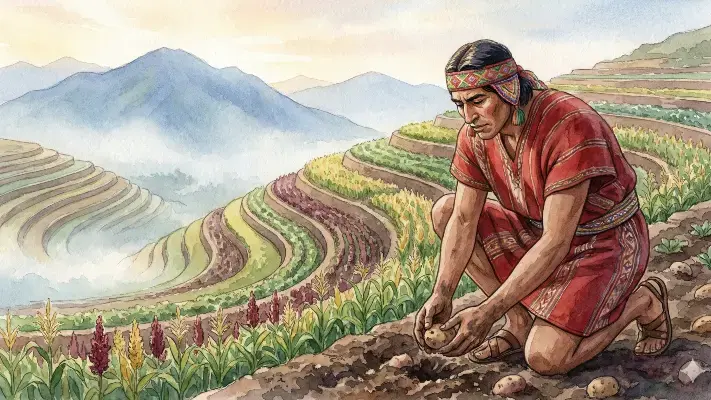
11. Agricultural tools
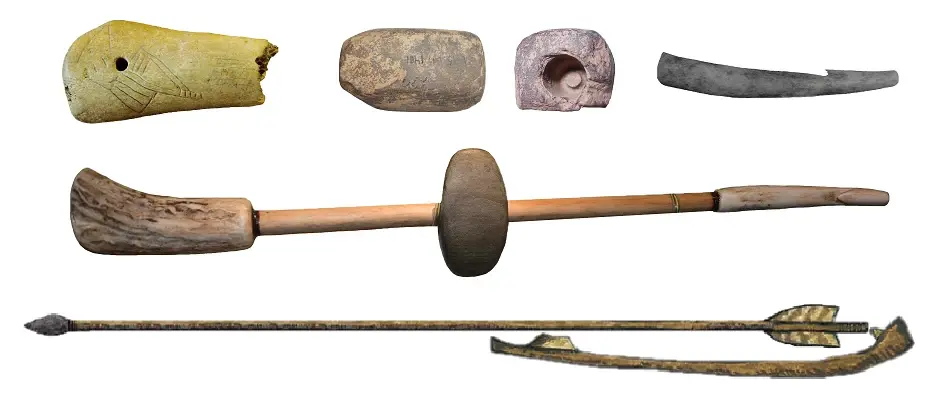
Agriculture supported the entire Inca Empire.
What tools did farmers use?
Andean farmers relied on tools adapted to difficult mountainous terrain. Agricultural technology was essential for cultivating crops across different ecological zones.
What do agricultural artifacts tell us?
They reveal that the power of the empire depended not only on rulers and soldiers, but also on highly organized agricultural communities.
This is one reason everyday objects can be just as historically valuable as spectacular ceremonial pieces.
12. Artifacts connected with Machu Picchu
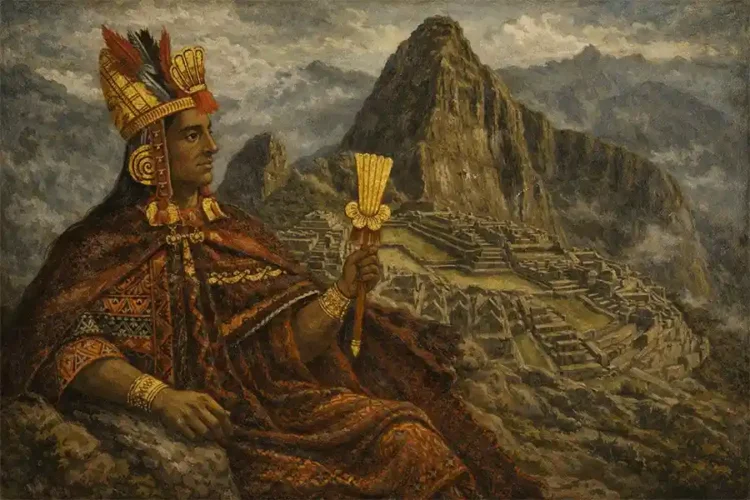
Machu Picchu naturally appears whenever travelers search for famous inca artifacts.
However, it is important not to assume that every famous Inca object was discovered there.
What artifacts have been found at Machu Picchu?
Archaeological investigations at Machu Picchu have documented ceramics, tools, human remains and other forms of material evidence.
Together, these discoveries help researchers understand how people lived and worked at the site.
Are Machu Picchu artifacts still displayed there?
Some archaeological material associated with Machu Picchu can be seen in museums and collections, while the archaeological site itself is primarily experienced through its architecture and landscape.

Which famous Inca artifacts can you see in Peru?
One of the best ways to understand famous inca artifacts is to see them in museums rather than only reading about them.
Museums in Cusco
Cusco is one of the best starting points for anyone interested in Inca history.
Its museums contain archaeological collections that help place objects within their broader cultural and historical context.
Museums in Lima
Lima also has important archaeological museums with collections representing different periods of Peruvian history.
These collections are particularly useful because they show how Inca culture developed within a much older Andean civilization.
Machu Picchu and its archaeological context
Visiting Machu Picchu offers something a museum cannot: the opportunity to understand objects within the landscape where Inca architecture, agriculture and religion were interconnected.
Other archaeological sites in Peru
The Inca Empire extended across a vast territory. Sites in the Sacred Valley and other parts of Peru provide additional perspectives on Inca life.

What can Inca artifacts tell us about the empire?
The real value of famous inca artifacts is not simply their age or appearance.
They provide evidence about how people lived.
Religion and ceremonies
Ceremonial objects reveal the importance of religion, offerings and relationships with the natural world.
Agriculture and food production
Tools and storage vessels demonstrate how communities produced, transported and preserved food across different environments.
Administration and organization
Quipus and standardized objects show how the empire managed resources and connected distant communities.
Social status and power
Fine textiles, precious materials and specialized objects could indicate social position.
Art, identity and symbolism
Patterns, shapes and materials also reveal how the Incas expressed identity and cultural ideas.
Are all “Inca artifacts” actually Inca?
This is one of the most important questions to ask when researching famous inca artifacts.
The Inca Empire existed for a relatively short period compared with the entire history of Andean civilization.
Before the Incas, cultures such as the Moche, Nazca, Wari and Chimú developed sophisticated forms of art, architecture and technology.
Pre-Inca cultures and their influence
The Incas inherited and adapted traditions from communities throughout the Andes.
Some techniques continued across different historical periods, which means that an object may resemble Inca craftsmanship without necessarily being produced during the Inca period.
Inca objects vs. the wider Andean world
Understanding this distinction makes a visit to Peru much more interesting.
Instead of seeing every archaeological object as simply “Inca,” you can begin to recognize the much longer cultural history behind it.
Where can you learn more about Inca artifacts?
If you want to explore these objects beyond photographs and articles, Peru offers several possibilities.
Museums in Lima and Cusco provide archaeological collections, while archaeological sites allow visitors to understand the relationship between objects, architecture and landscape.
A trip through Cusco and the Sacred Valley can therefore add context to the famous inca artifacts you encounter in museums.
Frequently asked questions about famous Inca artifacts
What is the most famous Inca artifact?
There is no single universally recognized answer. Quipus, textiles, ceremonial vessels and objects made from precious metals are among the best-known examples of Inca material culture.
What are the most important Inca artifacts?
The most historically valuable artifacts are those that help researchers understand different aspects of Inca society, including administration, religion, agriculture, craftsmanship and social organization.
Where can you see Inca artifacts in Peru?
Important archaeological collections can be found in museums in cities such as Cusco and Lima, as well as through archaeological sites connected with the Inca period.
What artifacts were found at Machu Picchu?
Archaeological research at Machu Picchu has documented ceramics, tools and other material remains. However, the site is particularly important because its architecture and agricultural terraces remain closely connected to the surrounding landscape.
What materials did the Incas use to make artifacts?
The Incas and other Andean cultures worked with stone, clay, wood, cotton, camelid fibers, gold, silver and other materials.
What do Inca artifacts tell us about their society?
They reveal that the Inca Empire was highly organized and that religion, agriculture, administration, craftsmanship and social hierarchy were deeply interconnected.
Conclusion
The most fascinating famous inca artifacts are not necessarily the largest or most spectacular ones.
A small quipu can reveal an enormous administrative system. A textile can tell us about social status. A ceramic vessel can provide clues about food and ceremonies. An agricultural tool can explain how communities survived in challenging mountain environments.
Together, these objects transform the history of the Inca Empire from something distant into something tangible.
And if you’re planning to visit Peru, seeing these artifacts in museums is only part of the experience. Exploring Cusco, the Sacred Valley and Machu Picchu allows you to understand how these objects belonged to a much larger world—one shaped by mountains, agriculture, religion, engineering and centuries of Andean history.


