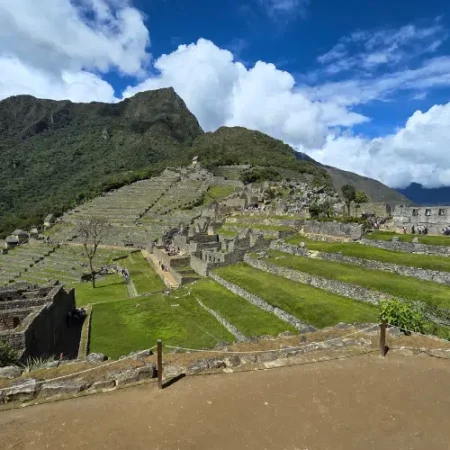
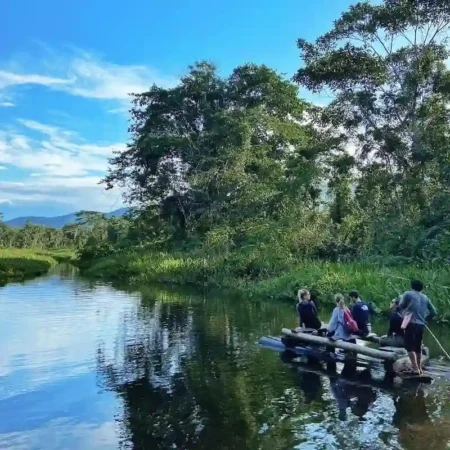
2026 is just around the corner, bringing with it a whole range of new adventures to take part in. And there’s no better place to experience them than in Peru, a country full of diverse activities that invite you to become part of celebrations where you can experience its traditions firsthand; traditions that have been practiced for many years. This is where the carnivals in Peru come in, considered among the most joyful and colorful celebrations in all of Latin America.
You can take part in these festivities between February and March, and the best part is that they are not limited to just one city. They take place across the coast, the jungle, and the highlands of the country, allowing you to discover destinations filled with music, color, and, above all, people who celebrate their cultural expressions with great joy. If you are a traveler looking for unique ways to welcome the year, this is a valuable option that offers an unforgettable experience while also giving you the chance to learn more about some of Peru’s most famous archaeological sites. In this guide, we tell you everything you need to know to take your first step into these celebrations.
You might also be interested in: How to Visit Machu Picchu from Cusco: in 2026 Best Routes, Tours & Tips
What makes carnivals in Peru so unique
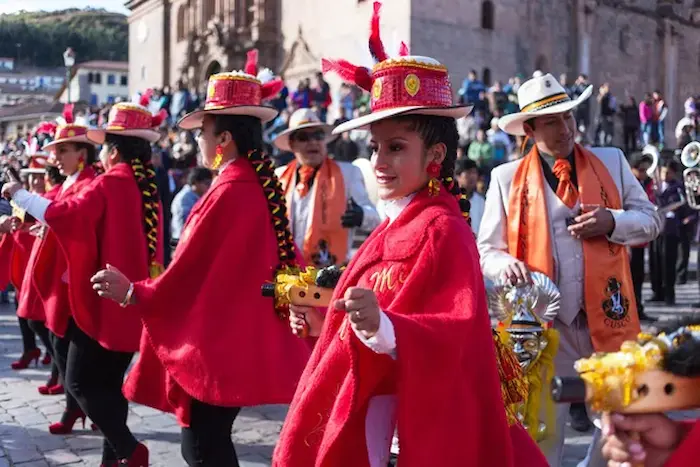
Carnivals in Peru represent a deep connection between history, community, and cultural identity that has been preserved for centuries. These festivities blend ancient Andean traditions with colonial influences, creating celebrations that vary greatly from one region to another. From the highlands to the coast, each town expresses its own worldview through music, dances, rituals, and collective joy, making Peruvian carnivals a truly diverse and meaningful experience for travelers.
At their core, these celebrations reflect the strong relationship between people, nature, and spirituality. Carnival season often coincides with agricultural cycles, symbolizing gratitude for the land, fertility, and abundance. This ancestral meaning is what sets Peruvian carnivals apart from many other festivities around the world.
Cultural roots and Andean traditions
The origins of carnival celebrations are deeply rooted in Andean cosmology. Communities honor Pachamama (Mother Earth) through rituals, offerings, and communal gatherings. Water games, traditional songs, and symbolic acts represent renewal and harmony with nature.
Influence of Spanish and modern festivities
Over time, Spanish colonial customs blended with indigenous practices, shaping the modern form of carnivals in Peru. Elements like masks, costumes, and European-style music were incorporated, while contemporary celebrations now include concerts, parades, and tourism-driven events. Despite these changes, the essence of Peruvian carnivals remains authentic, community-centered, and deeply cultural.
You might also be interested in: What to Pack for a Manu Jungle Tour: Essential Packing List
When and where carnivals in Peru are celebrated
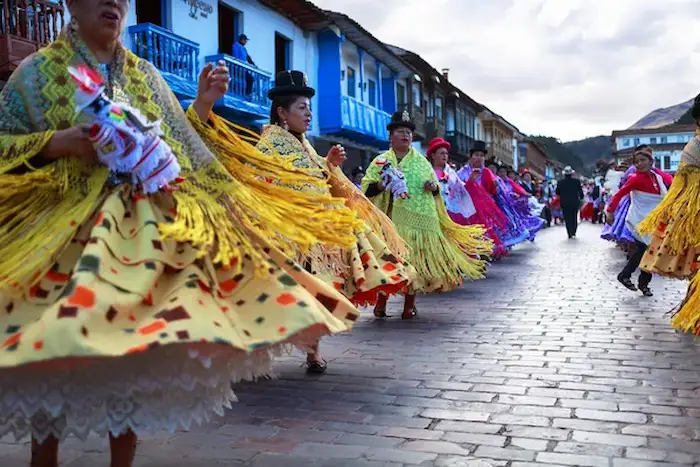
Carnivals in Peru are celebrated mainly in February and early March, just before the beginning of Lent. During this time, cities and towns across the country turn into vibrant stages of music, color, and tradition. While carnival festivities can be found nationwide, some destinations stand out for the scale, history, and cultural depth of their celebrations. Planning your trip around these key locations allows you to experience the diversity that defines Peru carnivals.
Carnival season and key dates
The peak of carnivals in Peru takes place in February, with some events extending into early March depending on the region and local traditions. The most important celebrations usually happen in the days leading up to Ash Wednesday. One of the most renowned events is the Cajamarca Carnival, often referred to as the “Capital of Peruvian Carnival,” where parades, music, and water fights dominate the streets for several days. In southern Peru, Puno’s festivities overlap with the celebration of the Virgin of Candelaria, blending religious devotion with large-scale dance performances. Due to the high demand for this season, it is recommended to book accommodations and transportation well in advance.
Coastal, Andean and Amazonian celebrations
Peru’s carnivals reflect the country’s rich cultural diversity. In Andean regions such as Cusco and Cajamarca, traditional customs like the yunsada, a ritual involving music, dancing, and a decorated tree, are central to the celebrations. These areas emphasize community participation, ancestral rituals, and symbolic connections to nature. In cities like Arequipa, carnivals combine traditional elements with modern parades and concerts. Meanwhile, coastal and Amazonian regions tend to showcase more contemporary celebrations, incorporating local rhythms, costumes, and lively street festivities. This contrast between regions highlights why carnivals in Peru offer such a unique and varied cultural experience for travelers.
The most famous carnivals in Peru you should experience
Carnivals in Peru are celebrated in many regions, but some destinations stand out for their history, scale, and cultural richness. These iconic festivities attract both locals and travelers who want to experience authentic traditions, vibrant parades, and unforgettable moments. Exploring the most famous carnivals in Peru allows you to understand how each region expresses its identity through music, rituals, and collective celebration.
You might also be interested in: Salkantay Trek vs Inca Trail: Which one is the best trek to Machu Picchu?
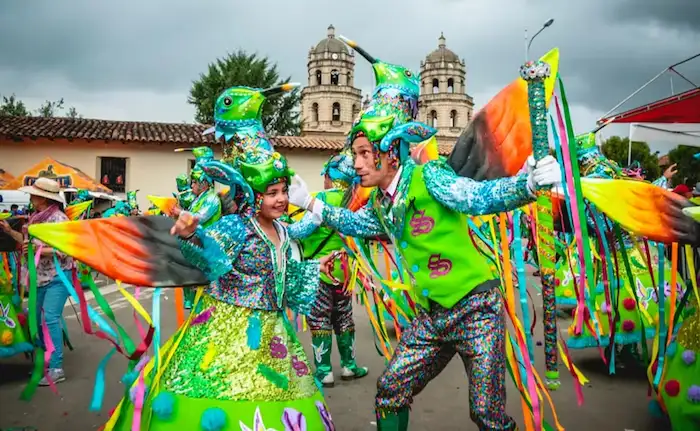
Cajamarca carnival, the capital of Peruvian carnivals
The Cajamarca Carnival is widely recognized as the most important and famous carnival in the country, earning its title as the “Capital of Peruvian Carnival.” Its origins date back to colonial times, blending Spanish customs with strong Andean influences. The celebration features colorful parades, satirical costumes, live music, and massive water and paint battles that take over the city. One of the highlights is the symbolic burial of King Momo, which marks the playful spirit and joyful excess that define carnivals in Peru.
You might also be interested in: Which is the best time to visit Manu National Park (Manu Jungle)?
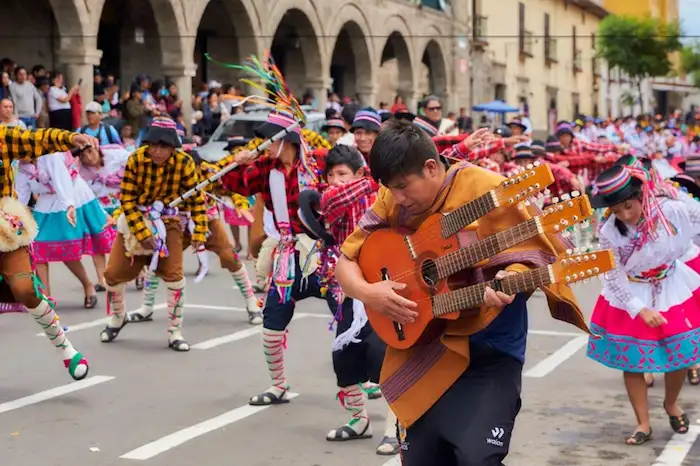
Ayacucho carnival, tradition and color in the Andes
Ayacucho’s carnival is known for its strong sense of tradition and community participation. Unlike larger urban celebrations, this carnival preserves ancestral customs through folk music, traditional dances, and symbolic rituals. Local neighborhoods organize their own festivities, creating an intimate and authentic atmosphere. The Ayacucho Carnival reflects the cultural resilience of the Andes and showcases a more traditional side of carnivals in Peru, deeply rooted in history and collective identity.
You might also be interested in: Inca Trail packing list 2026 | Discover the best complete guide
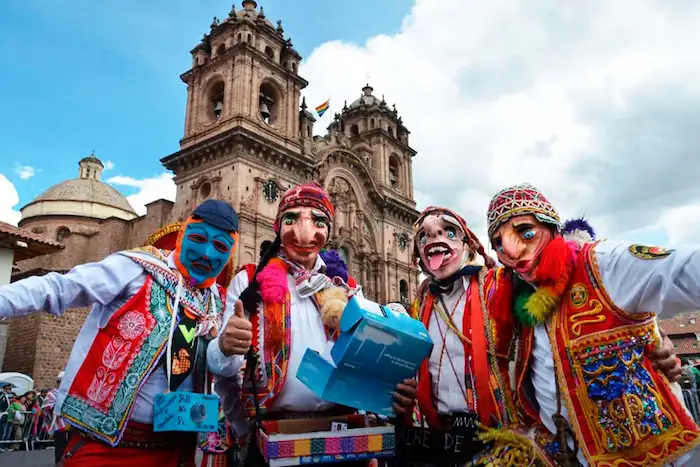
Cusco carnival, Andean rituals and water games
Carnivals in Cusco combine ancient Andean rituals with joyful modern celebrations. Water fights are one of the most characteristic elements, symbolizing purification and renewal. Traditional foods, such as timpu or other regional dishes, are shared among families and visitors. Music, dances, and community gatherings fill the streets, offering travelers a unique opportunity to experience living Andean traditions during carnival season in Peru.
You might also be interested in: How to choose the best trekking boots
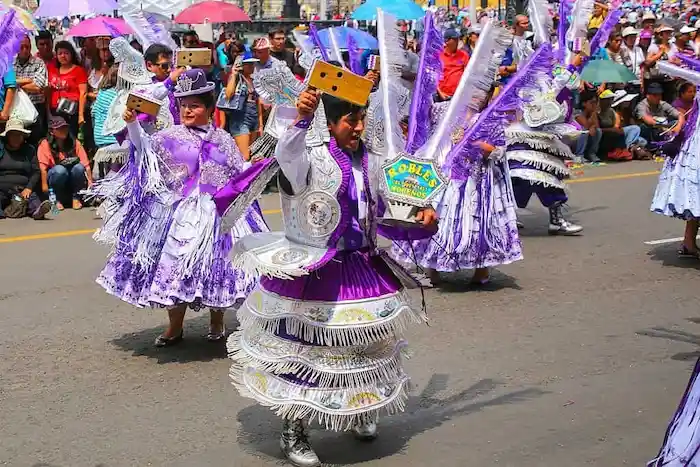
Puno and the highland carnivals
In the highlands, particularly in Puno, carnival celebrations are closely linked to cultural and religious traditions. These festivities often coincide with the celebrations of the Virgin of Candelaria, featuring impressive dance performances and elaborate traditional costumes. The highland carnivals emphasize choreography, music, and symbolism, making them some of the most visually striking carnivals in Peru.
Traditional customs during carnivals in Peru
Carnivals in Peru are characterized by a rich blend of traditions that combine joy, symbolism, and community engagement. These customs have been passed down through generations and vary from region to region, yet they all share a strong sense of celebration and cultural identity. Taking part in these practices allows visitors to experience carnivals in Peru beyond the visual spectacle, connecting with the meaning behind each ritual.
Water fights, paint and playful traditions
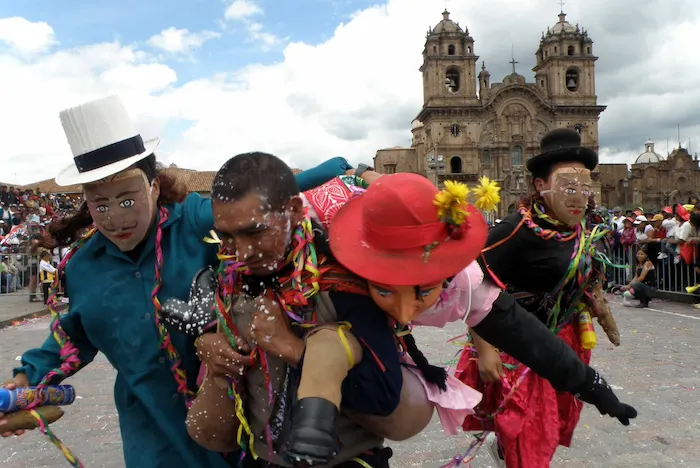
One of the most recognizable customs during carnivals in Peru is the widespread use of water, paint, and colored powders. Streets turn into playful battlegrounds where locals and visitors joyfully splash water on each other, symbolizing purification, renewal, and abundance. While these games are fun and spontaneous, they also reflect the communal spirit that defines carnival season across the country.
Music, dances and colorful costumes
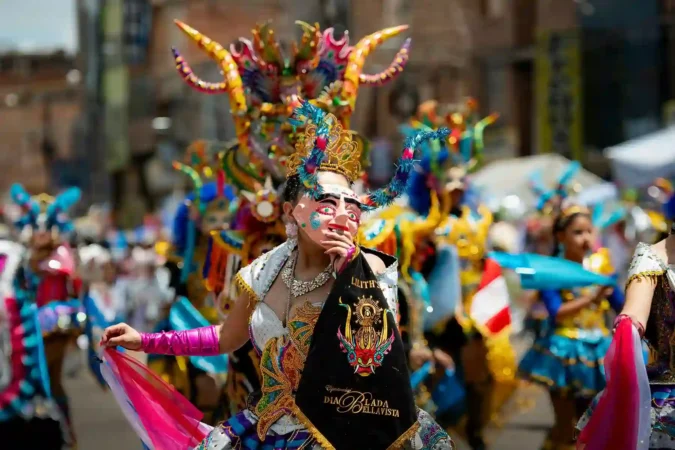
Music and dance are at the heart of carnivals in Peru, turning streets and main squares into lively cultural stages. Each region expresses its identity through distinctive rhythms, movements, and visual elements that have been preserved for generations. These artistic expressions are not just performances, but a way for communities to tell their history and celebrate collective identity.
Some of the most representative elements include:
- Traditional dances, such as huayno in the Andes, are commonly performed during carnival gatherings and reflect themes of love, nature, and daily life.
- Folk music ensembles, featuring instruments like charangos, pan flutes, drums, and guitars that set the rhythm for parades and communal dances.
- Colorful costumes, often handmade, showcase bright fabrics, embroidery, masks, and accessories that represent local myths, agricultural symbols, or historical figures.
- Dance competitions and parades, especially in larger carnivals, are held where groups perform choreographed routines as part of the celebration.
Together, music, dance, and costumes make carnivals in Peru a vibrant and immersive cultural experience, where tradition and creativity come together in every movement and sound.
Typical food and drinks during carnival season
Food plays an essential role during carnival season, serving as a symbol of abundance, hospitality, and community bonding. After hours of dancing and celebrations, sharing traditional dishes becomes an important part of the experience. Each region offers its own flavors, closely linked to local ingredients and customs.
Some typical foods and drinks enjoyed during carnivals in Peru include:
- Puchero or sancochado, a hearty stew prepared with meat, vegetables, and grains, is commonly shared during Andean carnivals.
- Tamales and empanadas, easy-to-share foods that are popular during street celebrations.
- Chicha de jora, a traditional fermented corn drink often associated with ancestral rituals and communal gatherings.
- Local sweets and breads, prepared especially for carnival days and sold in markets and festivals.
These culinary traditions add depth to carnivals in Peru, allowing travelers to connect with local culture through taste, conversation, and shared moments around the table.
You might also be interested in: Quechua language: History, importance and modern use in Peru
Tips for travelers visiting carnivals in Peru
Visiting carnivals in Peru can be an unforgettable experience, especially if you are prepared and know what to expect. These celebrations are joyful, energetic, and deeply rooted in local traditions, so a few practical tips can help you enjoy them comfortably and respectfully. Whether you are traveling independently or with the support of a Peru tour operator, planning ahead will allow you to make the most of carnival season.
What to wear and what to bring
During carnivals in Peru, comfort and practicality are key. Water fights, paint, and long hours of celebration are common, so it’s best to dress accordingly.
Some useful recommendations include:
- Comfortable, casual clothing that you don’t mind getting wet or stained.
- Light layers, especially useful in Andean regions, where temperatures can change throughout the day.
- Comfortable walking shoes suitable for cobblestone streets and long walks.
- Waterproof protection for phones, cameras, and important documents.
- Sunscreen and a hat, particularly in high-altitude destinations.
Safety and cultural respect
While carnivals in Peru are generally safe and welcoming, it’s important to participate responsibly. Respecting local customs ensures a positive experience for both visitors and communities.
Keep the following in mind:
- Avoid throwing water or paint at people who are clearly not participating, such as elderly locals or vendors.
- Keep personal belongings secure in crowded areas.
- Follow local guidance and respect traditional rituals and ceremonies.
- Be mindful of alcohol consumption, especially in public spaces.
Best destinations for first-time visitors
For travelers experiencing carnivals in Peru for the first time, some destinations offer a good balance between cultural authenticity and tourist-friendly infrastructure.
Recommended options include:
- Cajamarca, known for its lively atmosphere and well-organized celebrations.
- Cusco, where Andean traditions blend with accessible tourism services.
- Arequipa offers a mix of cultural events and modern festivities.
These destinations provide an excellent introduction to the diversity and spirit of carnivals in Peru, making them ideal starting points for first-time visitors.
Why carnivals in Peru are an unforgettable cultural experience
Now that you know more about your first adventure in Peru in 2026: The carnivals in Peru, you have probably realized that this is a celebration you should experience at least once in your lifetime. The excitement and vibrant colors found throughout these festivities are truly thrilling and meaningful, as they blend joy with the history each city or community has lived through, making their identity more present than ever.
This can be clearly seen in public life, in the dances, and in the rituals that you may witness, depending on the carnival you visit. Experiencing the carnivals in Peru allows you, as a visitor, to take a step closer to these traditions and enjoy an experience that anyone who loves discovering new cultures dreams of living. Nothing compares to taking part in these celebrations firsthand and being able to tell the story of your own experience.