
Planning a trip to Peru for the first time can feel challenging because the country offers much more than a single destination. Between ancient cities, impressive landscapes, local traditions, and different regions with unique climates, choosing what to include in a short journey requires good organization.
A well-planned Peru Itinerary allows travelers to experience the most representative places without spending most of their vacation moving from one location to another. Ten days is enough time to combine history, nature, gastronomy, and cultural experiences if the route is designed according to travel times and altitude changes.
This Peru Itinerary focuses on a balanced route that includes Lima, Cusco, the Sacred Valley, Machu Picchu, and Lake Titicaca, while leaving enough space to enjoy each destination without rushing. It is designed for first-time visitors who want a complete introduction to the country and a practical travel plan.
Why choose a 10-day Peru Itinerary for your first visit?
A 10-day trip offers the right amount of time to explore Peru’s main attractions while maintaining a comfortable pace. Many travelers make the mistake of adding too many destinations, which results in long transportation hours and less time to appreciate each place.
The ideal Peru Itinerary should consider three important factors: geography, altitude, and travel connections. Lima is located at sea level, while Cusco sits above 3,300 meters (10,800 feet), so including a gradual transition helps visitors adapt better.
For a first visit, the most practical route usually combines:
- Lima as the arrival point and introduction to Peruvian cuisine.
- Cusco and nearby archaeological sites as the cultural center of the journey.
- Machu Picchu as the highlight of the trip.
- Lake Titicaca or another natural destination to experience a different side of Peru.
A carefully organized Peru Itinerary does not mean following a strict schedule every hour. Instead, it creates a structure that helps travelers make the most of their available days while keeping some flexibility.
You might be interested in reading: What Is the Difference Between Hiking and Trekking?
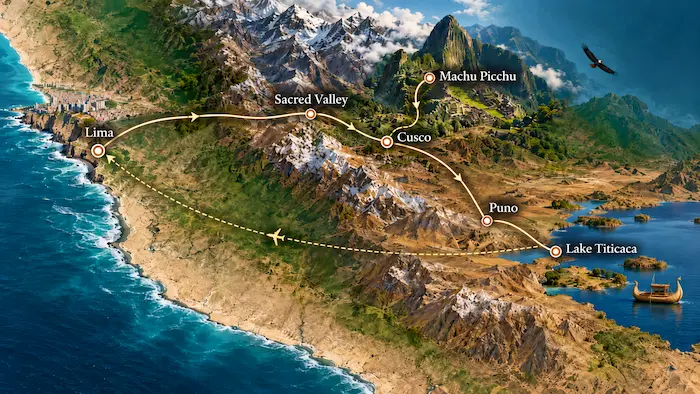
10-day Peru Itinerary overview: cities and experiences
Before planning daily activities, it is useful to understand how the route is distributed. The following table presents a recommended structure with alternatives depending on the type of experience each traveler prefers.
| Days | Main destination | Recommended activities | Alternative option |
|---|---|---|---|
| Day 1 | Lima | Arrival, Miraflores, Barranco, local cuisine | Add a food tour or museum visit |
| Day 2 | Lima | Historic center, museums, coastal viewpoints | Free day for restaurants and shopping |
| Day 3 | Cusco | City tour, San Pedro Market, nearby attractions | Rest day to adapt to altitude |
| Day 4 | Sacred Valley | Pisac, Ollantaytambo, local communities | Maras and Moray visit |
| Day 5 | Machu Picchu area | Train journey and exploration of Machu Picchu | Alternative trekking experience |
| Day 6 | Cusco | Free time, archaeological sites, local experiences | Additional mountain excursion |
| Day 7 | Cusco to Puno | Route of the Sun or scenic transportation | Extra Cusco activities |
| Day 8 | Lake Titicaca | Floating islands and cultural communities | Visit viewpoints around Puno |
| Day 9 | Return to Lima | Flight connection and final activities | Extra night in Cusco |
| Day 10 | Departure | Airport transfer | Additional shopping or gastronomy |
This structure creates a complete Peru Itinerary that combines urban areas, archaeological sites, and natural landscapes. However, travelers with different interests can adjust the route depending on whether they prefer more hiking, history, photography, or relaxation.
Day-by-day Peru Itinerary for first-time visitors
Days 1 and 2: Start your journey in Lima
Lima is often considered only a gateway to other destinations, but spending two days in the capital helps visitors understand Peru’s modern culture and culinary identity. The city combines colonial architecture, coastal landscapes, and some of the country’s most recognized restaurants.
The best areas to explore include Miraflores, Barranco, and the Historic Center. Miraflores offers ocean views and walking areas, while Barranco has a more artistic atmosphere with colorful streets and traditional houses.
During these first days of the Peru Itinerary, travelers can focus on:
- Trying traditional dishes such as ceviche, lomo saltado, and causa.
- Visiting Plaza Mayor and nearby colonial buildings.
- Walking along the Malecón to enjoy views of the Pacific Ocean.
Avoid scheduling too many activities on arrival day, especially after a long international flight. A relaxed beginning makes the rest of the Peru Itinerary more enjoyable.
Days 3 and 4: Cusco and the Sacred Valley experience
Cusco is the historical heart of the journey and usually becomes the most memorable part of any Peru Itinerary. The city combines Inca foundations with Spanish colonial architecture, creating a unique environment where history is present in streets, temples, and local traditions.
Because of the altitude, the first hours in Cusco should be dedicated to adapting. Walking slowly, drinking enough water, and avoiding intense activities immediately after arrival can make the transition easier.
A typical city visit includes places such as:
- Plaza de Armas and the surrounding colonial churches.
- Qorikancha, the former Inca Temple of the Sun.
- Sacsayhuamán and other nearby archaeological sites.
On the fourth day, the route continues toward the Sacred Valley, an area known for agricultural terraces, traditional villages, and impressive landscapes. A Sacred Valley and Machu Picchu tour is commonly included because it connects several important historical locations before reaching Machu Picchu.
What to consider before visiting Cusco and the Sacred Valley
| Aspect | Recommendation |
|---|---|
| Altitude adaptation | Take the first day slowly and avoid excessive physical effort |
| Weather | Bring layers because temperatures can change throughout the day |
| Transportation | Organize transfers in advance, especially during high season |
| Entrance tickets | Reserve popular attractions early when required |
A good Peru Itinerary should not only include places to visit but also consider practical details that affect the experience.
You might be interested in reading: Trekking in The Andes | A complete guide for first-time hikers
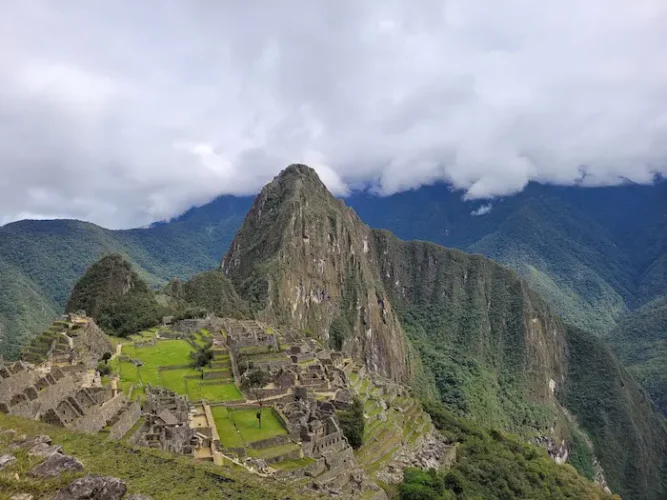
Day 5: Machu Picchu, the highlight of the route
Machu Picchu is usually the main reason many travelers choose Peru as their destination. Reaching this ancient citadel involves planning because transportation options, schedules, and entrance availability can influence the entire trip.
Most visitors travel from Cusco or Ollantaytambo by train to Aguas Calientes, the town located below the archaeological site. From there, buses connect travelers with the entrance area.
When visiting Machu Picchu, it is recommended to:
- Choose the entrance schedule according to your preferred pace.
- Wear comfortable shoes because the site includes uneven paths and stairs.
- Carry only essential items to move easily through the circuits.
The experience of visiting the Sacred Valley before reaching Machu Picchu allows travelers to better understand the relationship between the ancient communities, agricultural systems, and landscapes that surrounded the Inca civilization.
Including this destination in a Peru Itinerary requires organization, but the reward is the opportunity to see one of South America’s most recognized historical landmarks.
Days 6 and 7: Return to Cusco and continue toward Puno
After Machu Picchu, returning to Cusco provides time to enjoy the city at a slower pace. Many travelers use this day to visit places they could not include during their first arrival or simply walk through local neighborhoods.
The next stage of the Peru Itinerary can continue toward Puno, located near Lake Titicaca. The journey itself offers beautiful landscapes, especially when traveling through the southern Andes.
Depending on transportation preferences, travelers can choose between:
| Option | Features |
|---|---|
| Tourist bus | Includes scenic stops and cultural explanations along the route |
| Private transportation | More flexibility with schedules and personalized stops |
| Flight connection | Faster option through Lima, although less scenic |
Continuing the trip to another region allows visitors to see that Peru is not only about archaeological sites. The country’s diversity also includes traditional communities, high-altitude landscapes, and different ways of life.
You might be interested in reading: Sustainable tourism in Peru | What it means and how to travel responsibly
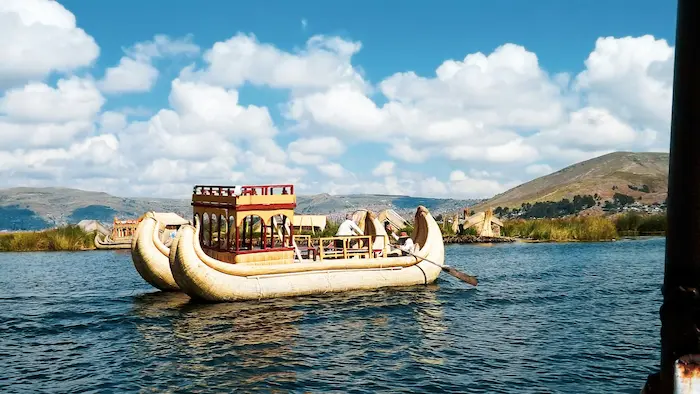
Days 8 and 9: Discover Lake Titicaca and return to Lima
Lake Titicaca represents a different perspective of Peru, combining natural landscapes with centuries-old traditions from communities that continue preserving their cultural identity. Including this destination in a Peru Itinerary allows travelers to experience a quieter environment after the busy activities around Cusco and Machu Picchu.
The most popular activities around the lake include visiting the floating islands of the Uros and learning about local communities in the area. These visits provide a closer look at traditional lifestyles, handmade crafts, and the importance of the lake for the people who live nearby.
For travelers who want a more complete experience, spending a full day around Lake Titicaca is usually enough before returning to Lima.
During this stage of the Peru Itinerary, some recommendations include:
- Carry warm clothing because temperatures can drop, especially in the morning and evening.
- Plan transportation ahead since connections between regions may take several hours.
- Keep some free time to enjoy local markets and traditional food.
After exploring Puno, most travelers return to Lima either by air connection or by combining different transportation options. Since the final day usually involves an international departure, staying near the airport area or in a convenient district can make the end of the trip easier.
Alternative routes for a different Peru Itinerary
Not every traveler has the same interests, so the best route can change depending on priorities. Some visitors prefer spending more time in nature, while others focus on history, hiking, or gastronomy.
The following alternatives can help customize a Peru Itinerary while maintaining a balanced 10-day schedule.
| Travel style | Suggested modification | Ideal for |
|---|---|---|
| Adventure-focused | Replace Lake Titicaca with an additional trekking experience in Cusco | Travelers interested in mountains and outdoor activities |
| Cultural-focused | Add more time in Cusco and nearby archaeological sites | Visitors interested in history and traditions |
| Nature-focused | Include the Amazon region instead of Puno | Travelers looking for biodiversity and wildlife |
| Relaxed pace | Reduce destinations and spend more nights in fewer places | Visitors who prefer comfort and slower travel |
Choosing fewer destinations does not mean missing important experiences. A well-designed Peru Itinerary should match the traveler’s expectations rather than trying to include every possible attraction.
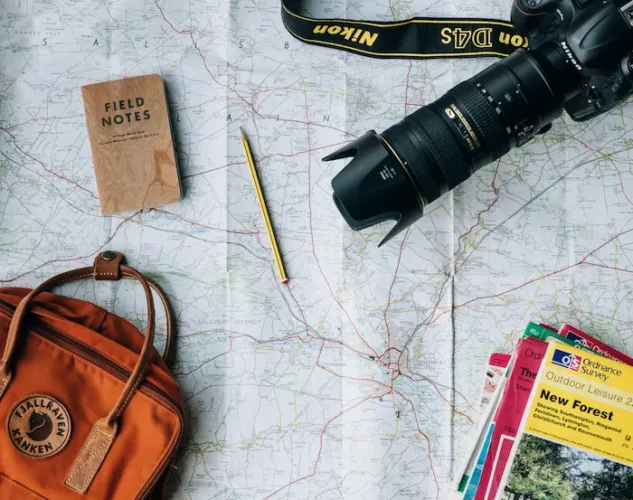
How to prepare for a 10-day trip to Peru
Preparation plays an important role in making the journey comfortable. Peru has different climates depending on the region, so packing only according to one destination can create unnecessary difficulties.
A practical packing list for this Peru Itinerary includes:
- Comfortable walking shoes suitable for city streets and archaeological sites.
- Light layers for changing temperatures between morning and afternoon.
- Sunscreen, sunglasses, and a reusable water bottle, especially for high-altitude destinations.
Travelers should also consider the season of their visit. The dry season, generally from May to October, is popular because of clearer skies in the Andes, while the rainy season can offer fewer crowds and greener landscapes.
Another important point is booking major attractions in advance. Machu Picchu tickets, train schedules, and some guided experiences have limited availability during busy months.
Common mistakes to avoid when planning a Peru Itinerary
A good plan is not only about deciding where to go but also avoiding choices that can affect the experience. First-time visitors often underestimate travel distances or create schedules that are too demanding.
Some frequent mistakes include:
- Adding too many destinations without considering transportation time.
- Ignoring altitude adaptation before demanding activities.
- Packing only for one type of weather.
A realistic Peru Itinerary leaves enough space between major activities. This allows travelers to appreciate each destination instead of feeling like they are only moving from one attraction to another.
It is also useful to remember that local experiences often happen outside the main attractions. Trying regional food, visiting markets, or talking with local guides can add meaningful moments to the journey.
Frequently asked questions about a 10-day Peru trip
Is 10 days enough to visit Peru for the first time?
Yes, ten days can be enough to experience the country’s most important destinations if the route is organized correctly. A balanced Peru Itinerary usually combines Lima, Cusco, Machu Picchu, and one additional region without creating an exhausting schedule.
What is the best month for a Peru Itinerary?
The best time depends on personal preferences. Many travelers choose the dry season because of better weather conditions in the Andes, but each season offers different advantages. Checking regional weather conditions before traveling is recommended because Peru has several geographical areas.
Should I spend more time in Cusco or Lima?
For first-time visitors, Cusco usually requires more days because of the number of historical attractions and nearby destinations. However, Lima is worth including because it introduces travelers to Peru’s gastronomy and contemporary culture.
Can I visit Machu Picchu without a tour?
Yes, independent travel is possible, although many visitors choose guided services because they simplify transportation, schedules, and historical explanations. The best option depends on each traveler’s preferred level of organization.
Final thoughts to design your perfect Peru journey
Creating the right Peru Itinerary is about finding a balance between famous landmarks and meaningful moments along the way. Ten days provide enough time to experience the country’s contrasts, from the Pacific coast in Lima to the Andes landscapes around Cusco and the traditional communities near Lake Titicaca.
For first-time visitors, the key is not trying to see everything, but choosing destinations that represent the different sides of Peru. A thoughtful Peru Itinerary makes transportation easier, reduces unnecessary stress, and allows more time to appreciate the history, food, and culture behind each place.
Whether the priority is ancient civilizations, nature, adventure, or local traditions, Peru offers different ways to create a memorable journey. Planning ahead will help travelers enjoy each day and return home with a deeper understanding of one of South America’s most diverse destinations.


