
Planning a mountain adventure requires more than choosing a destination and packing a backpack. Understanding the terrain, weather conditions, physical demands and local recommendations can make a significant difference, especially for those visiting high-altitude areas for the first time. Trekking in the Andes offers the opportunity to explore landscapes shaped by ancient cultures, impressive valleys and some of the most diverse environments in South America.
For first-time hikers, Trekking in the Andes should be approached with proper preparation and realistic expectations. The Andes are not a single type of landscape; they include different elevations, climates and trails that vary in difficulty. Knowing how to prepare before the journey helps travelers enjoy the experience while reducing common challenges related to altitude, fatigue and changing weather.
This guide explains the essential aspects of Trekking in the Andes, from preparation and recommended routes to equipment and practical advice for a safer mountain experience.
You might be interested in reading: Sustainable tourism in Peru

What makes Trekking in the Andes a unique experience?
Trekking in the Andes combines natural scenery, cultural heritage and varied terrain in a way few mountain regions can offer. The trails pass through areas where communities maintain traditional lifestyles, while the surroundings change from high plains and rocky paths to green valleys and snow-covered peaks.
One of the main characteristics of Trekking in the Andes is altitude. Many routes take place above 3,000 meters, meaning hikers need time to adapt and understand how their bodies respond. Unlike regular hiking, mountain routes require more attention to hydration, rest and pacing.
Another important factor is the diversity of trails available. Some routes are suitable for beginners, while others require previous experience, better physical condition and longer preparation periods.
Benefits of choosing hiking in andes routes
The mountains offer different advantages for travelers looking for an active experience:
- Connection with natural landscapes away from crowded areas.
- Opportunities to discover local traditions and historical sites.
- Physical activity combined with cultural exploration.
Trekking in the Andes is also attractive because it allows travelers to select an itinerary according to their available time and fitness level. A short route can provide an introduction to mountain environments, while longer expeditions offer deeper exploration.
How to prepare before your first mountain adventure
A successful Trekking in the Andes experience starts weeks before reaching the trail. Preparation does not mean intense training only; it also involves learning about the route, organizing equipment and understanding altitude conditions.
Physical preparation should focus on improving endurance rather than only strength. Walking regularly, climbing stairs, practicing cardiovascular exercises and carrying a backpack with some weight can help the body adjust to long hiking days.
Before selecting a route, consider:
- The total walking distance and number of days.
- The maximum altitude reached during the journey.
- The availability of accommodation, food and support services.
Weather is another essential aspect. Mountain conditions can change quickly, especially in high areas. Checking seasonal recommendations and packing appropriate clothing can prevent discomfort during the trek.
You might be interested in reading: 15 drinks from Peru you should try on your next trip

Planning your first days in the mountains
The first days are important because they allow the body to adjust gradually. A common mistake among beginners is starting intense activities immediately after arriving at a high-altitude destination. A better approach is to organize a gradual schedule.
| Step | Recommendation | Purpose |
|---|---|---|
| 1. Arrival day | Rest, drink enough water and avoid intense activities | Help the body begin altitude adaptation |
| 2. First exploration | Choose short walks around the area | Understand how your body responds |
| 3. Preparation day | Review equipment and route details | Avoid problems before starting the trek |
| 4. First hiking day | Maintain a slow rhythm with regular breaks | Conserve energy and prevent exhaustion |
During the first hiking days, listening to your body is essential. Headaches, unusual fatigue or difficulty breathing can indicate that more rest is needed before continuing.
You might be interested in reading: 12 Peru traditional desserts you should try in Peru

Recommended Trekking in the Andes routes by difficulty level
The Andes have routes for different types of travelers. Beginners should usually start with shorter and less demanding trails before attempting longer expeditions. The following options are organized from easier to more challenging.
| Difficulty | Route example | Main characteristics |
|---|---|---|
| Beginner | Short mountain day hikes | Ideal for first contact with altitude and local landscapes |
| Moderate | Rainbow Mountain Tour | A popular option with altitude challenges but manageable duration |
| Moderate to advanced | Lares Trek | Combines mountain scenery with cultural communities and longer walking days |
| Advanced | Salkantay Trek | Requires good endurance due to elevation changes and extended distances |
| Challenging | Ausangate Trek | A demanding route with high altitude and remote landscapes |
The following Trekking in the Andes options show that there is no single way to experience the mountains. Each route has different requirements, so choosing according to personal preparation is more important than selecting the most famous trail.
For travelers beginning their mountain journey, shorter routes can help build confidence. More experienced hikers can consider longer expeditions that include higher passes and several days of continuous walking.
You might be interested in reading: What were the 12 famous inca artifacts of the Inca Empire?

Essential equipment for Trekking in the Andes
Having the right equipment improves comfort and safety. The goal is not carrying unnecessary weight but choosing practical items that respond to mountain conditions.
Basic equipment includes:
- Layered clothing to adapt to temperature changes.
- Comfortable hiking shoes with good grip.
- Water protection for rain and unexpected weather.
- A backpack suitable for the length of the route.
A good clothing system usually includes a base layer, an insulating layer and an external layer that protects against wind or rain. Temperatures can vary significantly between sunny afternoons and cold mornings.
Trekking in the Andes also requires attention to sun protection. At high elevations, solar radiation is stronger, so sunglasses, sunscreen and a hat are useful throughout the journey.
Understanding the challenges of mountain hiking
The Andes can be demanding even for travelers with good physical condition. The main difficulty is not always the distance but the combination of altitude, terrain and climate.
Altitude adaptation is one of the most discussed topics among first-time hikers. The body needs time to adjust to lower oxygen levels, and every person reacts differently. Maintaining a slow pace, resting properly and staying hydrated are simple but effective measures.
Other challenges include:
- Uneven terrain with rocks, slopes and narrow paths.
- Temperature changes throughout the day.
- Limited services in remote areas.
Good planning reduces these difficulties. Choosing a route that matches personal experience is a better decision than selecting an itinerary only because it is popular.
You might be interested in reading: What is the Lord of Miracles? Meaning of the purple tradition
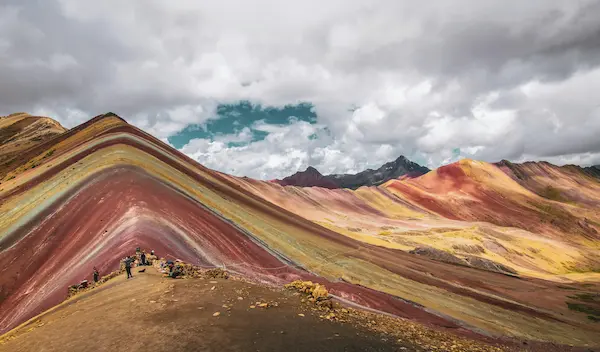
Andes treks for different types of travelers
Not every traveler searches for the same type of adventure. Some prefer cultural routes with local interaction, while others look for isolated landscapes and demanding climbs.
Beginners often benefit from shorter itineraries where they can learn how mountain conditions feel without excessive physical demand. Intermediate hikers can choose multi-day routes that combine nature and cultural elements. Experienced hikers usually look for higher elevations and more remote environments.
The variety of andes treks allows each person to find an option according to their goals, available time and physical preparation. Researching the route beforehand is one of the most important steps before making a decision.
Practical tips for a safer mountain experience
Small decisions can improve the entire journey. A comfortable pace, proper hydration and realistic planning usually have a greater impact than having expensive equipment.
Some useful recommendations include:
- Start walking early to avoid difficult weather conditions later in the day.
- Carry only essential items to reduce unnecessary weight.
- Respect local communities, wildlife and natural areas.
It is also important to follow established trails. Mountain environments can be fragile, and staying on marked paths helps preserve the landscape while reducing safety risks.
Final considerations before starting your journey
Trekking in the Andes is an experience that requires preparation, patience and respect for the mountain environment. The best route is not necessarily the longest or most famous, but the one that fits the traveler’s abilities and expectations.
For first-time hikers, understanding altitude, choosing appropriate equipment and organizing the first days correctly can transform a challenging trip into a rewarding experience. With proper planning, Trekking in the Andes becomes an accessible activity that connects travelers with nature, history and unique landscapes.
Whether the goal is a short walk or a demanding expedition, the Andes offer different possibilities for discovering mountain trails at a personal pace. Preparation is the foundation that allows every hiker to enjoy the journey with greater confidence.


