
Peruvian cuisine is famous around the world for dishes such as ceviche, lomo saltado and ají de gallina. But there is another side of the country’s gastronomy that deserves just as much attention: its desserts.
The Peru traditional desserts scene reflects the country’s incredible cultural and geographic diversity. Ingredients such as purple corn, lúcuma, sweet potato, squash, chancaca and manjar blanco appear in recipes that have been passed down through generations.
For travelers, trying these sweets is more than simply finding something delicious after a meal. Each dessert can tell you something about a particular region, ingredient or cultural tradition.
From the famous Suspiro a la Limeña in Lima to Queso Helado in Arequipa and King Kong in northern Peru, there are plenty of options to discover.
If you are planning a trip and wondering which Peruvian desserts you should try, this guide introduces 12 traditional sweets and explains what they taste like, where they come from and what makes each one worth trying.
You might be interested in: What were the 12 famous inca artifacts of the Inca Empire?

What makes Peru traditional desserts so unique?
The variety of Peru traditional desserts comes largely from the country’s multicultural history.
Peruvian desserts developed through the interaction of Indigenous ingredients with culinary traditions introduced during the colonial period. Over time, these influences were adapted to local products and regional customs, creating sweets that are now closely associated with different parts of Peru.
This is why you can find desserts based on ingredients that may be unfamiliar to international visitors.
Indigenous ingredients with distinctive flavors
One of the best examples is lúcuma, a fruit with a naturally sweet, slightly nutty flavor that is widely used in ice cream, cakes, mousses and other sweets.
Another important ingredient is purple corn, which is used to prepare mazamorra morada. Sweet potato and squash are also essential ingredients in some traditional recipes, particularly picarones.
Then there is chancaca, an unrefined sugar product that gives several Peruvian sweets their characteristic dark, caramel-like sweetness.
Desserts vary from region to region
Peru’s geography also influences its desserts.
Lima has its own historic sweets, while Arequipa, Ica and the northern coast have developed their own specialties.
That means there is no single list that represents every dessert found in Peru. The best way to understand Peruvian sweets is to look at them as part of a larger culinary tradition.
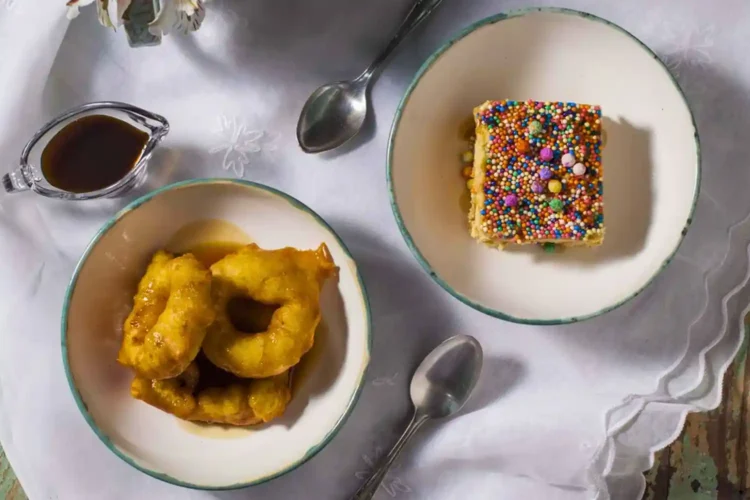
The 12 peru traditional desserts you should try
If you want to explore Peru traditional desserts during your trip, the following options are a good place to start.
They are not presented as an absolute ranking of quality. Instead, the list combines some of the country’s most recognizable sweets with regional specialties that visitors may otherwise overlook.
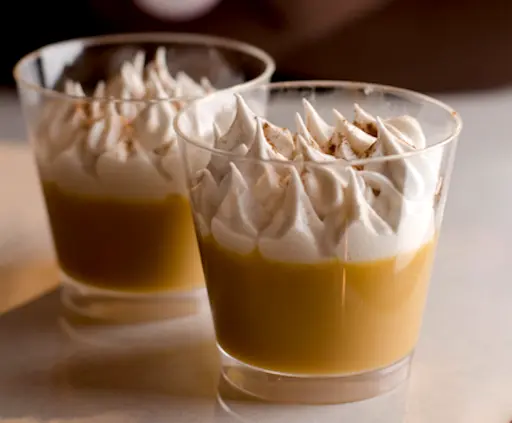
1. Suspiro a la Limeña
If you only have time to try one of the most iconic Peru traditional desserts, Suspiro a la Limeña is an excellent choice.
This dessert is strongly associated with Lima and consists of a creamy base similar to manjar blanco, traditionally made with milk, sugar and egg yolks, topped with a soft meringue flavored with port wine or another sweet wine.
The result is rich, creamy and very sweet.
The name itself means approximately “Lima-style sigh,” and the dessert has become one of the best-known representatives of the city’s culinary heritage.
For visitors staying in Lima, trying Suspiro a la Limeña is one of the easiest ways to begin exploring the country’s traditional sweets.
2. Picarones
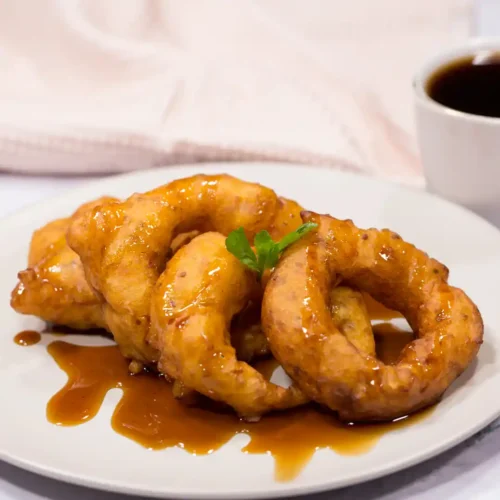
Picarones are one of the most recognizable street desserts in Peru.
At first glance, they may remind you of doughnuts because they are fried and usually served in ring shapes. However, the ingredients and texture are quite different.
Traditional picarones are made with a mixture that includes squash and sweet potato. They are fried until golden and served with chancaca syrup, creating a combination of crispy edges, soft centers and deep caramel-like sweetness.
You can often find them at traditional food stalls, markets and restaurants.
For travelers who enjoy fried desserts, picarones are definitely worth trying.
3. Mazamorra morada
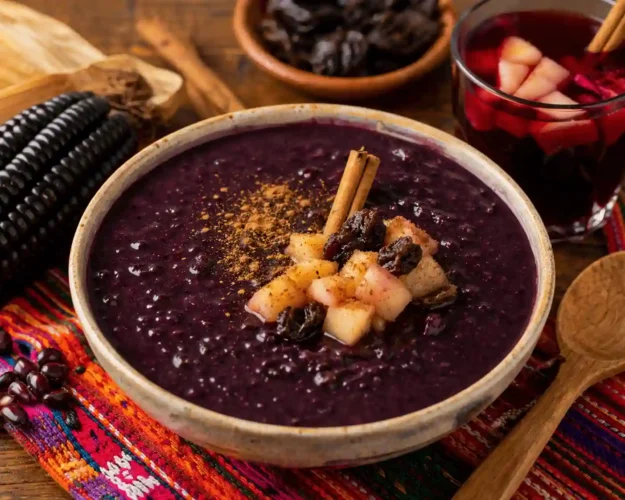
Mazamorra morada is one of the most distinctive Peru traditional desserts because of its deep purple color.
It is prepared using purple corn, a particularly important ingredient in Peruvian cuisine. The mixture is usually combined with fruits and spices such as cinnamon and cloves, resulting in a thick, fragrant dessert.
Its flavor is fruity, sweet and aromatic rather than overwhelmingly creamy.
Mazamorra morada is particularly interesting for international visitors because purple corn is not an ingredient commonly encountered in many other cuisines.
It is also often served alongside arroz con leche, creating a classic Peruvian combination.
4. Arroz con leche
Arroz con leche is familiar to people in many Latin American countries, but the Peruvian version is an important part of the country’s dessert tradition.
The recipe combines rice, milk, sugar and aromatic spices, particularly cinnamon.
Its creamy texture and familiar ingredients make it one of the easiest Peru traditional desserts for a first-time visitor to enjoy.
If you find mazamorra morada and arroz con leche served together, consider trying both. Their contrasting colors, flavors and textures make them a classic pairing.

5. Alfajores
Alfajores are popular throughout Latin America, but Peru has its own versions.
They generally consist of two soft cookies joined together with a sweet filling, often manjar blanco, and may be finished with powdered sugar or other toppings.
Their small size makes them particularly convenient for travelers looking for something sweet with coffee or tea.
Because alfajores exist in several countries, it is also interesting to compare a Peruvian version with those you may have encountered elsewhere in South America.

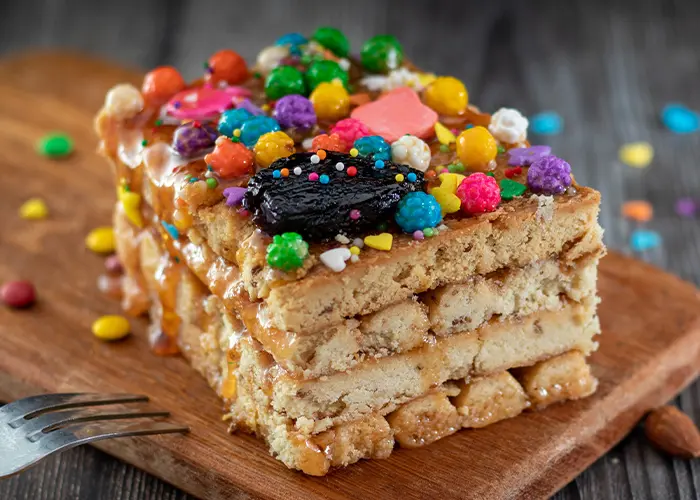
6. Turrón de Doña Pepa
Turrón de Doña Pepa is one of the Peru traditional desserts most closely associated with October in Lima.
It consists of layers of a soft, crumbly dough covered with a sweet syrup and decorated with colorful sprinkles.
Its connection with the Lord of Miracles celebrations makes it more than just a dessert. It has become part of the cultural atmosphere surrounding one of Peru’s most important religious traditions.
If you visit Lima during October, look for it in bakeries, markets and traditional food shops.
7. Queso helado
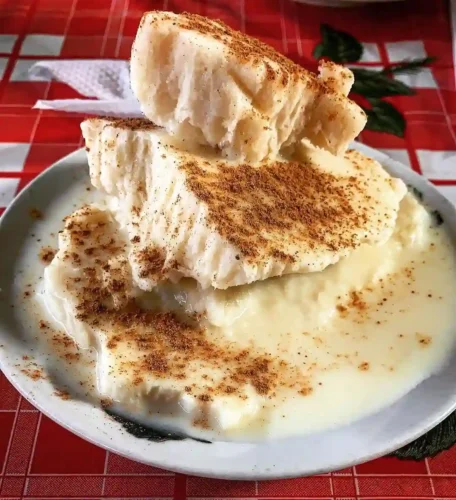
Despite its name, Queso Helado is not simply ice cream made from cheese.
This traditional dessert is strongly associated with Arequipa and has a creamy, cold texture. Its preparation and name are part of the regional culinary tradition.
It is usually flavored with ingredients such as cinnamon and coconut, giving it a distinctive profile.
For travelers visiting Arequipa, Queso Helado is one of the regional Peru traditional desserts worth seeking out rather than simply sticking to sweets that are available throughout the country.
8. King Kong
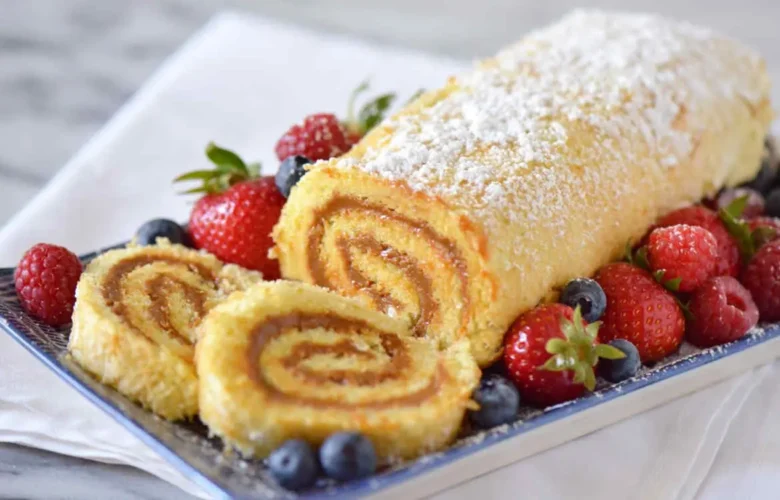
King Kong is a particularly interesting dessert from northern Peru, especially associated with Lambayeque.
It is a large layered sweet made with a type of soft pastry or dough and fillings such as manjar blanco, fruit preserves or other sweet combinations.
Its size and layered appearance make it quite different from many of the smaller Peruvian sweets found in Lima.
If you are traveling through northern Peru, trying King Kong can give you a better understanding of how regional dessert traditions differ across the country.

9. Crema volteada
Crema volteada is a caramel custard dessert with a smooth texture.
It may look familiar to visitors because it resembles flan, but it has its own place within Peruvian cuisine.
The combination of creamy custard and caramel makes it a relatively accessible option for travelers who prefer desserts with mild flavors rather than ingredients they have never tried before.
It is commonly served in restaurants and homes, making it one of the more accessible Peru traditional desserts to find.

10. Arroz zambito
Arroz zambito is another traditional rice-based dessert, but its flavor differs considerably from standard arroz con leche.
A key ingredient is chancaca, which gives the dessert a darker color and a deeper caramel-like flavor.
Cinnamon, cloves and other ingredients may also be used to add fragrance.
For travelers interested in discovering how a familiar ingredient can be transformed into different desserts, arroz zambito is a particularly good example.

11. Tejas
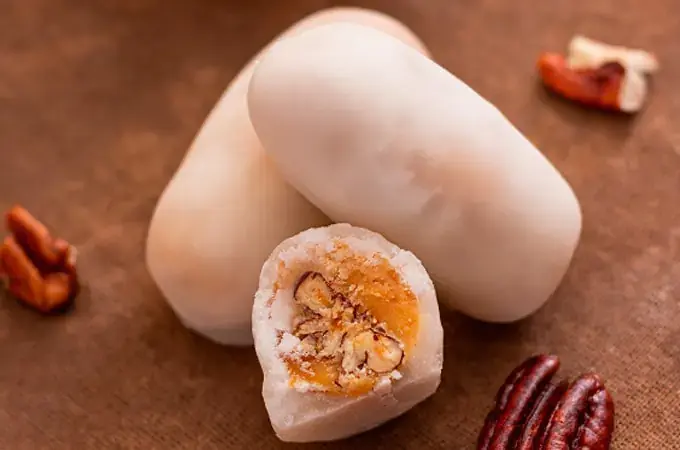
Tejas are strongly associated with Ica and are an excellent example of regional Peruvian confectionery.
These sweets traditionally contain fillings such as manjar blanco and fruits or nuts and are covered with a sweet coating.
Their connection with Ica makes them particularly interesting if your itinerary includes Peru’s southern coast.
Trying regional sweets like tejas is one way to move beyond the most internationally famous Peru traditional desserts and discover local specialties.
12. Lúcuma ice cream
Lúcuma ice cream deserves a place on this list because it introduces visitors to one of Peru’s most characteristic fruits.
Lúcuma has a naturally sweet flavor that is sometimes described as nutty, creamy or reminiscent of caramel.
It is widely used in Peruvian desserts and is especially popular in ice cream.
For someone trying Peru traditional desserts for the first time, lúcuma ice cream can be an excellent introduction because the texture is familiar while the flavor is distinctly Peruvian.

What is the famous dessert in Peru?
One of the most famous desserts in Peru is Suspiro a la Limeña, a traditional sweet associated with Lima.
It is particularly well known because of its creamy manjar blanco-style base, soft meringue topping and strong connection with Lima’s culinary heritage.
However, there is no single official dessert that everyone would necessarily identify as “the” national dessert.
Other Peru traditional desserts such as picarones and mazamorra morada are also extremely recognizable and culturally important.
The best choice depends partly on what you mean by “famous.” If you are looking for a dessert strongly associated with Lima, Suspiro a la Limeña is an obvious option. If you want something connected with street food, picarones are a great choice. And if you want to experience a dessert based on a uniquely Peruvian ingredient, mazamorra morada or lúcuma-based sweets may be more interesting.
For a first visit, trying several is much more rewarding than choosing only one.
Best traditional desserts to try depending on where you travel in Peru
The great thing about Peru traditional desserts is that you can discover different specialties as you move through the country.
Desserts to try in Lima
Lima is the best place to begin exploring traditional sweets.
Look for:
- Suspiro a la Limeña
- Picarones
- Mazamorra morada
- Arroz con leche
- Turrón de Doña Pepa, especially in October
Because Lima is Peru’s largest city, visitors have access to traditional markets, bakeries, restaurants and food fairs where different sweets can be found.
Desserts to try in Cusco
Cusco offers a mixture of traditional Andean ingredients and desserts influenced by broader Peruvian cuisine.
You may encounter:
- Alfajores
- Picarones
- Lúcuma-based desserts
- Mazamorra morada
- Regional sweets in markets and bakeries
If you are visiting Cusco before or after exploring the surrounding archaeological sites, trying local food can add another dimension to the experience.
Desserts to try in Arequipa
If your itinerary includes Arequipa, look specifically for Queso Helado.
It is one of the clearest examples of why Peru traditional desserts cannot be understood only through the sweets associated with Lima.
Desserts to try in northern Peru
Travelers heading north should look for King Kong, particularly in the Lambayeque area.
This regional specialty is very different from the desserts most international visitors associate with Peru.
Desserts to look for in Ica
Ica is particularly associated with tejas, making them a good regional sweet to try while exploring the southern coast.
How to choose the best Peruvian dessert for your taste?
Not sure which dessert to order first? Your preferences can make the decision easier.
If you like creamy desserts
Try:
- Suspiro a la Limeña
- Arroz con leche
- Crema volteada
- Queso Helado
These are good options if you enjoy soft, creamy textures.
If you prefer fruity and aromatic flavors
Consider:
- Mazamorra morada
- Lúcuma ice cream
- Tejas with fruit fillings
These options allow you to experience ingredients that are particularly associated with Peru.
If you like fried and crispy sweets
Start with:
- Picarones
- Turrón de Doña Pepa
Picarones are particularly good if you want to experience a traditional street-food dessert.
If you want something unusual
Choose:
- King Kong
- Queso Helado
- Arroz zambito
- Lúcuma-based desserts
These are excellent choices when your goal is not simply to eat something sweet but to try something you are unlikely to find in the same form elsewhere.
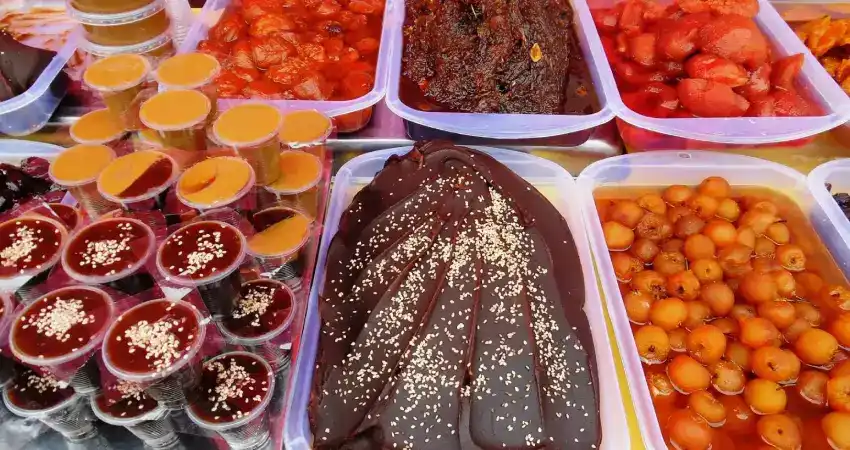
How to experience Peru through its traditional desserts?
Trying Peru traditional desserts does not necessarily mean visiting an expensive restaurant.
Some of the best experiences can happen in traditional markets, bakeries, local restaurants, food fairs and small shops.
When traveling, ask local residents what dessert they recommend in the city you are visiting. A recommendation from someone who lives there can sometimes lead you to a regional specialty that does not appear in every tourist guide.
It is also worth paying attention to seasonal desserts.
Some sweets become particularly visible during religious celebrations or local festivities. Turrón de Doña Pepa in October is a good example.
This is one of the reasons food can be such an interesting part of travel: you are not simply tasting a recipe. You are experiencing when, where and why people traditionally eat it.

FAQs about Peru traditional desserts
What is the famous dessert in Peru?
Suspiro a la Limeña is one of the most famous Peru traditional desserts and is strongly associated with Lima. Picarones and mazamorra morada are also among the country’s best-known sweets.
What are traditional desserts in Peru?
Some of the best-known options include Suspiro a la Limeña, picarones, mazamorra morada, arroz con leche, turrón de Doña Pepa, alfajores, Queso Helado, King Kong, tejas and lúcuma-based desserts.
What is the purple dessert in Peru?
Mazamorra morada is the famous purple dessert from Peru. Its characteristic color comes from purple corn, an ingredient deeply connected with Peruvian cuisine.
What are Peruvian doughnuts called?
Peruvian fried rings are called picarones. Unlike conventional doughnuts, they are traditionally made with ingredients such as sweet potato and squash and are served with chancaca syrup.
What dessert should I try first in Peru?
If it is your first time trying Peru traditional desserts, Suspiro a la Limeña is a good starting point because of its connection with Lima and its importance in Peruvian culinary culture. However, trying picarones or mazamorra morada will give you a very different experience.
Conclusion
The world of Peru traditional desserts is much more diverse than a simple list of sweets.
From the creamy Suspiro a la Limeña to the purple mazamorra morada, crispy picarones, regional King Kong and distinctive lúcuma desserts, each preparation offers a different way to discover Peru.
The best approach for travelers is not to search for just one “best” dessert. Instead, try different sweets in different cities and pay attention to the ingredients, traditions and celebrations connected to them.
After all, experiencing Peru is not only about visiting archaeological sites and spectacular landscapes. Food is also part of the journey, and traditional desserts can offer a surprisingly delicious way to understand the country’s culture.


