
Hiking and trekking are outdoor activities that allow people to explore mountains, forests, valleys, rural areas, and other natural environments on foot. Although both involve walking through nature, they can represent very different experiences depending on the distance, duration, terrain, elevation gain, and level of preparation required. Understanding these differences is important when choosing a route, especially for people who are beginning to participate in outdoor activities or planning a longer journey.
The terms hiking and trekking are often used interchangeably, but they are not always referring to the same type of route. Hiking is generally associated with walks along established trails that can often be completed within a few hours or a single day, while trekking can involve longer, more varied, or extended journeys that require additional planning. Knowing what is done during each activity, what equipment is needed, and how the routes differ makes it easier to choose an experience that matches your time, physical condition, and level of preparation.
You might be interested in reading: Sustainable tourism in Peru
What Is Hiking?
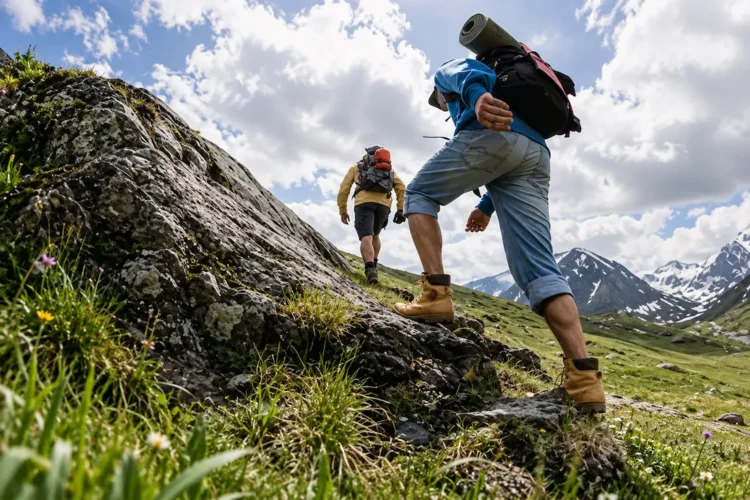
Hiking is the activity of walking through natural environments along established paths, trails, or routes. It can take place in mountains, forests, valleys, parks, and rural areas, with options ranging from relatively easy walks to more demanding routes. The difficulty of a hike is influenced by several factors, including the total distance, elevation gain, terrain, weather conditions, and physical effort required to complete the route. This makes hiking a flexible activity that can be adapted to different experience levels and types of outdoor environments.
One of the main characteristics of hiking is the variety of routes available without necessarily requiring specialized preparation. A short trail with moderate elevation may be suitable for someone with little experience, while a longer route with steep sections can require considerably more endurance and preparation. Before setting out, it is important to understand the characteristics of the trail, check the expected weather, and bring equipment that matches the conditions and duration of the hike. These basic considerations can make the experience more comfortable and help hikers choose routes that fit their abilities.
What Do You Do When Hiking?
During a hike, the main activity is walking along a natural route while adapting your pace to the terrain and the conditions of the trail. The route may include slopes, uneven surfaces, forest paths, mountain trails, or rural roads, depending on the location and type of landscape. Along the way, hikers may stop to rest, take photographs, observe the scenery, or simply spend time in the natural environment before continuing toward the end of the route. The experience is therefore not limited to covering a specific distance, but also involves interacting with the surrounding landscape.
Common hiking activities include:
- Walking along natural trails and paths.
- Exploring forests, mountains, valleys, or rural areas.
- Taking breaks during the route.
- Observing landscapes and natural surroundings.
- Completing routes with different distances and difficulty levels.
What Are Hiking Trails Like?
Hiking trails can vary considerably from one another. Some are clearly marked and follow well-defined paths, while others may include uneven surfaces, steep sections, or changes in elevation. Distance alone does not determine difficulty, since a short trail with significant elevation gain can require more effort than a longer route with relatively flat terrain.
Before choosing a trail, it is worth checking its distance, estimated duration, elevation gain, and terrain conditions. It is also advisable to check the expected weather and find out whether there are rest areas or water sources along the route. This information makes it easier to choose a trail that matches your experience and prepare the necessary equipment.
You might be interested in reading: 15 drinks from Peru you should try on your next trip
What Is Trekking?
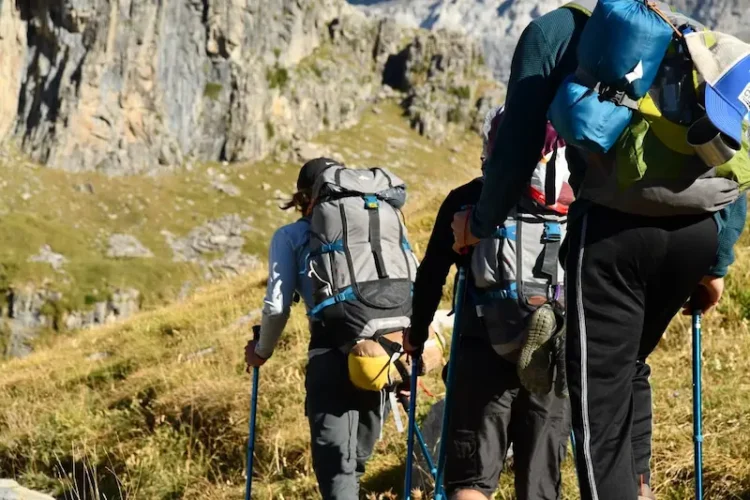
Trekking involves walking through natural environments on routes that can be longer, more varied, or more extended depending on their characteristics. It can take place in mountain regions, forests, valleys, and rural areas, and may require participants to remain on the route for considerably longer periods. As the distance and duration increase, factors such as food, water, navigation, weather, and additional equipment become increasingly important. The activity can therefore involve a greater degree of preparation when compared with shorter outdoor walks.
Not every trekking route is necessarily difficult or requires several days to complete. There are routes with different levels of duration and physical demand, so the actual experience depends on the specific itinerary. However, longer treks generally require more detailed preparation because participants may need to manage their resources for longer periods and deal with different types of terrain or changing conditions along the way. Understanding the route in advance helps determine what the journey will involve and what should be prepared before departure.
What Do You Do When Trekking?
During a trek, participants walk through natural environments while covering routes that may involve greater distances, elevation changes, and different types of terrain. In addition to walking, it can be necessary to manage the pace, organize rest periods, monitor available water and food, and use navigation tools throughout the journey. These aspects become particularly important when the route takes several hours or extends across different stages. The activity therefore combines physical effort with the need to manage the resources required to complete the journey.
Activities that may form part of a trekking experience include:
- Covering longer distances in natural environments.
- Crossing different types of terrain.
- Going uphill and downhill depending on the route.
- Organizing breaks for rest and meals.
- Using navigation tools.
- Preparing equipment according to the length of the trek.
For longer routes, planning is especially important. It is necessary to understand the itinerary, estimate the time required, and anticipate the resources needed along the way. In trekking experiences in Peru, for example, organizing the different stages makes it possible to handle routes that combine distance, elevation gain, and different types of terrain. Inca Trail Tours is an example of this type of experience involving trekking routes.
What Are Trekking Routes Like?
Trekking routes can range from accessible day trips to longer journeys that require more extensive preparation. Their characteristics depend on factors such as distance, elevation gain, terrain, weather, and the amount of time spent away from the starting point. A route through mountainous terrain may include steep climbs and descents, while another may cover a longer distance through forests, valleys, or rural landscapes with more gradual elevation changes. These differences mean that each route should be evaluated individually before it is undertaken.
As the duration of a trek increases, managing available resources becomes more important. Water and food need to be planned according to the length of the route and expected conditions, while navigation becomes particularly relevant when trails are not clearly marked or several paths intersect. Understanding the route before departure helps determine what equipment is necessary and prepares participants for the conditions they may encounter. This is especially important when the route takes place in areas where access to supplies or assistance may be limited.
What Is the Difference Between Hiking and Trekking?
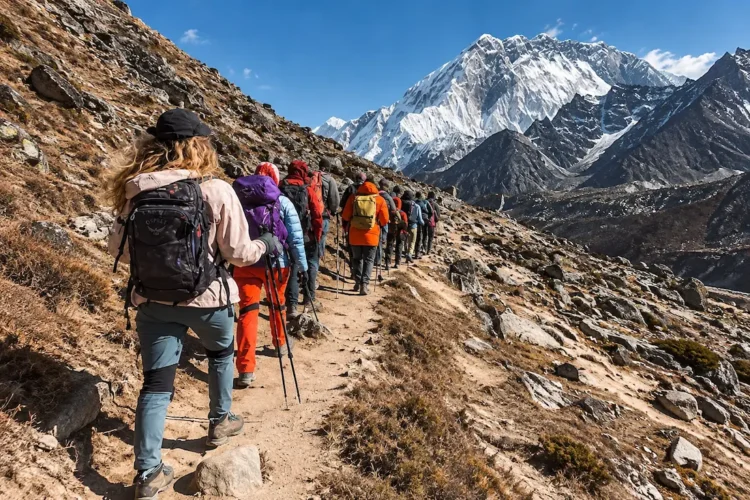
Hiking and trekking share the same basic idea of traveling through natural environments on foot, but they can differ in duration, distance, terrain, and preparation. Hiking is generally associated with walks along established trails that can often be completed within a few hours or a single day, while trekking can involve longer and more varied journeys. The distinction is useful because the type of route determines not only how long the activity will take, but also how much planning and equipment may be required.
The difference is not determined simply by the number of miles covered or by whether a route is considered easy or difficult. Elevation gain, terrain, weather, duration, and the resources required also influence the experience. This means that a demanding hiking trail can require considerable physical effort, while a shorter trek may be less strenuous but still require more planning because of the type of route and the time involved. Looking at all these factors provides a more accurate way to understand the difference between the two activities.
| Aspect | Hiking | Trekking |
|---|---|---|
| Activity | Walking along natural trails and routes | Longer or more varied walking journeys |
| Duration | Generally a few hours or a single day | Can last a full day or longer |
| Distance | Varies depending on the route | May involve longer distances |
| Terrain | Trails and natural paths | More varied terrain depending on the route |
| Difficulty | From easy routes to challenging trails | Depends on distance, terrain, and duration |
| Preparation | Basic to moderate depending on the route | May require more extensive planning |
| Equipment | Appropriate footwear, clothing, water, and a backpack | May require additional equipment |
In general, hiking can be a practical option for people who want to take a moderate-length walk and become familiar with outdoor activities. Trekking may be more suitable for those looking for longer or more varied routes. However, the actual difficulty should always be assessed according to the specific characteristics of the trail or route.
What Do You Need for Hiking and Trekking?
The equipment required for hiking or trekking depends on the duration, distance, terrain, weather, and characteristics of the route. A short hike on an established trail may only require suitable footwear, comfortable clothing, water, and a small backpack, while a longer trek can require additional food, navigation tools, extra clothing, and other equipment. Preparing according to the route is more useful than following a fixed list of items for every outdoor activity, because different conditions can create very different needs.
Weather conditions should also be considered before leaving. Rain, cold temperatures, strong sun exposure, or uneven terrain can significantly change the requirements of a route and influence the clothing or equipment that should be carried. Checking the forecast and understanding the terrain makes it easier to prepare appropriately. Experience should also be considered, especially when the route involves considerable distance, elevation gain, or limited access to water and other supplies.
Basic Hiking Equipment
For a short or familiar hiking route, the equipment can remain relatively simple while still providing the essentials needed for the journey. Footwear should provide adequate comfort and stability for the terrain, while clothing should be appropriate for the expected weather and allow freedom of movement. Water, sun protection, and a backpack for carrying essential items are also important, even on relatively short trails. The objective is to have what is necessary without carrying unnecessary weight.
Common items include:
- Appropriate footwear for the terrain.
- Comfortable clothing suitable for the weather.
- A backpack appropriate for the duration of the hike.
- Enough water for the route.
- Sun protection.
- A phone and basic navigation resources.
Trekking Equipment
Longer trekking routes may require a more complete approach to equipment because participants need to remain prepared for a greater variety of conditions. In addition to the basics, it may be necessary to carry more water and food, extra clothing, navigation equipment, and other items suited to the terrain. The longer the route, the more important it becomes to balance having everything necessary with keeping the backpack at a manageable weight.
Equipment should therefore be selected according to the specific route rather than simply according to whether an activity is called hiking or trekking. A several-hour trek in favorable conditions will have different requirements from a longer journey through mountainous terrain or changing weather. Reviewing the itinerary, forecast, distance, elevation, and available resources beforehand helps determine what should actually be carried and prevents unnecessary items from adding weight.
Water, Food, and Navigation
Water is one of the most important resources to plan carefully, particularly on routes where there are no reliable sources along the way. The amount required can vary depending on the duration, weather, physical effort, and availability of water along the route. On longer journeys, food should also be easy to transport and consume, allowing participants to maintain their energy throughout the different stages of the route. These needs should be calculated before departure rather than left to chance.
Navigation becomes increasingly important when a route includes several turns, limited trail markers, or large areas with few recognizable landmarks. A map, navigation app, or GPS can help participants follow the planned itinerary and confirm their location along the way. These tools do not replace preparation, but they can provide additional support when conditions change or the route becomes more difficult to follow. Knowing how to use them before starting the journey is equally important.
You might be interested in reading: 12 Peru traditional desserts you should try in Peru
How Do You Choose Between Hiking and Trekking?
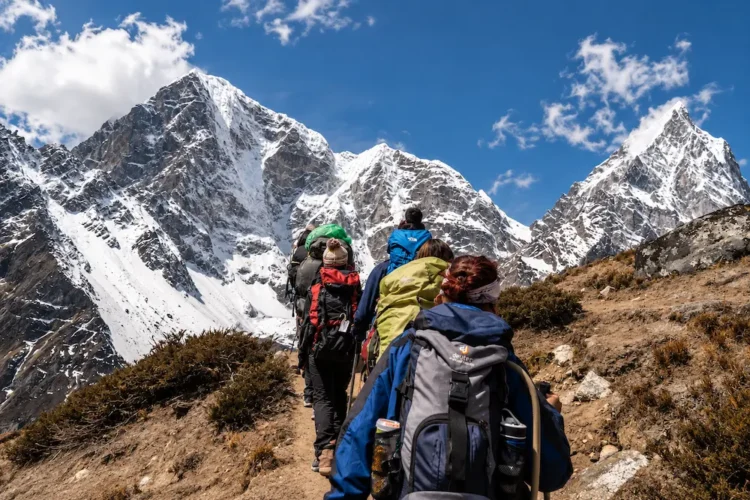
Choosing between hiking and trekking depends mainly on the type of experience you want and the characteristics of the route you are considering. Available time, distance, physical condition, previous experience, and preparation level are all relevant factors when making the decision. Instead of asking which activity is better, it is more useful to consider which type of route matches your abilities, schedule, expectations, and willingness to prepare for the conditions you may encounter during the journey.
For beginners, a relatively simple hiking route can provide an opportunity to become familiar with walking on natural terrain, managing pace, and using basic equipment before attempting longer journeys. If the goal is to organize a trekking experience or visit different natural destinations in Peru, working with a Peru tour operator can also help with the planning and organization of specific routes and activities. This can be particularly useful when the itinerary involves several stages or requires knowledge of local conditions.
When to Choose a Hiking Route
Hiking can be a good option when you want to complete a walk within a few hours or a single day without organizing a particularly long journey. It can also be a practical way to gradually become more comfortable with outdoor activities, provided that the chosen route matches your physical condition and experience. Since hiking trails vary considerably, it is possible to start with easier routes and increase the difficulty as you gain experience and become more familiar with the demands of walking on natural terrain.
Before choosing a trail, check its distance, elevation gain, estimated duration, and terrain conditions rather than relying only on photographs or general descriptions. A route that appears short may still include steep slopes or uneven surfaces that require considerable effort. Selecting a trail according to your current abilities makes it easier to enjoy the experience while avoiding a level of difficulty that you are not yet prepared to handle. This approach also allows you to build experience gradually before attempting more demanding routes.
When to Choose a Trekking Route
A trekking route may be a better option when you want to cover longer distances, cross different types of terrain, or spend more time exploring a natural environment. In these situations, planning becomes more important because water, food, rest periods, navigation, and additional equipment may need to be managed throughout the journey. The route itself should be evaluated as a complete experience rather than simply by the number of miles it covers, since terrain and duration can significantly affect the demands of the activity.
Previous experience should also influence the decision. A route should not be selected solely because of its scenery if its physical demands or conditions exceed your current level of preparation. A gradual approach is generally more appropriate, starting with manageable routes and increasing the distance, duration, or difficulty as you become more comfortable with the activity. This makes it possible to build endurance and experience while choosing routes that remain appropriate for your current abilities.
Hiking and Trekking: Two Ways to Enjoy Nature
Hiking and trekking both provide opportunities to explore natural environments on foot, but they can offer different types of experiences depending on the route. Hiking is generally associated with trails that can be completed within a few hours or a single day, while trekking can involve longer, more varied, or extended journeys. In both cases, the actual level of difficulty depends on factors such as distance, elevation gain, terrain, weather, and the conditions of the route rather than simply the name given to the activity.
Choosing between hiking and trekking means looking beyond the name of the activity and examining what the specific route requires. Having appropriate equipment, understanding the itinerary, checking the weather, and considering your own experience can make the journey more comfortable and manageable. Rather than choosing one activity simply because it is considered easier or harder, the best option is the route that matches your available time, experience, physical condition, and goals while allowing you to enjoy the natural environment at an appropriate pace.


