
Peru is known worldwide for Machu Picchu, the Andes and its award-winning cuisine, but many travelers are surprised to discover another incredible attraction: its extraordinary variety of fruits. Thanks to the country’s diverse geography, from the Pacific coast to the Andes and the Amazon rainforest, Peru is home to hundreds of native and tropical fruits that are difficult to find anywhere else.
If you’re searching for a peruvian fruits list, you’re probably planning a trip, exploring Peruvian gastronomy or simply curious about the exotic fruits that grow in one of the world’s most biodiverse countries. The good news is that Peru offers much more than familiar fruits like mangoes or avocados. You’ll also find unique flavors such as lúcuma, camu camu, aguaymanto and chirimoya, many of which have been enjoyed since Inca times.
This peruvian fruits list is designed to help you identify the most popular fruits you’ll encounter while traveling through Peru. Instead of simply naming them, you’ll learn what they taste like, where they grow and why they’re worth trying during your visit.
Whether you’re exploring the colorful markets of Cusco, walking through Lima’s food districts or venturing into the Amazon, this peruvian fruits list will help you discover the flavors that make Peru one of the world’s top culinary destinations.
You might be interested in: What to wear in Machu Picchu?

Complete peruvian fruits list
1. Lúcuma
Lúcuma is one of Peru’s most iconic native fruits and deserves the first place on any peruvian fruits list. It has a dry, creamy texture and a naturally sweet flavor often compared to maple syrup, sweet potato and caramel.
Unlike many tropical fruits, lúcuma is rarely eaten fresh because of its texture. Instead, Peruvians use it in ice cream, cakes, smoothies and traditional desserts. If you visit Peru, trying lúcuma ice cream is almost mandatory.
Where to find it: Coastal valleys and the Andean region.

2. Chirimoya (Cherimoya)
Known by Mark Twain as “the most delicious fruit known to men,” chirimoya is famous for its creamy white flesh and tropical sweetness.
Its flavor combines notes of banana, pineapple, vanilla and strawberry, making it one of the highlights of any peruvian fruits list.
The fruit contains large black seeds that should not be eaten, but the flesh is soft, refreshing and incredibly aromatic.
Where to find it: Andes valleys, especially around Lima and Cusco.
3. Camu Camu
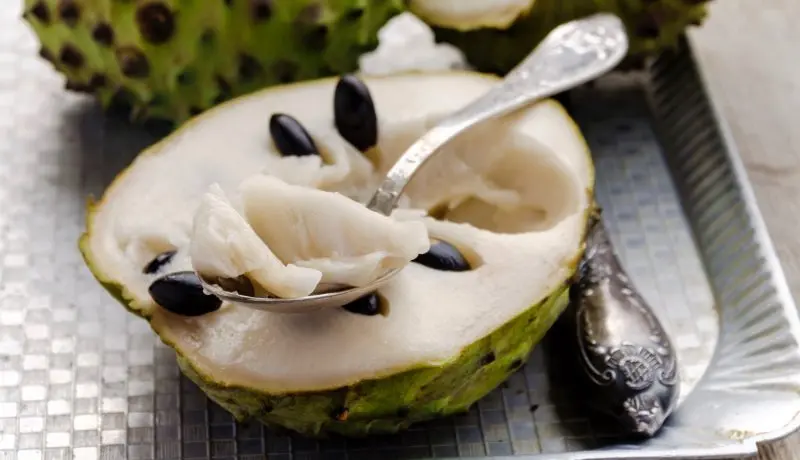
Camu camu is a small Amazonian fruit that has gained international popularity because of its exceptionally high vitamin C content.
Although extremely sour when eaten fresh, it is widely used in juices, smoothies and nutritional supplements.
Anyone interested in healthy eating will quickly discover camu camu while exploring a peruvian fruits list, as it is considered one of Peru’s nutritional superfruits.
Where to find it: Peruvian Amazon.
You might be interested in: Latest Seven Wonders of the World I The complete list
4. Aguaymanto (Goldenberry)
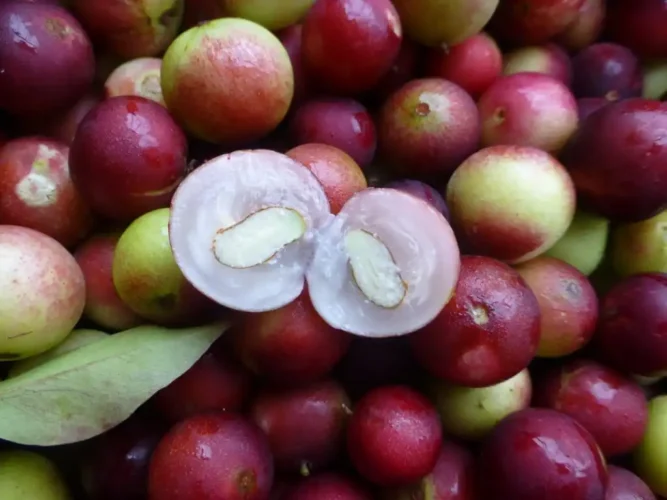
Aguaymanto is a bright orange fruit enclosed in a delicate paper-like husk. It offers a pleasant balance between sweetness and acidity.
Today it is widely used in desserts, chocolates, jams and gourmet dishes throughout Peru.
Travelers often enjoy aguaymanto as a healthy snack because it is easy to eat and naturally refreshing.
Where to find it: Highlands of Peru.

5. Granadilla
Granadilla belongs to the passion fruit family but has a much sweeter and milder flavor.
Inside the fruit are translucent pulp sacs filled with crunchy edible seeds. Many visitors are surprised by its unique texture, but it quickly becomes one of their favorite discoveries.
It is one of the easiest fruits to find in local markets and an essential inclusion in any peruvian fruits list.
Where to find it: Andean valleys.

6. Tuna (Prickly Pear)
Despite its unusual appearance covered with tiny spines, tuna is a refreshing cactus fruit with juicy flesh that can be green, yellow, orange or deep purple.
Its flavor is sweet and delicate, making it particularly enjoyable on warm days.
Local vendors usually peel the fruit for you, making it safe and convenient to eat.
Where to find it: Dry Andean regions.
You might be interested in: Everything about Saint Rose of Lima mass times 2026

7. Cocona
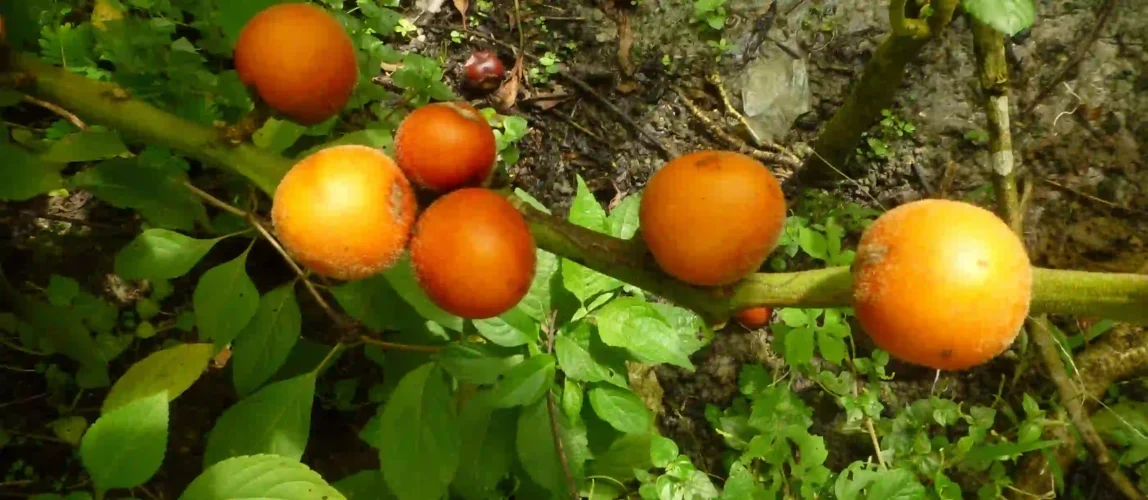
Cocona is an Amazonian fruit that resembles a small yellow tomato.
Its taste is pleasantly acidic, which makes it ideal for juices, sauces and salads rather than desserts.
Although less famous internationally, cocona is highly appreciated in the Peruvian jungle and is becoming increasingly popular among travelers looking for authentic local flavors.
Where to find it: Amazon rainforest.
8. Pepino Dulce
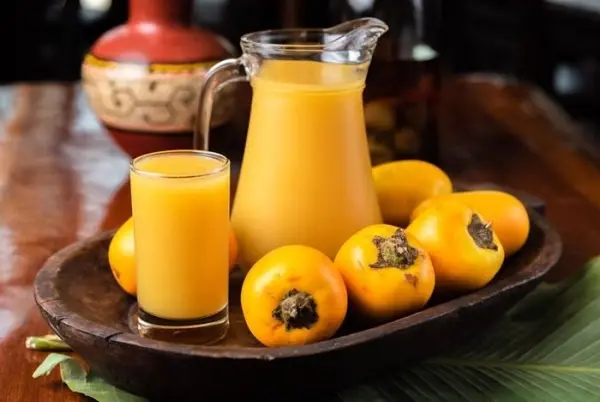
Pepino dulce literally means “sweet cucumber,” although its flavor is closer to melon than cucumber.
Its smooth yellow skin with purple stripes makes it easy to recognize, while its juicy flesh offers a light and refreshing sweetness.
Many tourists overlook this fruit because of its unusual name, but it deserves a place on every peruvian fruits list thanks to its pleasant flavor and versatility. It can be eaten fresh, added to fruit salads or served as a refreshing dessert after traditional Peruvian meals.
Where to find it: Coastal and Andean regions of Peru.
9. Pacay (Ice Cream Bean)
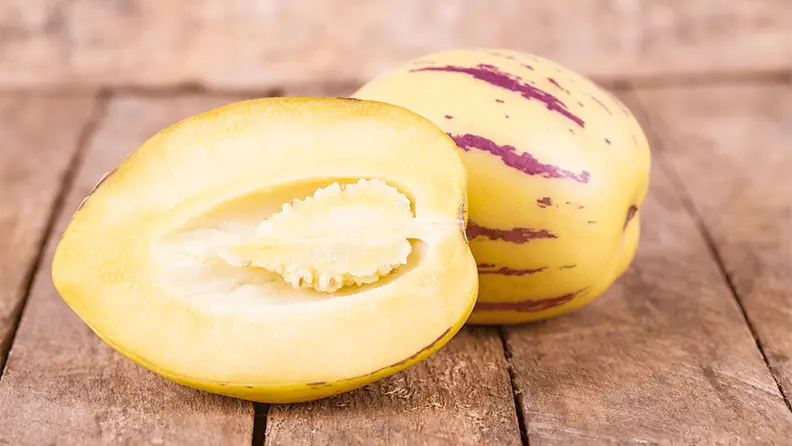
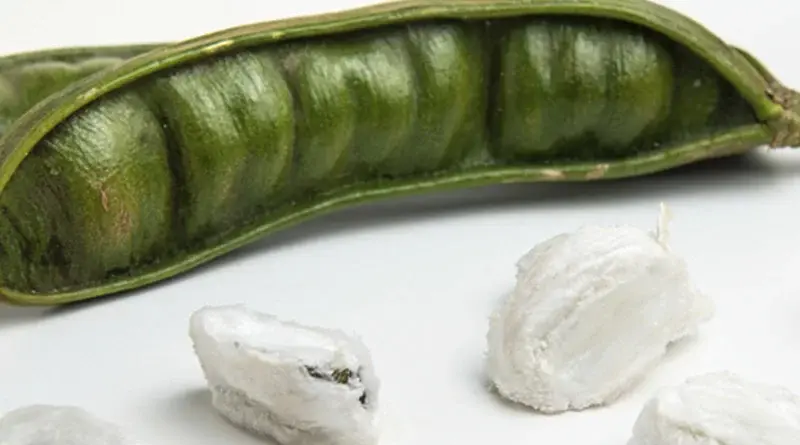
Pacay is one of the most curious fruits you’ll encounter while exploring a peruvian fruits list. It grows inside long green pods that can reach over 50 centimeters in length. When opened, they reveal large black seeds covered with a soft, white pulp.
The pulp has a light, fluffy texture that resembles cotton candy and a subtle sweetness similar to vanilla, which is why English speakers often call it the “ice cream bean.”
Where to find it: Andean valleys and parts of the Peruvian Amazon.
You might be interested in: What is Peru known for? 15 reasons travelers fall in love with Peru
10. Aguaje
Aguaje is considered one of the Amazon’s most valuable fruits. It grows on tall palm trees in flooded rainforest areas and is easily recognized by its reddish-brown scales.
Its yellow-orange flesh has a creamy texture and a rich, earthy flavor. Locals often prepare it as juice, ice cream or desserts.
It is also famous for its high content of vitamins A and E, making it one of the healthiest options included in any peruvian fruits list.
Where to find it: Loreto, Ucayali and other Amazon regions.

11. Sapote
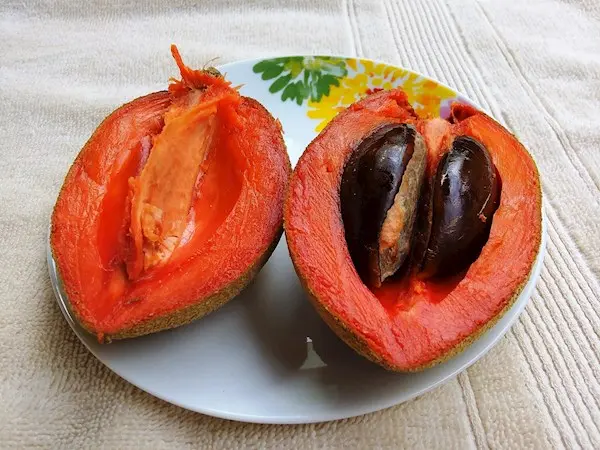
Sapote has a rough brown skin but hides a vibrant orange flesh with a naturally sweet flavor.
Many travelers compare its taste to pumpkin pie mixed with sweet potato and caramel. It is frequently used in smoothies and homemade desserts.
Although less known internationally, sapote deserves its place in every peruvian fruits list because of its distinctive flavor.
Where to find it: Northern coast and Amazon.
12. Pacae de Monte
Different from the traditional pacay, this wild variety grows naturally in the rainforest.
Its sweet pulp is thinner but more aromatic, making it popular among Amazon communities.
Visitors interested in authentic jungle experiences often discover this fruit while taking eco-tours through the Peruvian rainforest.
Make the Amazon part of your Peru trip
Curious about the rainforest behind some of these fruits? Compare our Manu tours and find an itinerary that fits your travel plans.
View Manu toursYou might be interested in: Rainbow Mountain in Cusco Peru I Everything you need to know

13. Cocona Cherry
A smaller variation of cocona, this fruit is appreciated for its refreshing acidity.
It is commonly blended into fresh juices during hot Amazon afternoons and is also used to prepare homemade sauces served with local fish dishes.
It adds even more diversity to a complete peruvian fruits list.
14. Maracuyá (Passion Fruit)
Although passion fruit grows throughout many tropical countries, Peru produces excellent varieties with an intense aroma and balanced acidity.
Its fragrant pulp is widely used in juices, cocktails, cheesecakes and desserts across the country.
Almost every traveler visiting Peru ends up tasting maracuyá at least once.

15. Guanábana (Soursop)
Guanábana is a large tropical fruit with green spiky skin and creamy white flesh.
Its flavor combines pineapple, strawberry and citrus notes, making it one of the most refreshing fruits found on a peruvian fruits list.
It is especially popular in fresh juices.
Where to find it: Amazon and northern Peru.

16. Mango Peruano
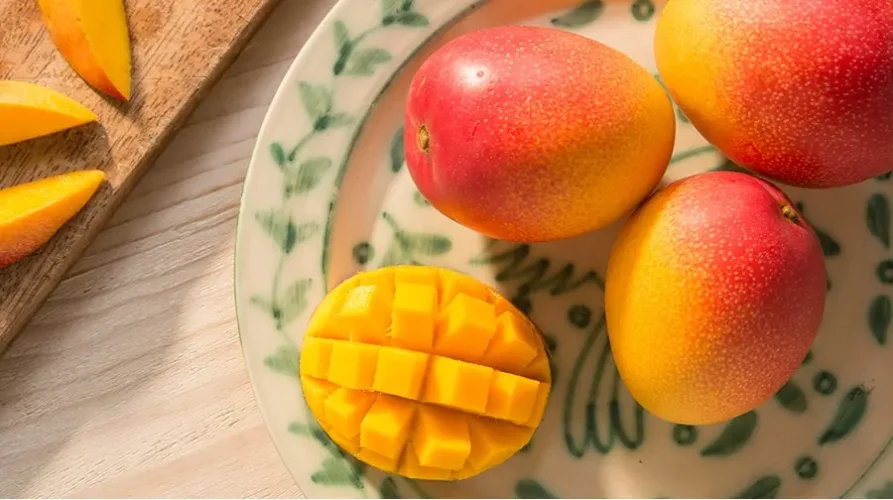
Peruvian mangoes are famous for their exceptional sweetness and almost fiber-free flesh.
Northern Peru exports thousands of tons every year, especially during the summer harvest.
Fresh mangoes are widely available in local markets, making them an easy addition to your culinary adventure.
You might be interested in: What mountains are in Peru? 15 mountains you should know
17. Plátano de la Selva
Amazon bananas are smaller than commercial varieties but significantly sweeter.
Some types are eaten fresh, while others are cooked, fried or roasted as part of traditional Amazonian cuisine.
Trying different banana varieties gives travelers another reason to explore beyond the classic peruvian fruits list they may already know.

18. Naranjilla
Known locally as naranjilla or lulo in neighboring countries, this fruit has bright green flesh with a refreshing citrus flavor.
Its juice is incredibly popular throughout the Amazon because it is both sweet and slightly tangy.
Although it is rarely exported due to its delicate skin, visitors can easily find it in local markets.

Which Peruvian Fruits Are Unique to Peru?
One of the most common questions travelers ask after reading a peruvian fruits list is whether these fruits can only be found in Peru.
While some fruits also grow in neighboring countries, Peru stands out because of its extraordinary biodiversity and the sheer variety available in a single destination. Few places in the world allow visitors to experience tropical rainforest fruits, high-altitude Andean fruits and coastal varieties within the same trip.
Among the fruits that many travelers associate most strongly with Peru are:
- Lúcuma, often considered Peru’s signature fruit and a favorite ingredient in desserts.
- Camu camu, an Amazonian superfruit famous for its exceptionally high vitamin C content.
- Aguaymanto, a colorful fruit widely cultivated in the Andes and increasingly appreciated worldwide.
- Aguaje, one of the Amazon’s nutritional treasures.
- Pacay, whose soft vanilla-flavored pulp surprises first-time visitors.
For anyone interested in local gastronomy, exploring a complete peruvian fruits list is much more than trying exotic flavors. It is an opportunity to understand Peru’s incredible ecological diversity and discover ingredients that have been part of local traditions for centuries. Whether you are visiting bustling markets in Lima, the Sacred Valley near Cusco or remote Amazonian communities, these fruits offer a delicious introduction to the country’s natural richness.
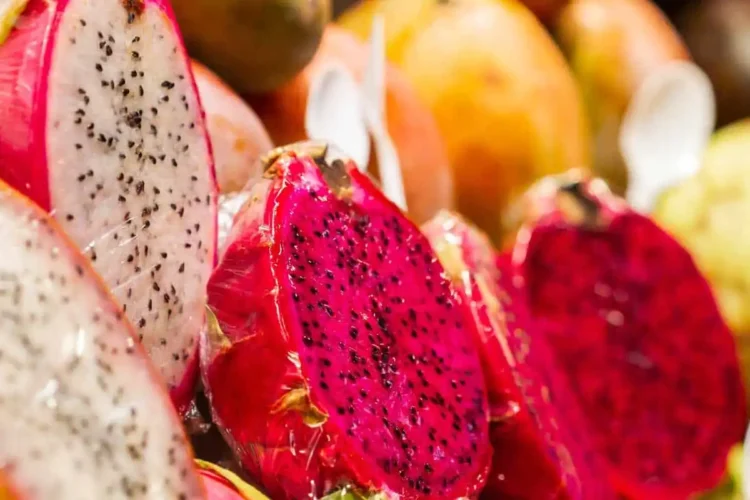
Best peruvian fruits for tourists
If you only have a few days in Peru, you may not have enough time to try every fruit included in this peruvian fruits list. Fortunately, there are a few that consistently stand out among international travelers because of their unique flavors and cultural significance.
Here are five fruits you shouldn’t miss:
1. Lúcuma
This is perhaps Peru’s most iconic fruit. Even if you don’t eat it fresh, don’t leave the country without trying lúcuma ice cream, cheesecake or milkshakes.
2. Chirimoya
Its creamy texture and naturally sweet flavor make it one of the easiest fruits for first-time visitors to enjoy.
3. Aguaymanto
Perfect as a snack or dessert ingredient, aguaymanto offers a pleasant balance between sweetness and acidity.
4. Camu Camu
Although it is very sour on its own, tasting camu camu juice is an excellent way to experience one of the Amazon’s most famous superfruits.
5. Granadilla
Simple to eat and incredibly refreshing, granadilla is often one of the favorite discoveries for travelers exploring this peruvian fruits list.
You might be interested in: Everything you must know about Peru Independence day history
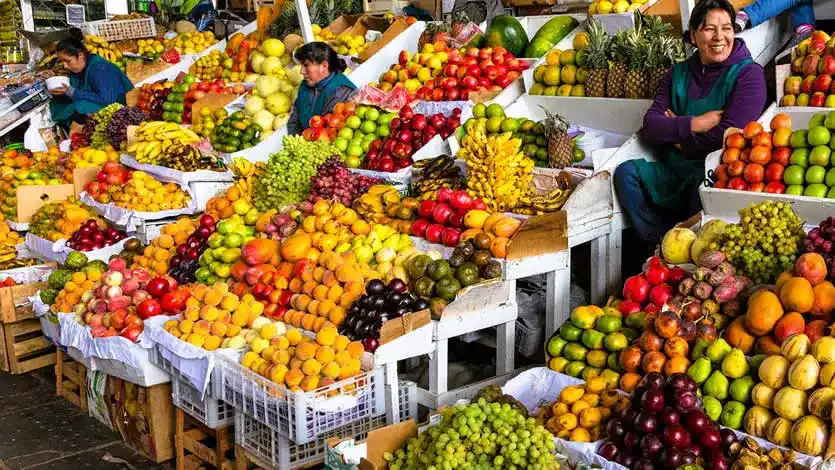
Where can you try these fruits in Peru?
One advantage of traveling through Peru is that fresh fruit is widely available almost everywhere. Depending on the region you visit, you’ll find different varieties and seasonal specialties.
Some of the best places to explore the complete peruvian fruits list include:
Local Markets
Markets such as San Pedro Market in Cusco or Surquillo Market in Lima offer dozens of fresh fruits at affordable prices. Vendors are usually happy to explain how to eat unfamiliar varieties.
Fruit Juice Stalls
Throughout Peru you’ll find small juice bars where you can mix several local fruits into one fresh smoothie. This is an excellent way to taste multiple fruits in a single visit.
Amazon Destinations
Cities such as Iquitos, Puerto Maldonado and Tarapoto offer access to fruits that are difficult to find elsewhere in the country, including aguaje, cocona and camu camu.
Restaurants and Cafés
Many Peruvian restaurants incorporate native fruits into desserts, cocktails and gourmet dishes, allowing visitors to enjoy the flavors in creative ways.

Frequently asked questions about the peruvian fruits list
What is the most famous fruit in Peru?
Lúcuma is widely considered Peru’s signature fruit because of its cultural importance and its frequent use in desserts.
Which Peruvian fruit is the healthiest?
Camu camu is one of the healthiest fruits on this peruvian fruits list thanks to its exceptionally high vitamin C content.
What fruit can only be found in Peru?
While several fruits grow in neighboring countries, lúcuma, aguaje and certain Amazonian varieties are strongly associated with Peru and are much easier to find there.
When is the best time to try Peruvian fruits?
Peru has different climates throughout the year, so fresh fruit is always available. The exact selection depends on the season and the region you visit.
Where can tourists buy fresh Peruvian fruits?
Traditional markets, supermarkets, fruit stalls and local fairs are excellent places to discover the wide variety included in any complete peruvian fruits list.
Conclusion
Exploring a complete peruvian fruits list is one of the most enjoyable ways to discover Peru beyond its famous archaeological sites and breathtaking landscapes. Every fruit tells part of the country’s story, reflecting the incredible biodiversity that stretches from the Pacific coast to the Andes and deep into the Amazon rainforest.
Whether you’re trying creamy lúcuma, refreshing granadilla, nutritious camu camu or exotic aguaje, each bite offers a unique culinary experience that many travelers remember long after returning home.
If you’re planning a trip to Peru, don’t limit yourself to the country’s iconic landmarks. Visit local markets, talk to vendors and taste as many native fruits as possible. You’ll quickly discover that the incredible diversity showcased in this peruvian fruits list is another reason why Peru continues to be one of the world’s most fascinating travel destinations.


