
Once you start planning a trip to Peru, your wish list tends to grow quickly: Machu Picchu, the Andes, Lima’s food scene, the Amazon… Then you look at the calendar and wonder how to fit it all into seven days. A week gives you enough time for a rewarding first visit, as long as you choose a manageable route and allow for the time it takes to get from place to place.
This itinerary for Peru in a week brings together Lima, Cusco, the Sacred Valley, and Machu Picchu. It suits travelers arriving from the United States, the United Kingdom, or Canada who want a mix of history, food, and scenery, with time to rest along the way. The seven days begin when you arrive in Peru; depending on your international flights, you may need a few extra days away from home.
You might be interested in reading: Wiñay Wayna: History and architecture on the Inca Trail
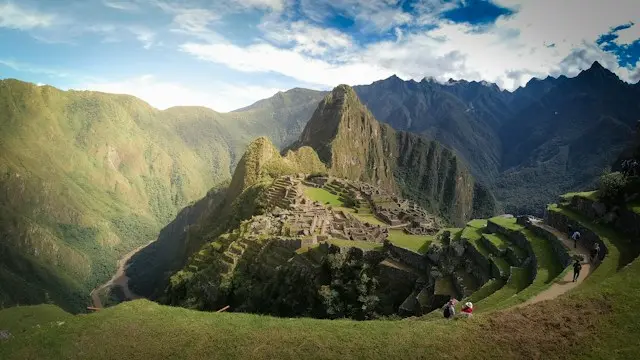
Can you visit Peru in a week?
What you can fit into seven days without spending the whole trip in transit
Yes, you can visit several of Peru’s best known destinations in seven days. For a first trip, focusing on Lima and the Cusco region lets you experience different sides of the country along a fairly straightforward route.
For example, you could spend a full day in Lima, fly to Cusco, and continue to the Sacred Valley and Machu Picchu. Adding Arequipa, Lake Titicaca, or the Amazon would mean more connections and less time in each place. Those destinations can work in a different itinerary, so choose your route around what interests you most.
Do the seven days include international flights?
This guide covers seven days in Peru, from arrival to departure. If you land late in the evening, your first day will mainly be about checking in and getting some rest.
Check your full flight itinerary, including layovers and arrival dates. A seven-day vacation counted from the moment you leave home, for example, might give you only five usable days at your destination. In that case, you would need to shorten the itinerary or focus on Cusco and Machu Picchu.
You might be interested in reading: Peru Itinerary | The perfect 10 Day Trip for first-time visitors
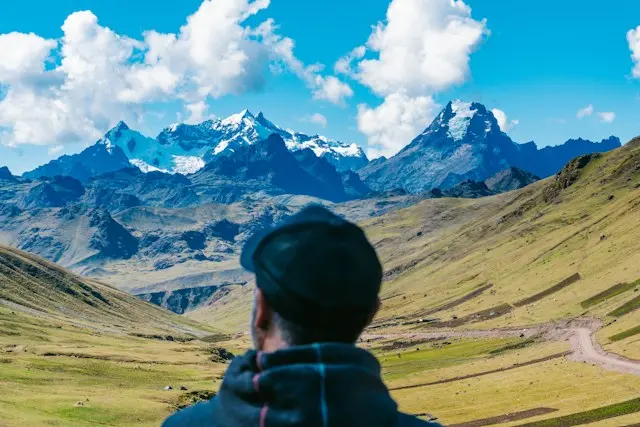
What to know before planning a 7 day trip to Peru
Arriving in Peru from the United States, the United Kingdom, and Canada
This itinerary starts in Lima. Flight options depend on your departure city and travel dates, so compare the total journey time as well as the price.
For a short tourist visit, holders of U.S., Canadian, and British citizen passports generally do not need a visa. Entry requirements depend on the passport you travel with, rather than simply where you live. U.S. and UK travel guidance specifies at least six months of passport validity from your arrival date; check the official requirements that apply to you before booking.
Planning your flights between Lima and Cusco
Flying is the practical choice between Lima and Cusco for this itinerary. Compare the final fare with the baggage allowance you need: a low advertised price can rise once you add a checked bag.
Although the flight itself is short, allow part of the day for getting to the airport, going through security, and reaching your accommodation. If you book flights separately, check what would happen to your onward booking if the first flight were delayed.
Why you should allow time to adjust to the altitude
Cusco sits at roughly 3,400 meters, or 11,150 feet, above sea level. Arriving from near sea level can affect even people who exercise regularly. That is why your first day should be gentle, without a strenuous hike on the schedule. Everyone responds differently to altitude, and one quiet day does not guarantee that you will be fully acclimatized.
For example, you could have lunch near your hotel and take a short walk if you feel well. Speak with a healthcare professional before traveling if you need advice specific to your health, and seek medical guidance if you feel unwell during your stay.
You might be interested in reading: What Is the Difference Between Hiking and Trekking?
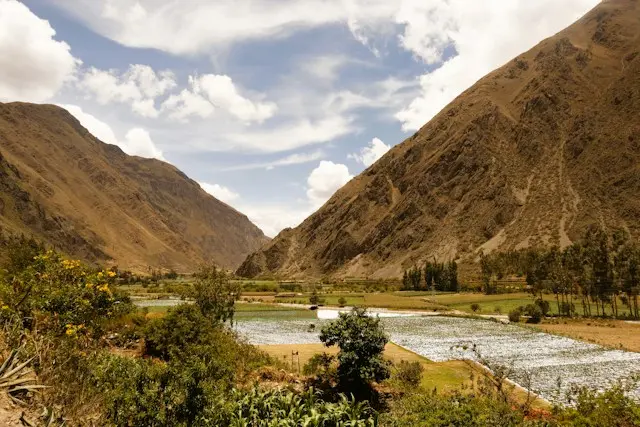
Peru in a week itinerary: Lima, Cusco, and Machu Picchu
| Day | Main plan | Overnight stay |
| 1 | Arrive in Lima | Lima |
| 2 | Visit Lima | Lima |
| 3 | Fly to Cusco and rest | Cusco |
| 4 | Visit the Sacred Valley and take the train to Aguas Calientes | Aguas Calientes |
| 5 | Visit Machu Picchu and return to Cusco | Cusco |
| 6 | Enjoy a flexible day in Cusco | Cusco |
| 7 | Fly to Lima and take your international flight | Depends on your flight schedule |
Day 1: arrive in Lima and rest after your flight
Your first day will depend on when you land. After a long flight, it helps to have your transfer to the hotel arranged and somewhere nearby in mind for a simple meal.
If you arrive early, you could take a short walk around the neighborhood. If you land at night, avoid booking an activity that leaves you rushing to get there. A good rest on arrival can help you start the trip with more energy.
Day 2: a day in Lima for neighborhoods, history, and food
Choose a few places you would particularly like to see. One option is to visit the historic center in the morning and spend the afternoon in Miraflores or Barranco. Allow for traffic when planning your journeys, and check opening times and any entry requirements for the places on your list.
Make time for the food, too. You could set aside lunch to try Peruvian dishes, then end the afternoon with a walk along the oceanfront. If food is a major reason for your trip, a culinary experience could take the place of some sightseeing.
Day 3: fly to Cusco and take the afternoon slowly
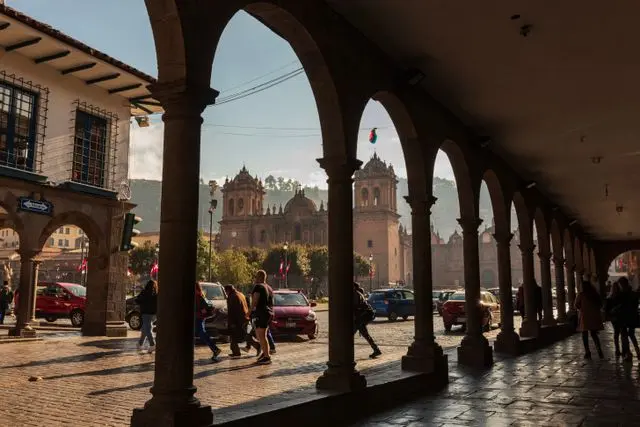
Fly to Cusco and keep the rest of the day flexible. Once you have checked in, you might visit the Plaza de Armas or walk through a few streets in the historic center, depending on how you feel.
Avoid filling the afternoon with churches, museums, and viewpoints. A relaxed meal and a short walk are part of the experience, too. If you are concerned about sleeping at Cusco’s altitude straight away, ask about staying in a lower-altitude part of the Sacred Valley and adjusting the itinerary accordingly.
Day 4: visit the Sacred Valley and travel to Aguas Calientes
The Sacred Valley gives you a chance to visit towns, markets, and archaeological sites before continuing to Machu Picchu. Choose your stops around your train departure: trying to fit in too many places can leave you rushing through the day.
For example, you could visit Pisac and Ollantaytambo, or choose other stops in the valley that work better with your departure time. Confirm where your excursion finishes and how long you will need to reach the station. Then take the train to Aguas Calientes and get your documents and day bag ready for the following morning.
Day 5: visit Machu Picchu and return to Cusco
Plan the morning around the entry time and route printed on your ticket. Your journey from Aguas Calientes, any waiting time at the entrance, and your visit all need to fit that schedule.
After your visit, leave enough time to return to town and catch your train. From the arrival station, continue by road to Cusco. This can be a long day, so dinner near your hotel will probably feel more appealing than another activity that evening.
Day 6: enjoy Cusco at your own pace
Use this day for places you have not yet visited: a museum, San Pedro Market, craft workshops, or a walk through the historic center. You could also choose an excursion if you feel well and its demands suit your fitness and preparation.
Keeping the day flexible also gives you room to adjust if an earlier activity changes. If you return late from Machu Picchu, for example, you can ease into the next morning without a compulsory departure before dawn.
Day 7: return to Lima for your international flight
Fly to Lima with enough time before your international departure. Check whether you will need to collect your bags, check them in again, and go through additional airport procedures.
If the flights are on separate bookings, allow a longer connection and review each airline’s terms. If the schedule does not leave a reasonable connection, return to Lima on day 6 and stay overnight. Your itinerary needs to work around your flights, especially at the end of the trip.
You might be interested in reading: Trekking in The Andes | A complete guide for first-time hikers
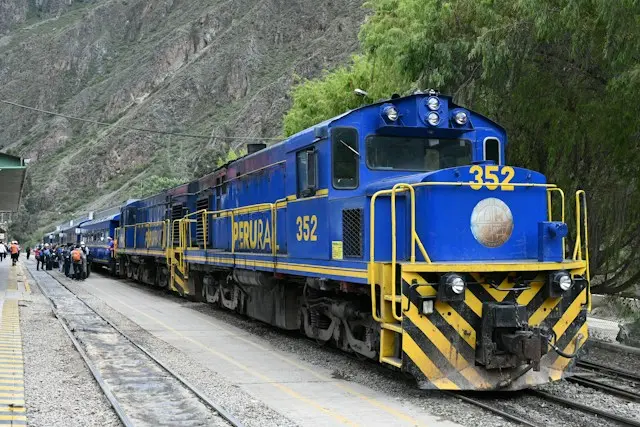
How to book Machu Picchu for a one-week trip
Tickets, circuits, and entry times: what to choose before booking
Before booking transport, check ticket availability for Machu Picchu. The official system divides visits into three circuits, each with different routes. They do not all cover the same areas or offer the same views, so review the map and conditions for the route you want.
For example, if a panoramic photograph is a priority, check that your chosen ticket includes the right viewing area. Official online tickets are sold through the Ministry of Culture’s Tu Boleto platform.
Coordinating your train, accommodation, and visit
Admission to the archaeological site, train travel, accommodation, and the shuttle bus are separate services. Booking one does not automatically include the others.
A practical approach is to confirm your entry ticket first, then arrange your transport and overnight stay in Aguas Calientes. Staying there before an early visit, for example, means you will not have to rely on a train arriving that same morning. Always check exactly what each booking includes.
What to change if tickets are unavailable
You may be able to swap your Cusco and Sacred Valley days or move your Machu Picchu visit to another day that week. Remember to check how the change affects transport and accommodation as well.
If only a different route is available, make sure it still offers the experience you want. Buying a ticket without understanding the route can lead to disappointment. On a short trip, avoid building your plans around finding a ticket at the last minute.
You might be interested in reading: Sustainable tourism in Peru | What it means and how to travel responsibly
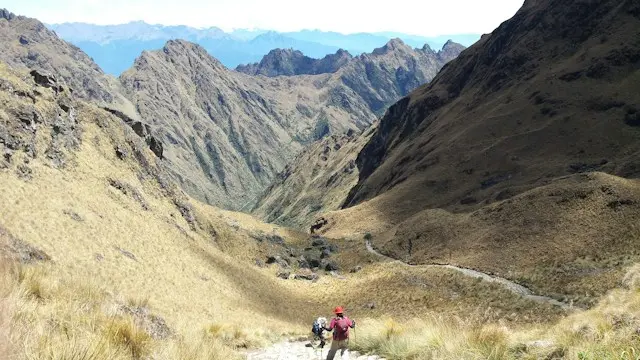
Can you fit a trek into a week in Peru?
Adapting the itinerary for the two-day Inca Trail
The two-day Inca Trail can fit into the trip by replacing part of the standard itinerary. One option is to visit the Sacred Valley on day 4, hike on day 5, and visit Machu Picchu on day 6, provided permits are available and the travel arrangements work together.
This leaves less free time in Cusco. You also need to check your return arrangements before the flight on day 7. Even a shorter trek requires preparation, advance availability, and time to adjust to the altitude.
What you would need to change for a longer trek
A trek lasting four or five days takes up most of a week. To include one, you would need to cut back on Lima and other visits while keeping enough time before and after the hike. This applies to options such as the four-day Inca Trail.
For example, the five-day Salkantay Trek leaves little room for flights, preparation, and rest during a seven-day stay in Peru. If hiking is the main purpose of your trip, extending your stay can give you more time to enjoy the route without feeling rushed.
You might be interested in reading: 15 drinks from Peru you should try on your next trip

How much does a week in Peru cost?
A sample budget for accommodation, meals, and transport
Your budget will depend on the season, how far ahead you book, and the type of accommodation you choose. For an initial planning exercise, you can use these ranges per person, then replace them with actual quotes:
| Expense | Estimated cost per person |
| Six nights, sharing a double or twin room | US$180–450 |
| Meals for seven days | US$140–280 |
| Round-trip flights between Lima and Cusco | US$120–300 |
| Transfers and local transport | US$60–150 |
| Additional sightseeing and Sacred Valley visits | US$70–180 |
| Machu Picchu: admission, train, bus, and guide | US$220–400 |
Together, these estimates come to around US$790–1,760 per person, excluding international flights, insurance, and shopping. They are starting points for planning your savings, rather than verified prices for specific travel dates. If you travel alone, accommodation may cost more.
Machu Picchu expenses to include in your budget
Break down the costs so you can compare them properly: admission, transport to the station, round-trip train tickets, the shuttle bus, and a guide, depending on your plans. Remember the overnight stay in Aguas Calientes, even if you have already included it in your accommodation budget.
For example, an advertised offer might show only a one-way train fare. Before paying, check the total cost of the visit and the terms for making changes.
Comparing an organized trip with booking everything separately
Compare like for like. Check the hotel category, transport, entrance tickets, meals, and whether visits are private or shared.
Booking separately gives you flexibility, but you will need to coordinate every connection. An organized itinerary can make that easier. The useful comparison is what you receive for the total price and which expenses you will still need to pay separately.
You might be interested in reading: Your 2027 Beginner’s Guide to Trekking the Salkantay Trail
When is the best time to visit Peru for a week?
How the dry and rainy seasons affect your trip
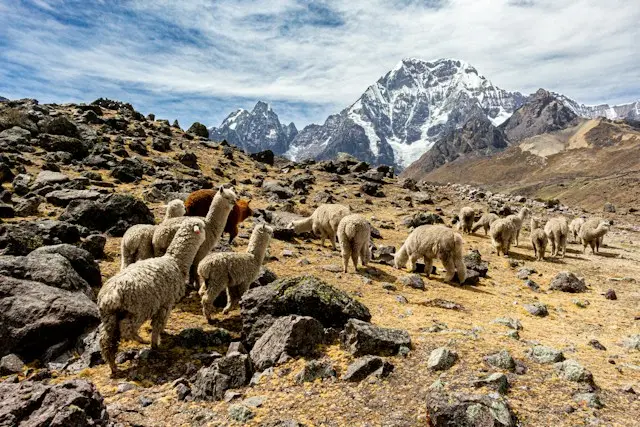
For this route, weather in the Andes matters most. Peru Travel describes a generally drier period from April to October and a rainy season from November to March. These are seasonal patterns rather than a guarantee of the weather during your stay.
Traveling in a drier month, for example, can make outdoor activities easier to plan, but you should still pack rain protection. If you visit during the wetter season, check trail conditions and keep your plans flexible.
What to consider during holidays and busy travel periods
If your vacation falls during a busy period, check availability for Machu Picchu and transport before finalizing the rest of your itinerary.
If your dates are flexible, compare a few nearby departure days. Moving your trip by several days, for example, may change flight prices or the accommodation available. Make your decision based on the whole trip rather than one attractive fare.
You might be interested in reading: 12 Peru traditional desserts you should try in Peru
What to pack for seven days in Lima and the Andes
Clothes for different climates without overpacking
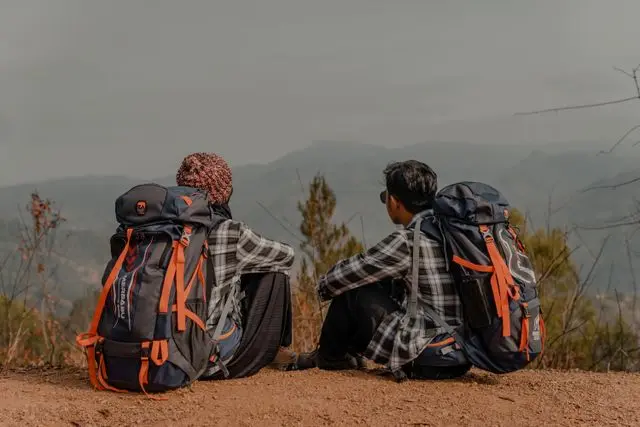
Pack items you can layer: T-shirts, a warm layer, a waterproof jacket, and comfortable shoes with good grip. Add sunscreen, a hat, and the personal essentials you normally use.
For example, a T-shirt, a light layer, and a jacket take up less room than separate outfits for every temperature. Choose shoes you have already worn for walking.
Luggage for trains, excursions, and domestic flights
Check the baggage rules for each form of transport before you leave. Train baggage allowances may differ from those on your international flight and can vary with the service you book.
For your night in Aguas Calientes, pack a small bag with the essentials and ask whether your Cusco hotel can store your main suitcase. Keep your passport, booking confirmations, and personal medication with you.
You might be interested in reading: What were the 12 famous inca artifacts of the Inca Empire?
Mistakes to avoid when planning Peru in a week
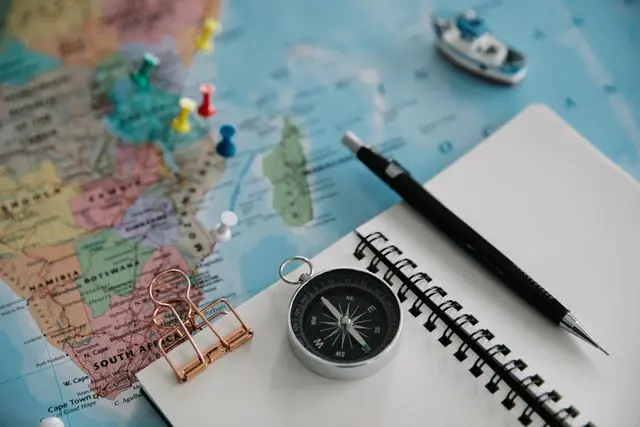
Adding too many destinations to a seven-day itinerary
Every extra destination means another journey, another check-in, and more time getting settled. Visiting fewer places can give you a fuller experience of each one.
For example, adding a quick Amazon visit to this route would mean cutting back on several other days. If the rainforest is your priority, plan a different combination from the outset.
Booking transport before confirming your Machu Picchu ticket
Ticket availability can shape the rest of your route. Confirm which date and route you can book, then coordinate the related services.
Do not assume that a suitable entry ticket will be available simply because you have found a hotel room or a train seat. They are booked independently.
Leaving too little time for your return connections
Travel time rarely consists of just the flight or train journey itself. You also need to allow for checks, waiting, and possible schedule changes.
Spending your final night in Lima can be a sensible choice when connections are tight. Giving up a few sightseeing hours in Cusco, for example, may make your journey home much less stressful.
You might be interested in reading: 18 peruvian fruits list you should try in Peru
Frequently asked questions about a 7 day trip to Peru
Should you travel independently or use a local tour operator?
It depends on how much you want to organize yourself and how comfortable you are coordinating bookings. Traveling independently lets you choose each service, while an operator can bring transfers, tickets, and visits together. Ask for a detailed itinerary when comparing options. For example, check who would handle a train change and what alternatives are available if an activity changes.
Can you enjoy this itinerary without trekking?
Yes. The main itinerary uses flights, road transport, and trains, and does not include a multi-day hike. Archaeological sites can still involve steps, slopes, and uneven ground, though. If you have limited mobility, for example, review each route before booking and adjust the visits to suit your needs.
What should you change if you have already visited Lima?
You could shorten your stay there and spend that time in the Sacred Valley, in Cusco, or on an activity that suits your fitness and preparation. Keep enough time for your flights. An extra night near Ollantaytambo, for example, could let you enjoy the area at a slower pace before taking the train, provided the schedules work together.
Peru in a week works best when you decide what matters most to you and plan the rest around it. If Machu Picchu is your priority, confirm your entry ticket first. If you want to hike, allow time for both preparation and the trail. A well-planned week can leave room for the major sights and for the quieter moments a meal, a market visit, or a conversation that you may remember just as clearly afterward.


